AGROFORESTRY
Agroforestry supports biodiversity and climate change resilience.
Growing Food Within a Living Ecosystem
Modern agriculture feeds the world, and yet is one of the most environmentally destructive forces on the planet. Deforestation, mono-cropping and the overuse of chemicals destroy biodiversity, leaving ecosystems ruined and precious topsoil lost for future generations.
At Tikkun, we understand that food production cannot sit outside ecological restoration. Instead we are exploring how it can become part of the restoration process itself. We are particularly interested in a question that will become a matter of survival under climate change:
How do we grow food while increasing the capacity of the land to survive weather instability, drought, heat and extreme rainfall?
We find that the answer is not one agricultural formula, but working with a combination of regenerative practices to grow and maintain biodiversity, improve soil structure and water retention, and increase overall resiliency of our interconnected living systems.
Growing food in a time of climate change requires us to be experimental and adaptive. We observe changing weather patterns, new insects and plant diseases. We see what succeeds, what fails, and what emerges as more resilient over time.
Instead of an extractive, short sighted model, agriculture can become long-term husbandry: taking food from a landscape while continually returning fertility, water, habitat and healthy biological complexity to it.
Our Methods
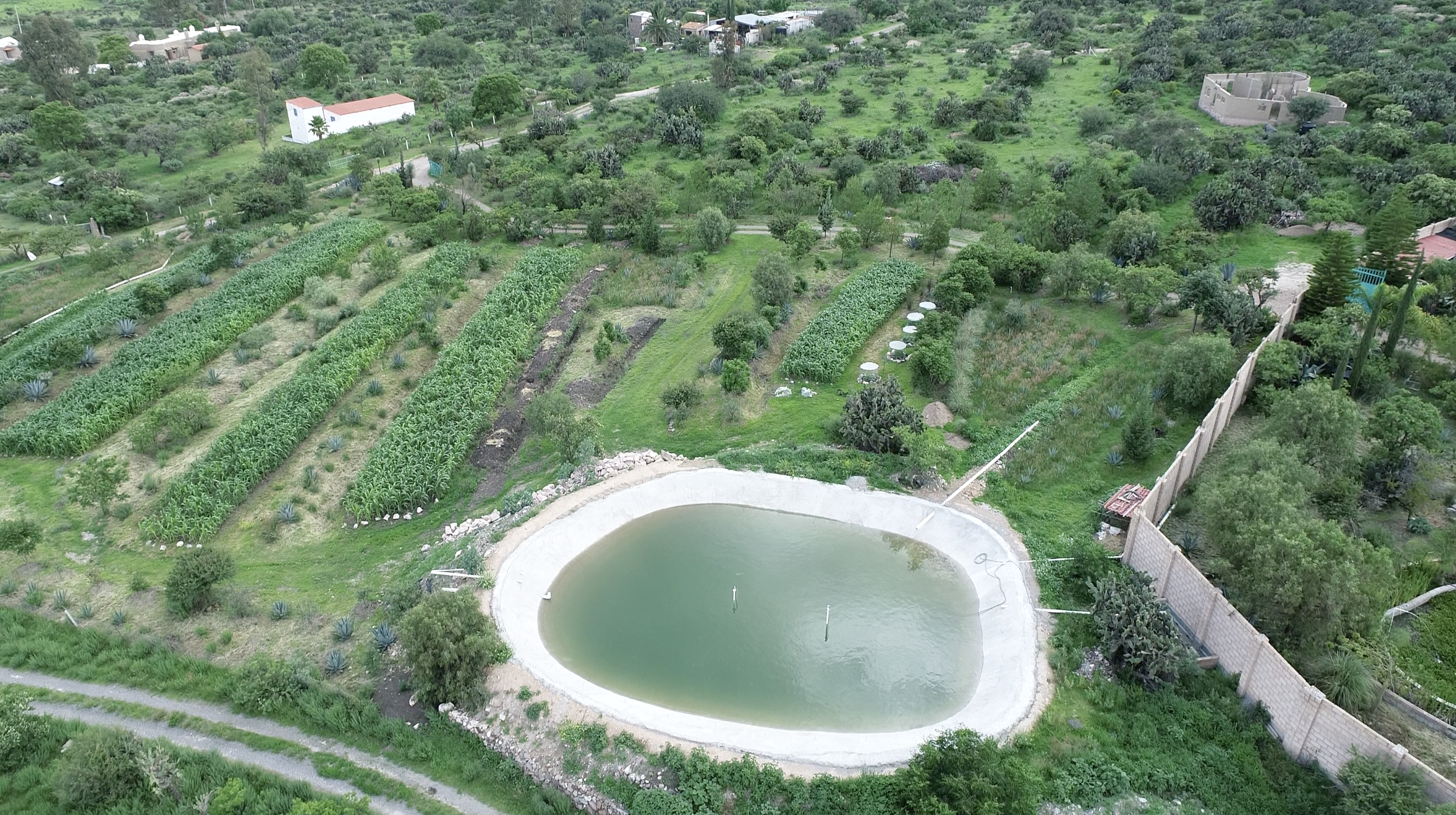
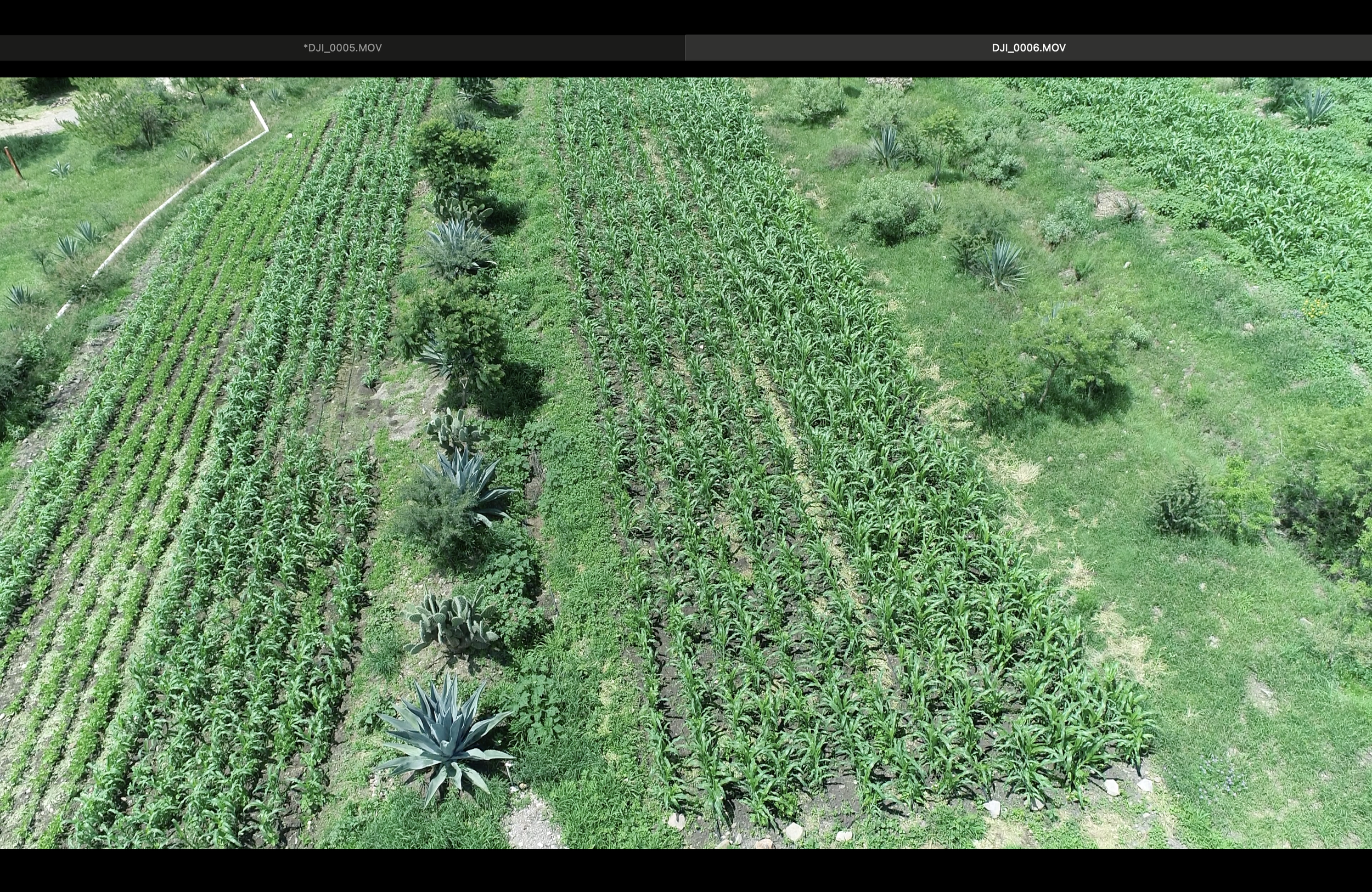
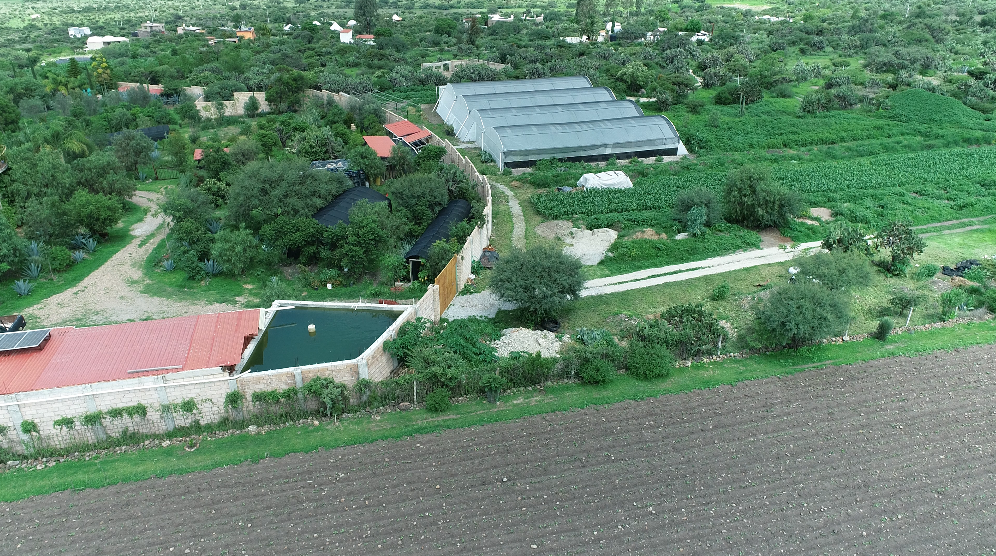
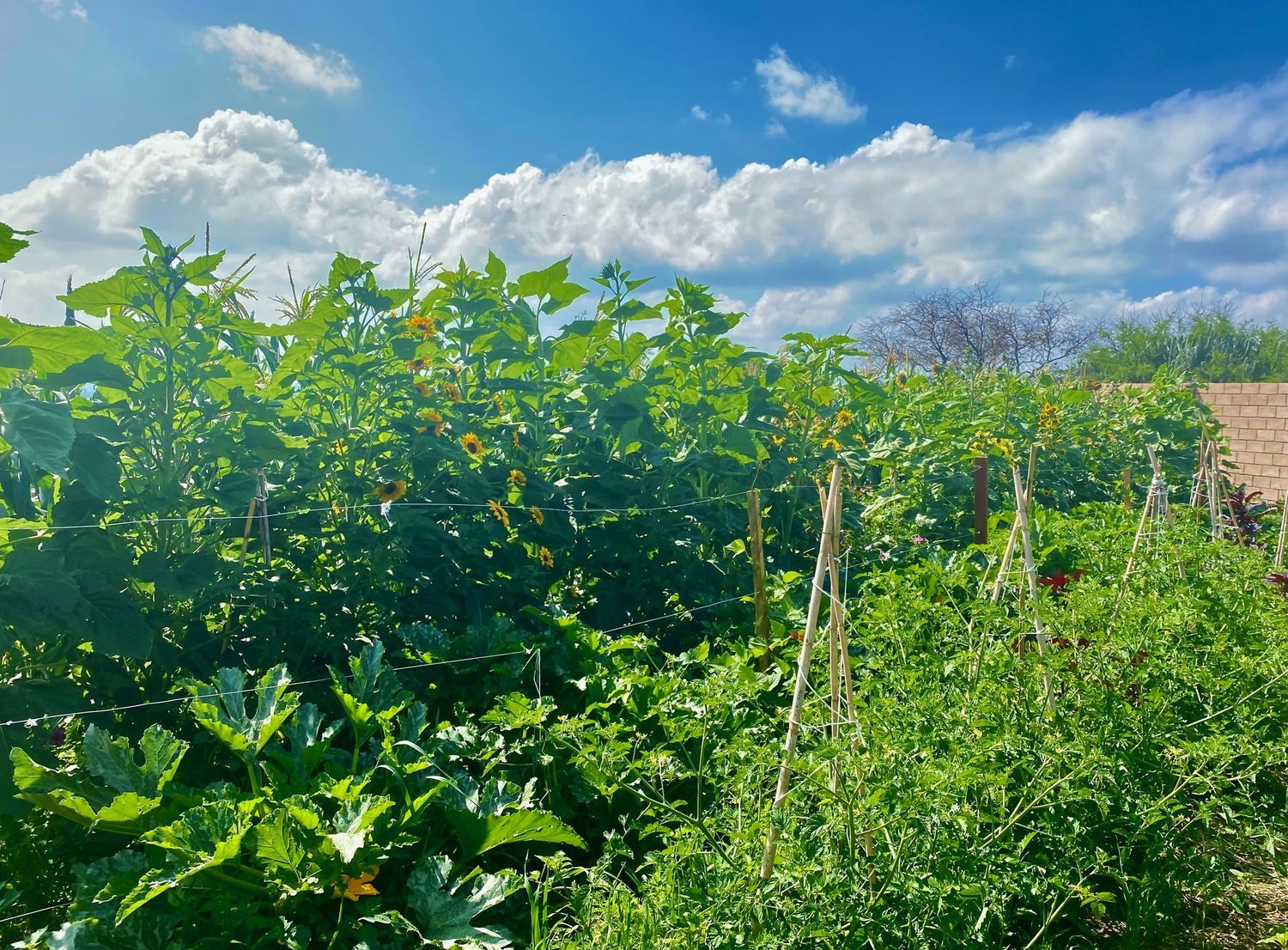
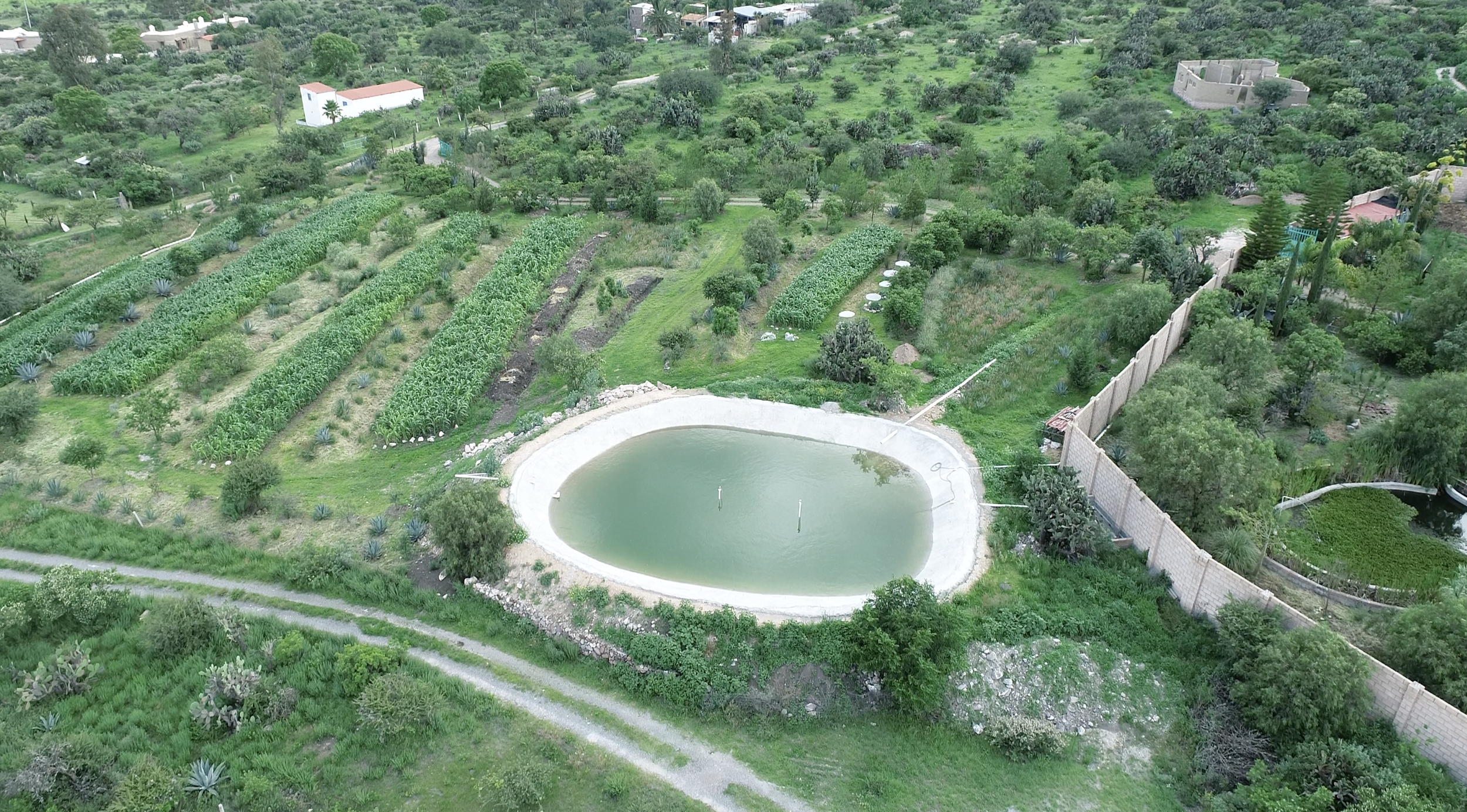
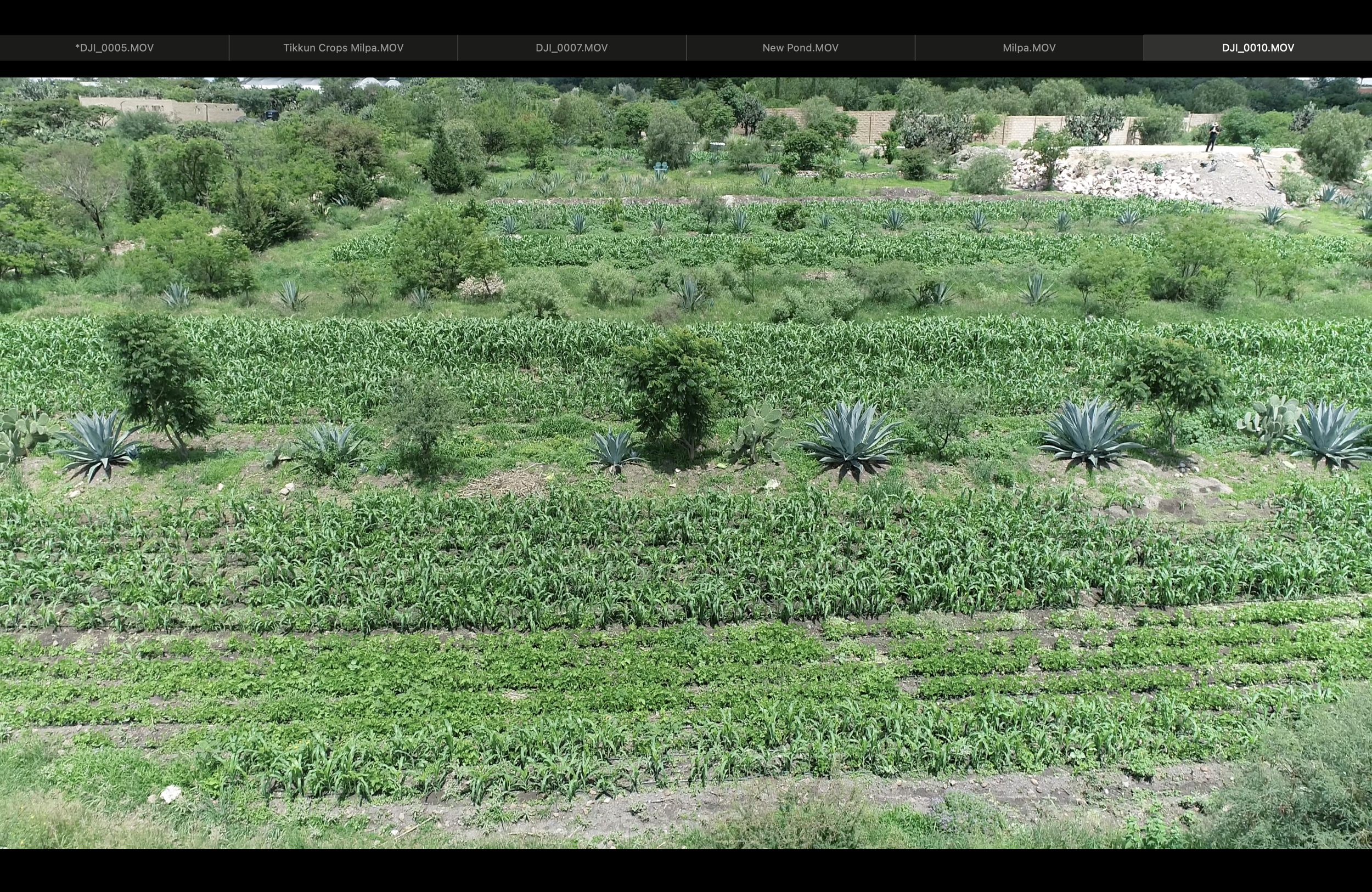
Our practice combines traditional Mexican milpa agriculture (fields of corn, beans and squash) interspersed with swales and berms that retain rainfall and allow the soil to hold more moisture. Those berms are planted with trees, shrubs, magueyes, nopales and other perennial vegetation. This creates a growing ecosystem that provides habitat for local insects and fauna, biomass, and much needed shade. We work the soil minimally, planting the traditional way, with our horses making shallow furrows for seed.
We use no chemicals or pesticides in order to protect the microbial life in our soils and the Soil Food Web, which is the basis of productive agriculture. Additionally, toxins threaten the health of essential pollinators. We maintain six on-site bee hives which can produce up to 70 liters of honey annually and pollinate all our crops and fruit trees. Our soil is built by adding manure, worm compost and compost tea, as well as onsite biomass from our crops and ponds.
Over time our fields have survived recent periods of record-breaking heat and drought while neighboring fields have suffered and crops have failed. We believe this demonstrates the value of organic agroforestry methods.
Our Production
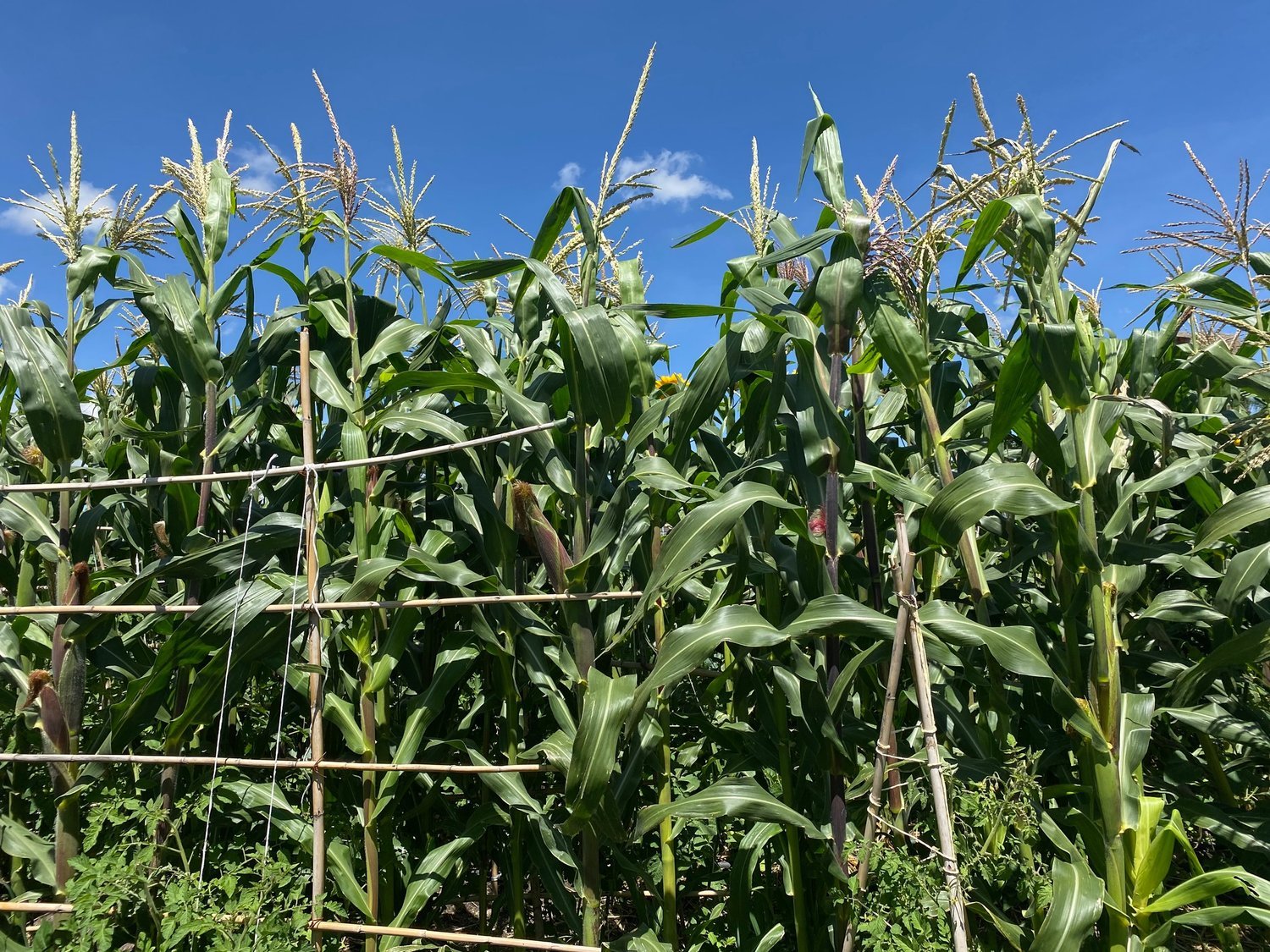
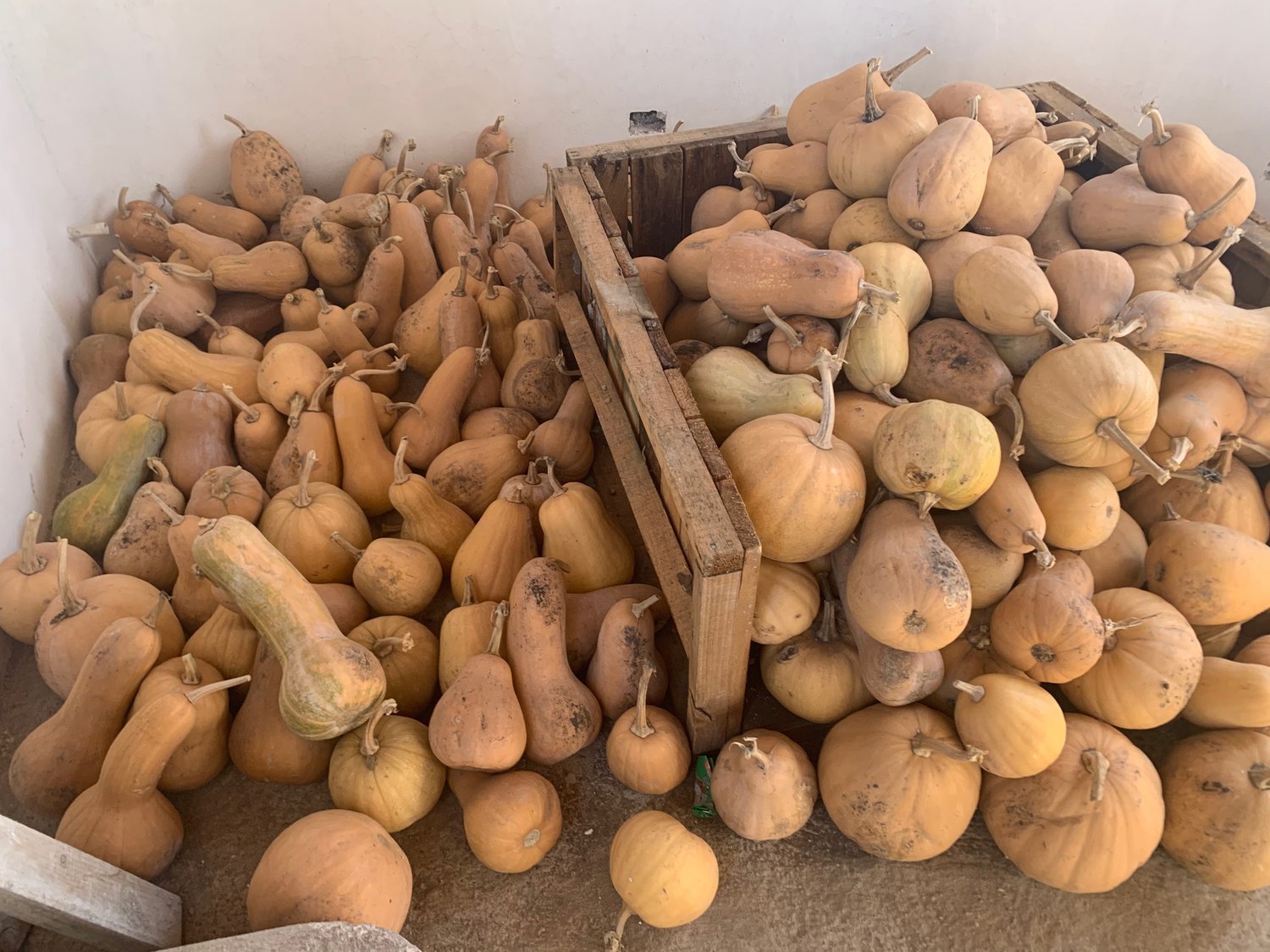
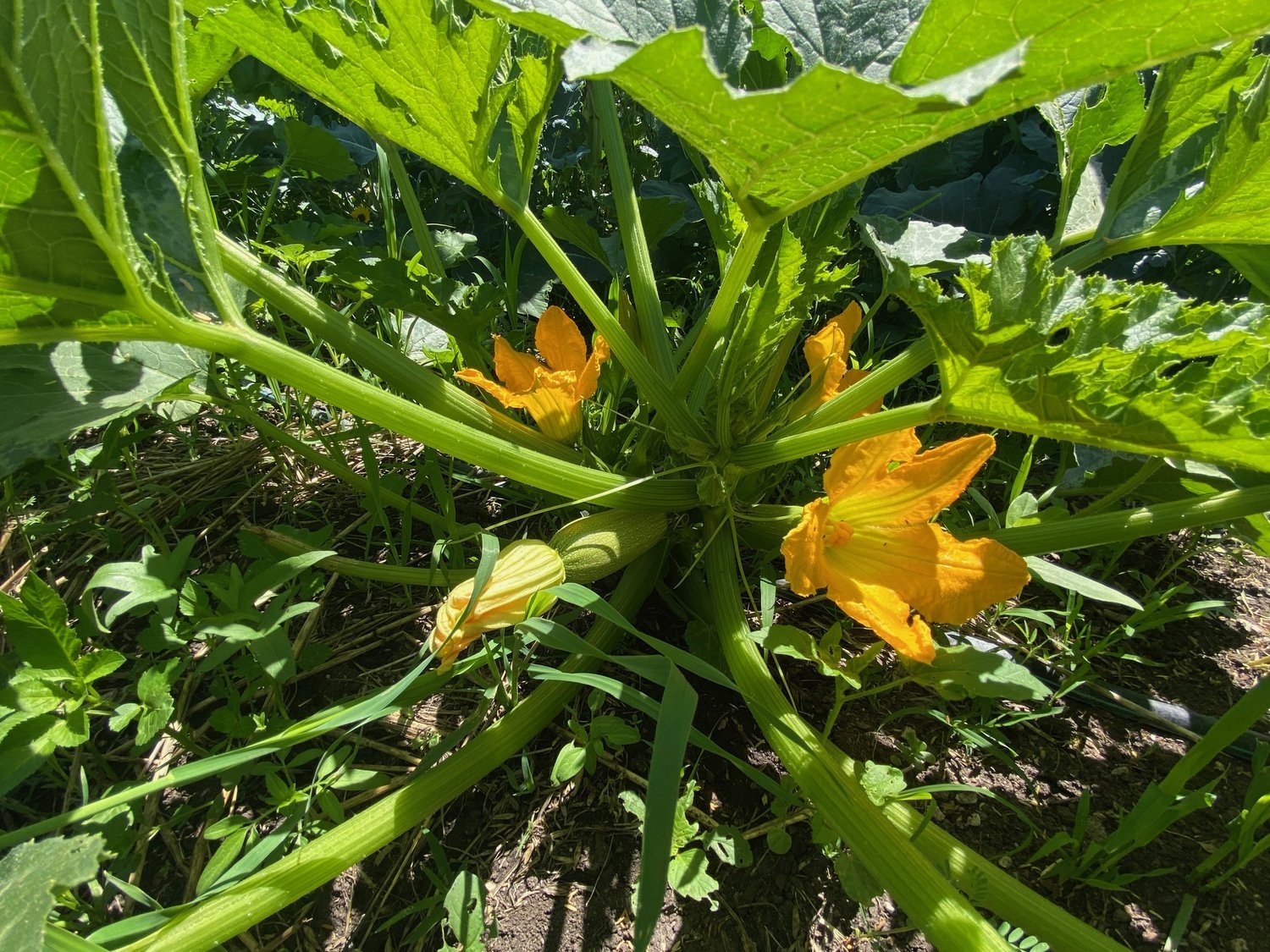
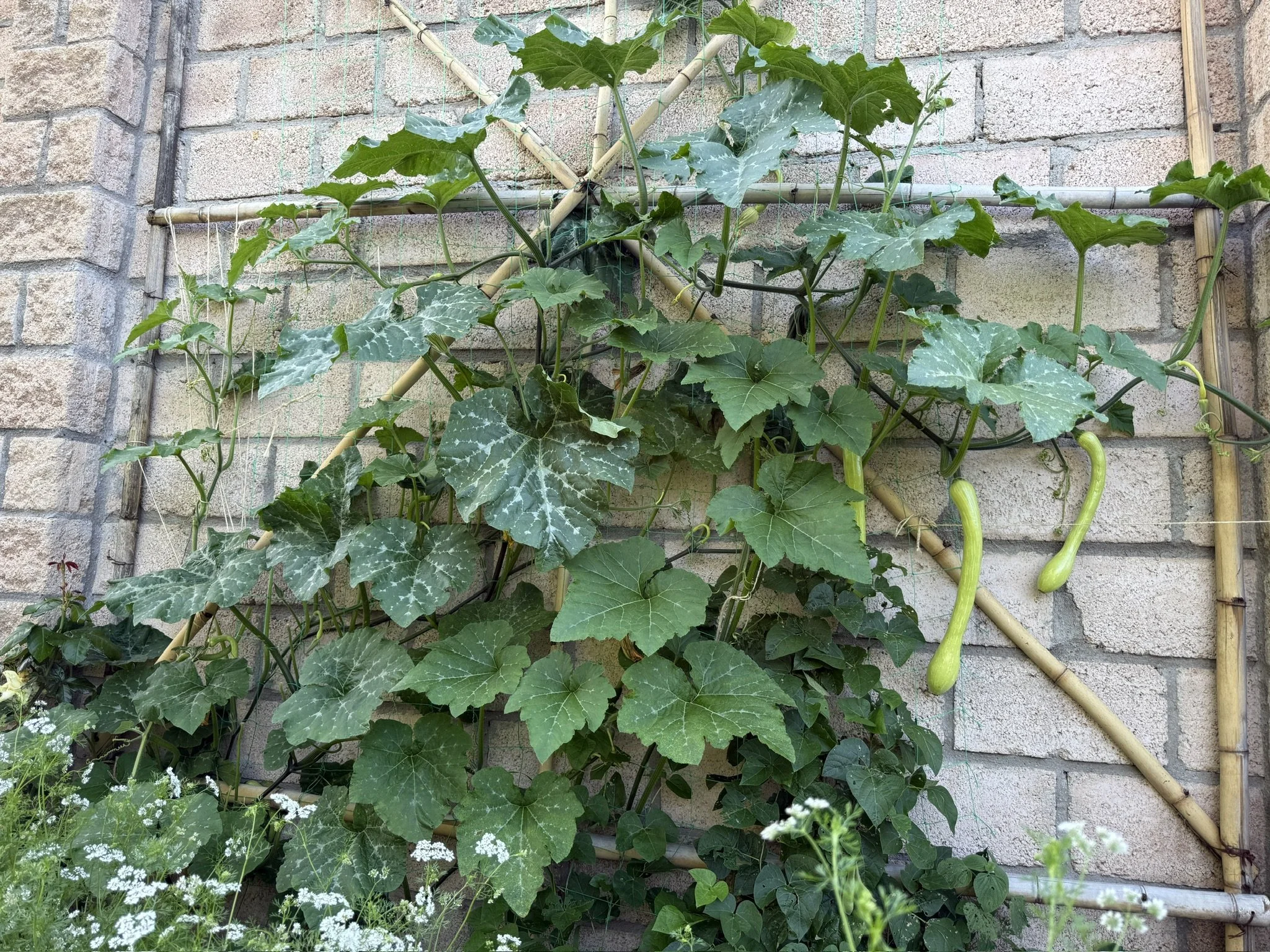
In our traditional milpas we grow five varieties of native corn, beans and squash (the three sisters).
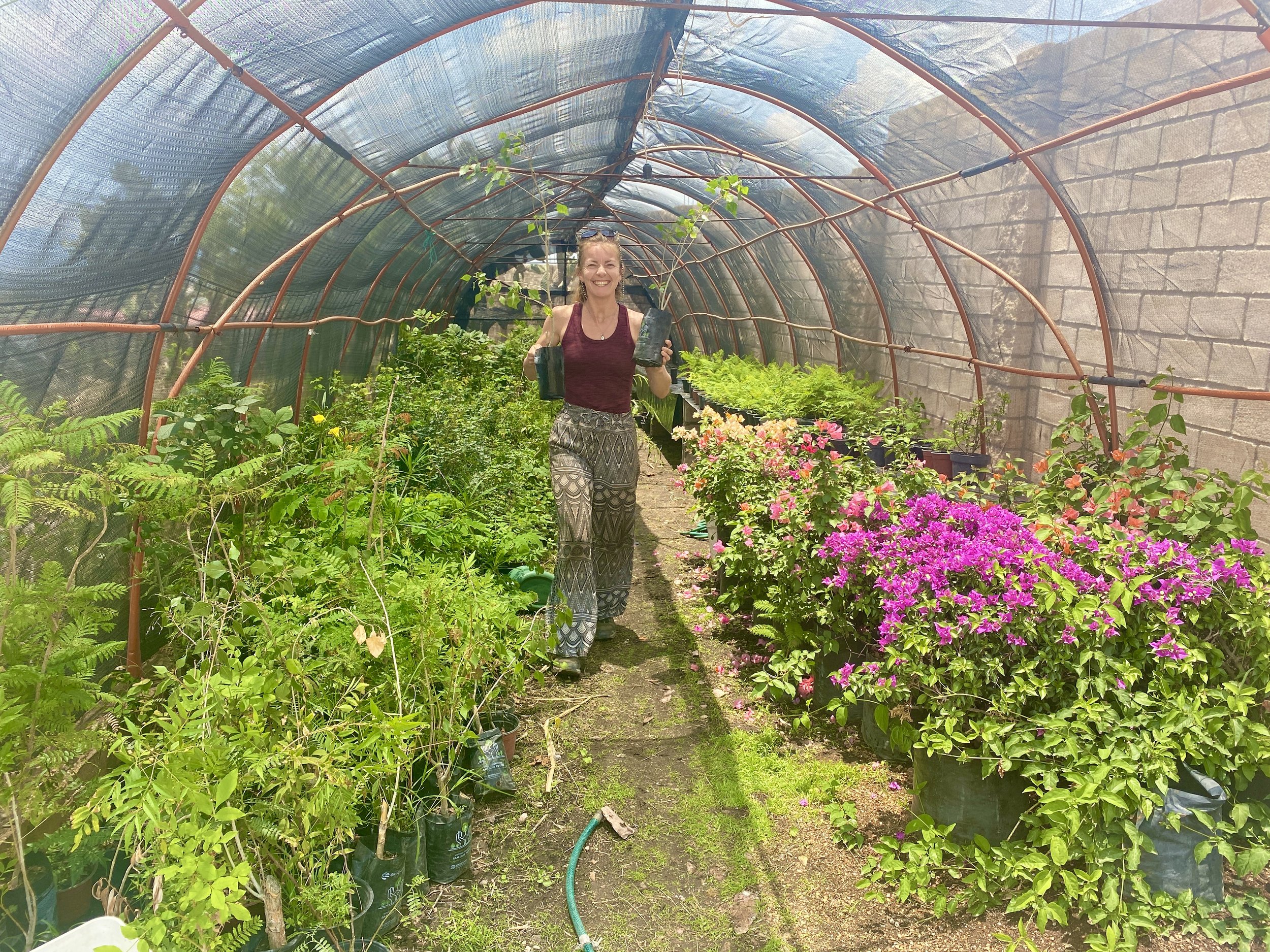
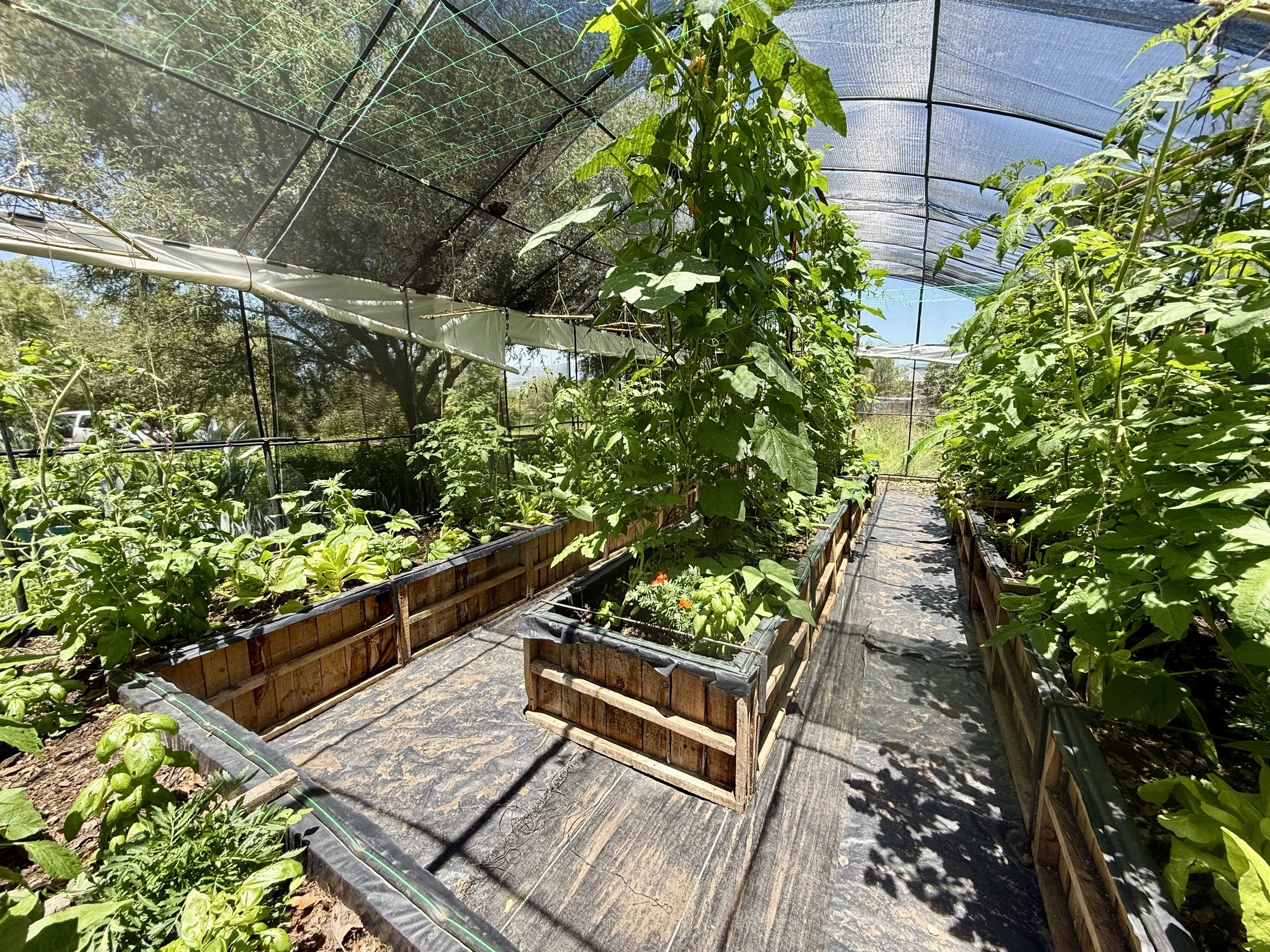
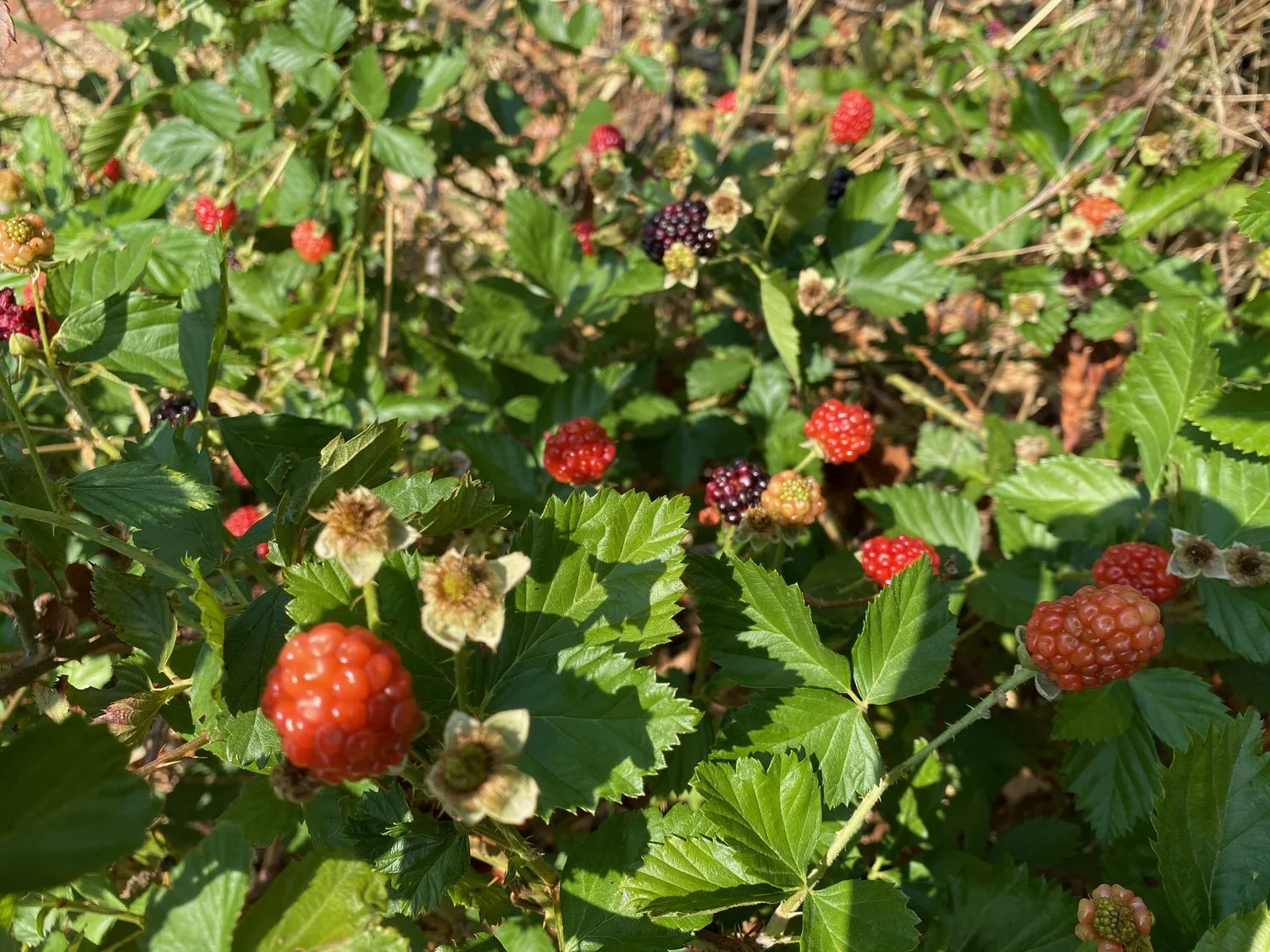
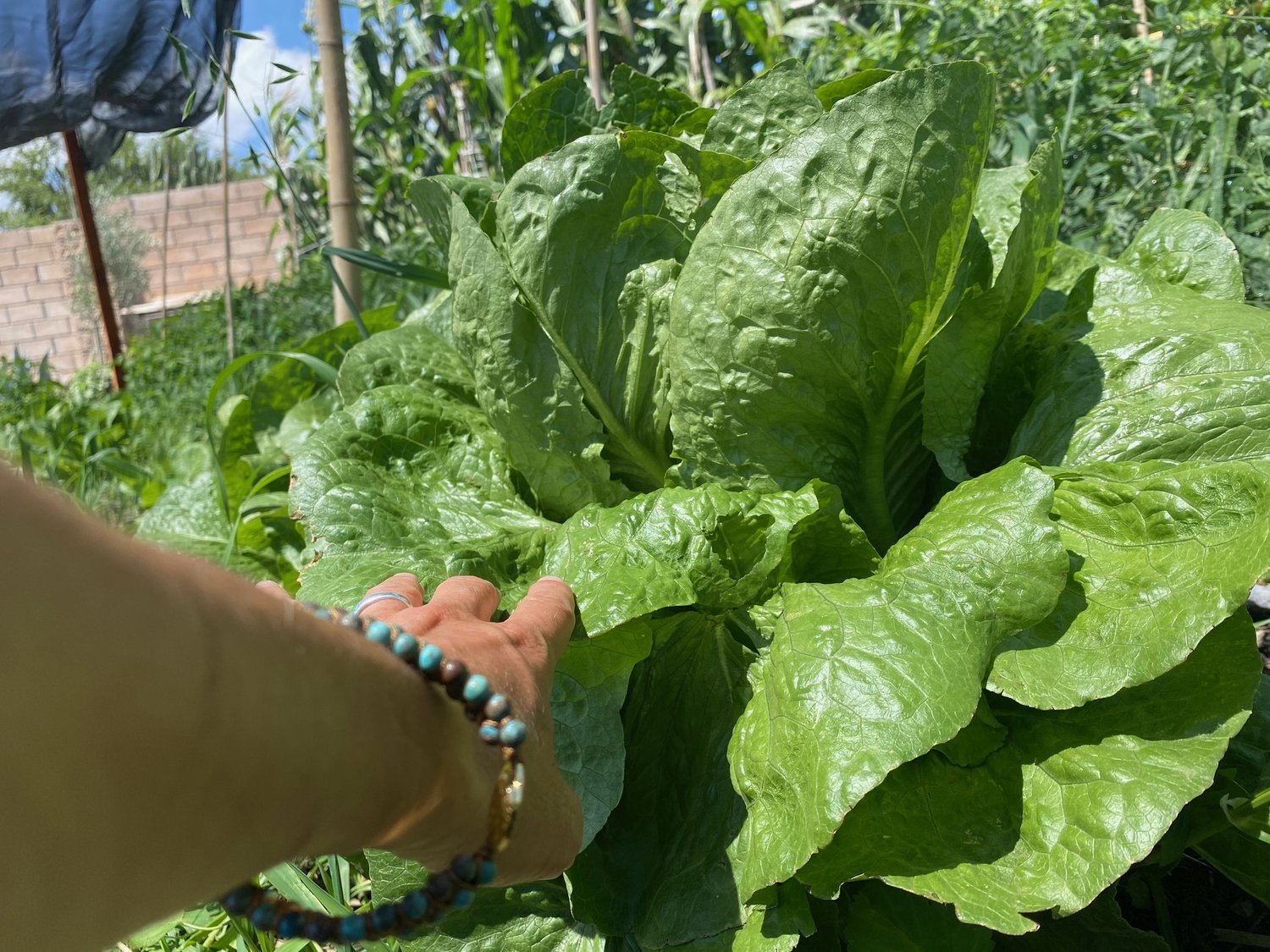
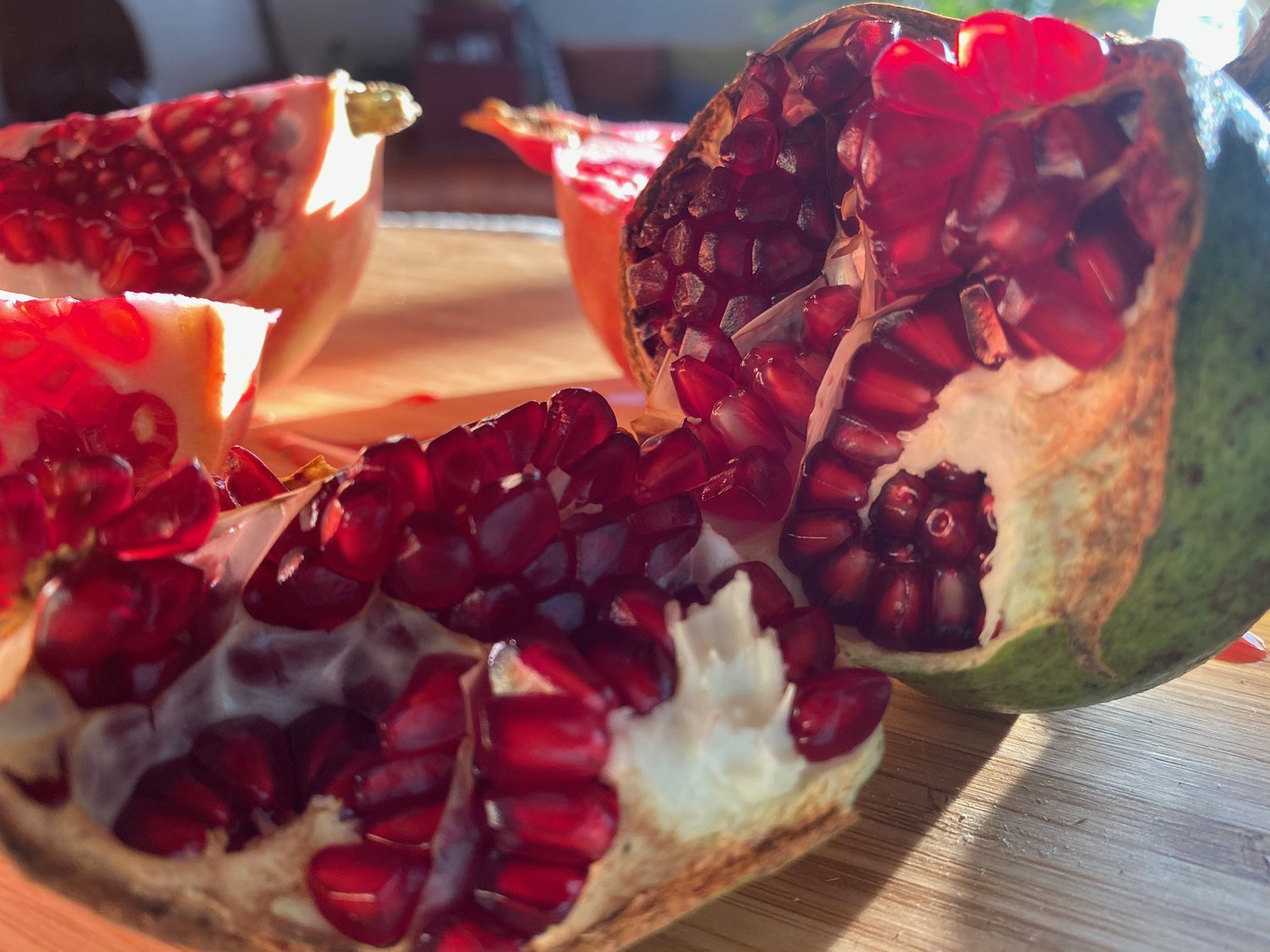
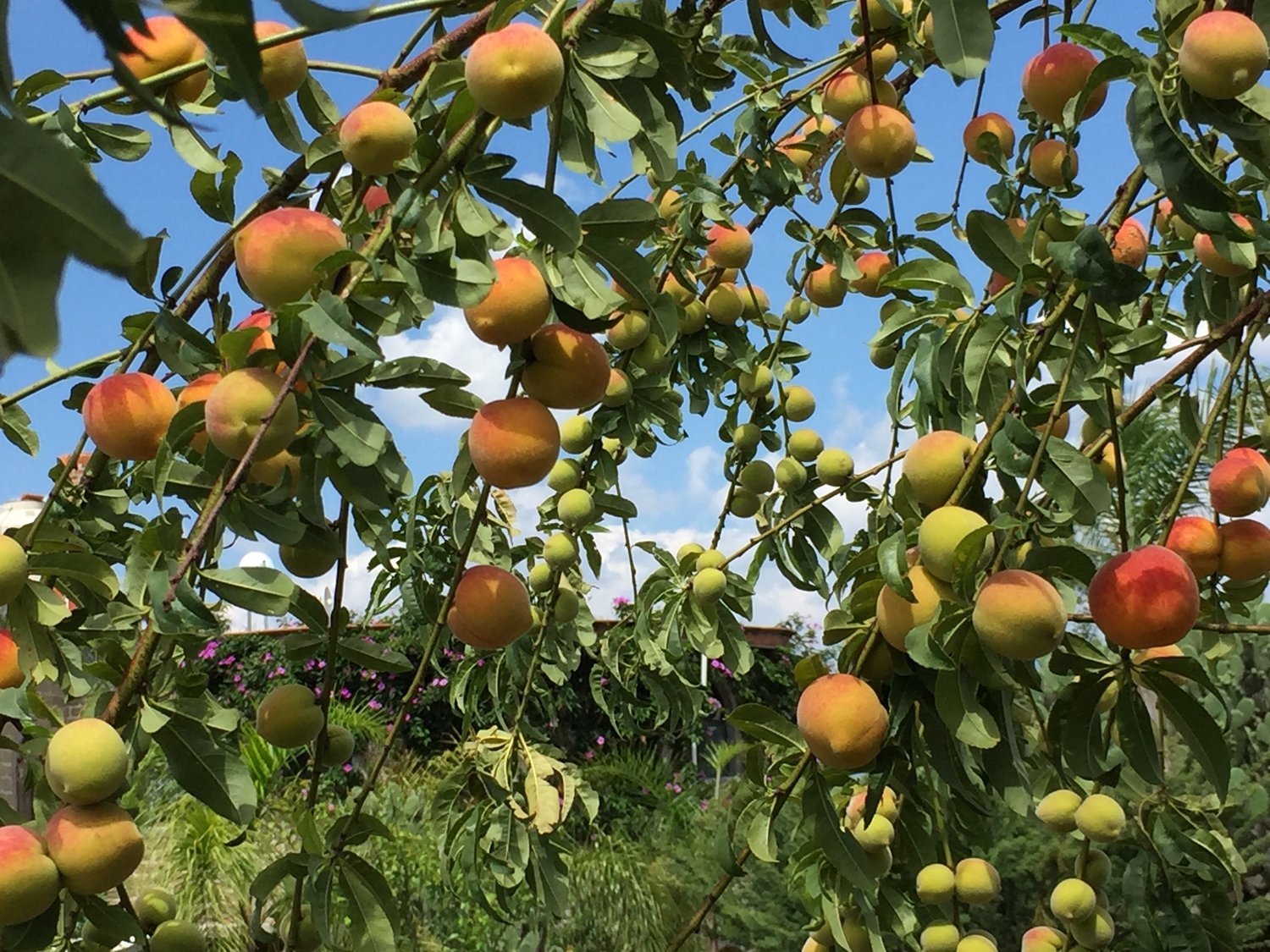
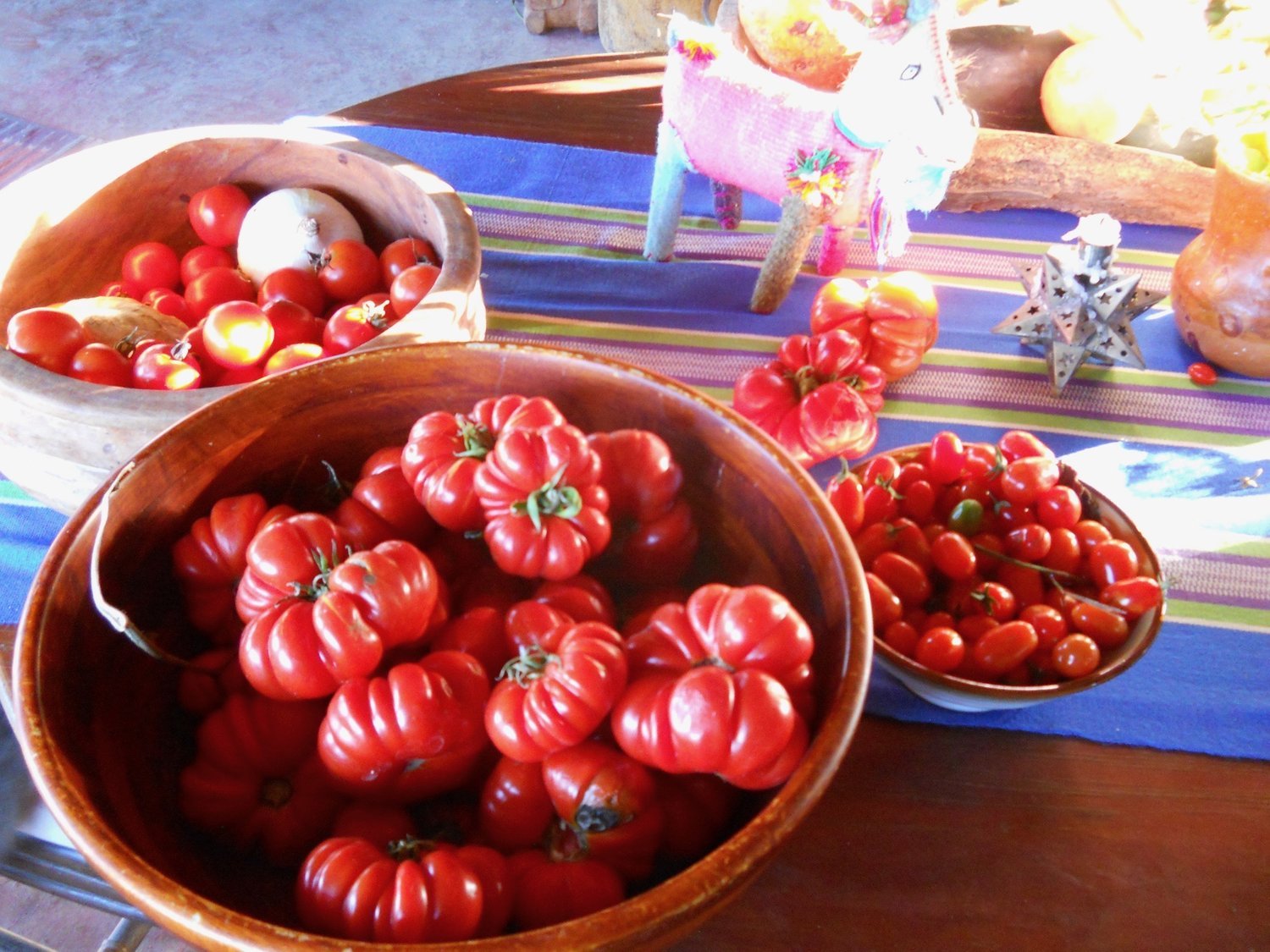
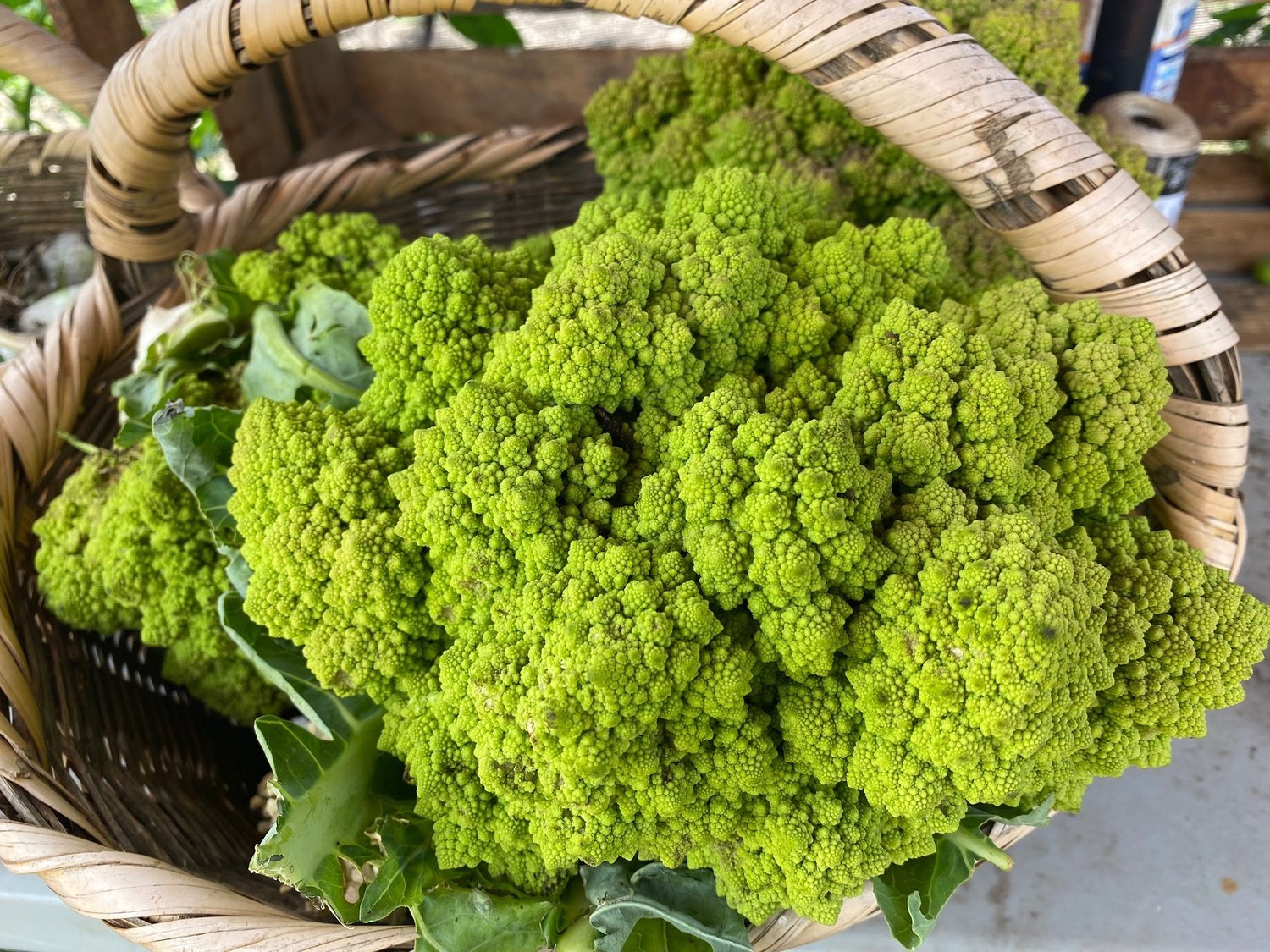
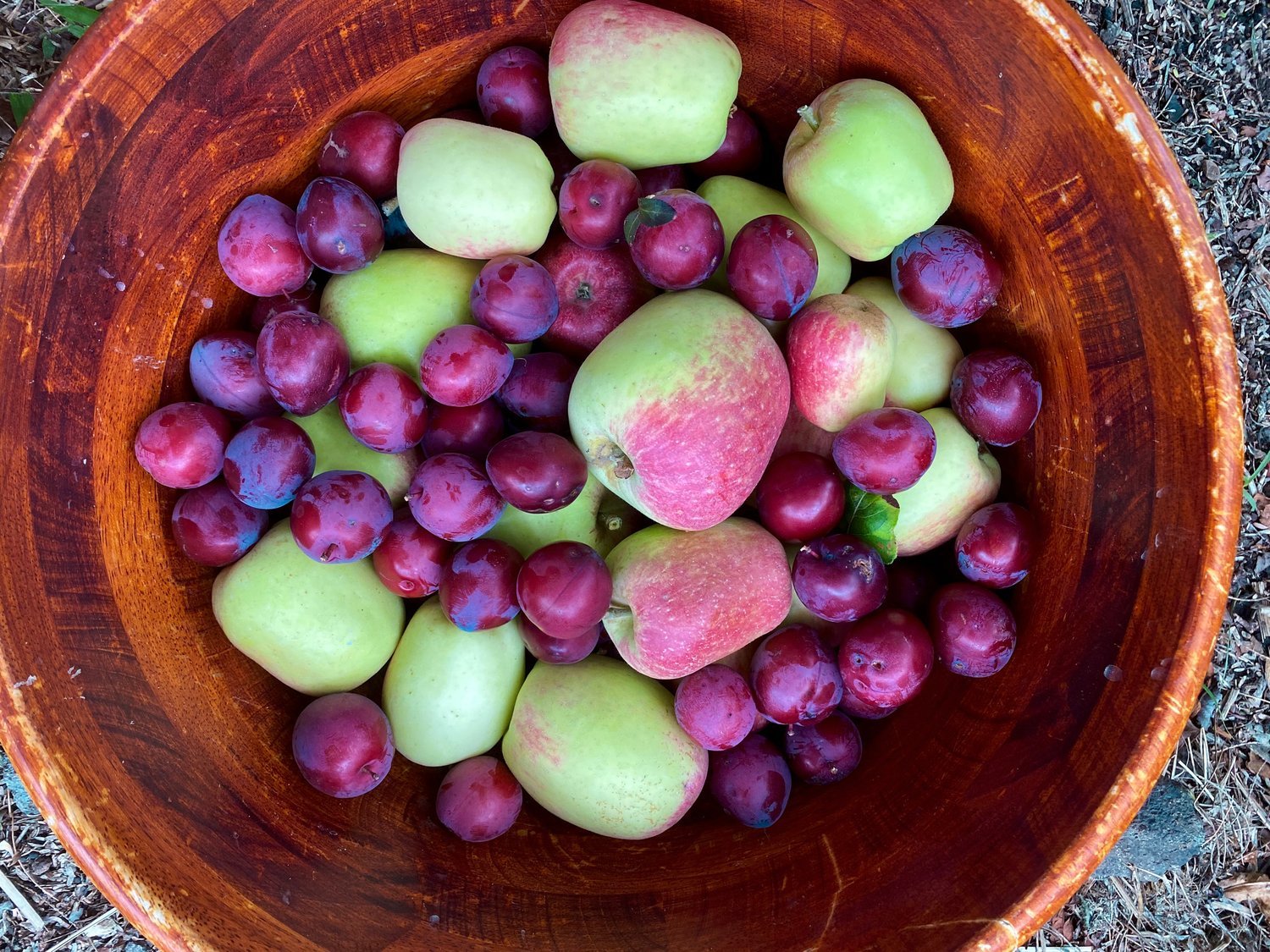
Our intensive gardens include vegetables, fruits, herbs and flowers. We maintain three greenhouses dedicated to intensive vegetable production. Our fruit production includes nopal, pomegranate, loquat, peach, apple, plum, pear, fig, olive, orange, grapefruit, cherry, mulberry, blackberry, and guayaba.
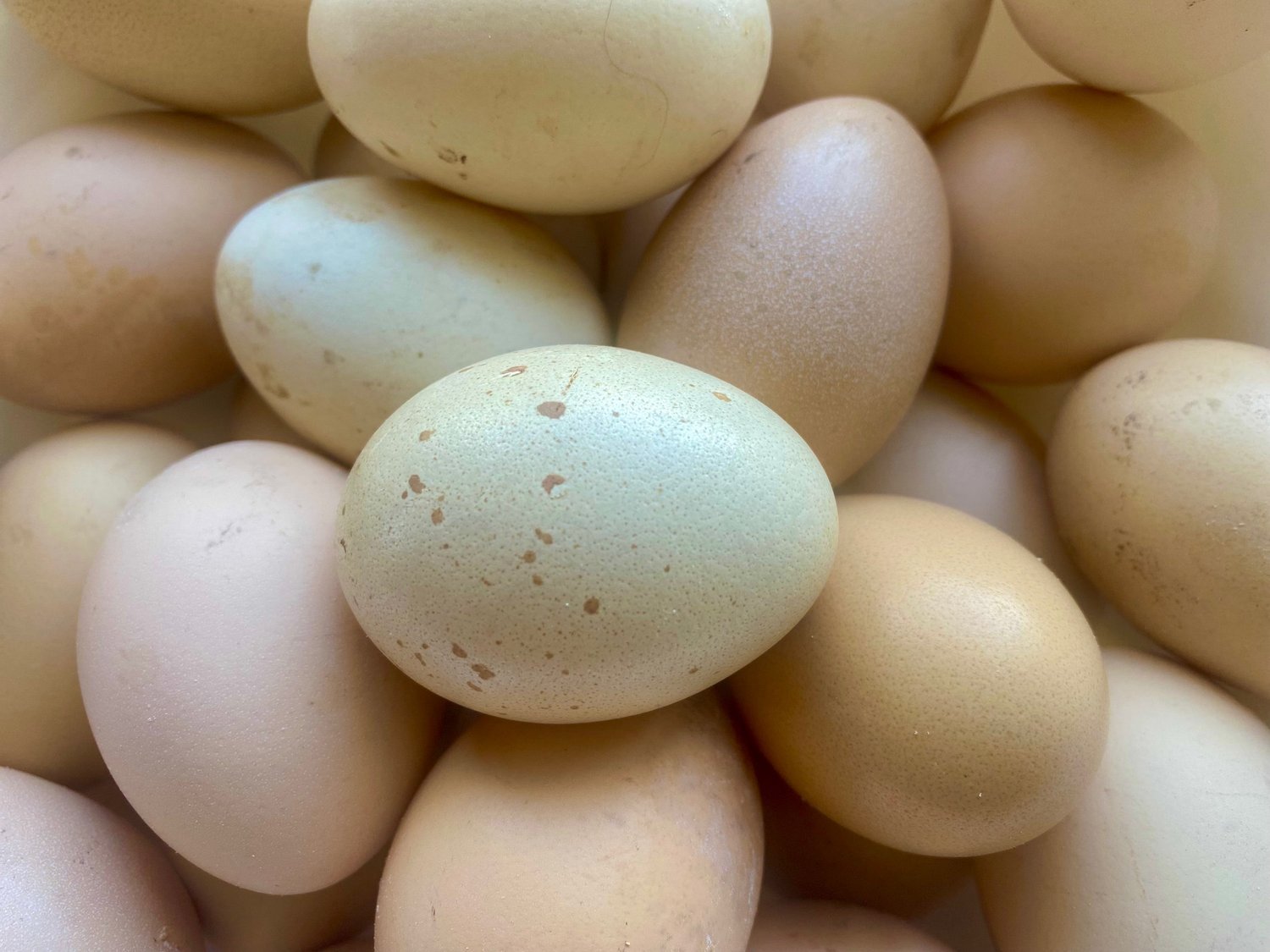
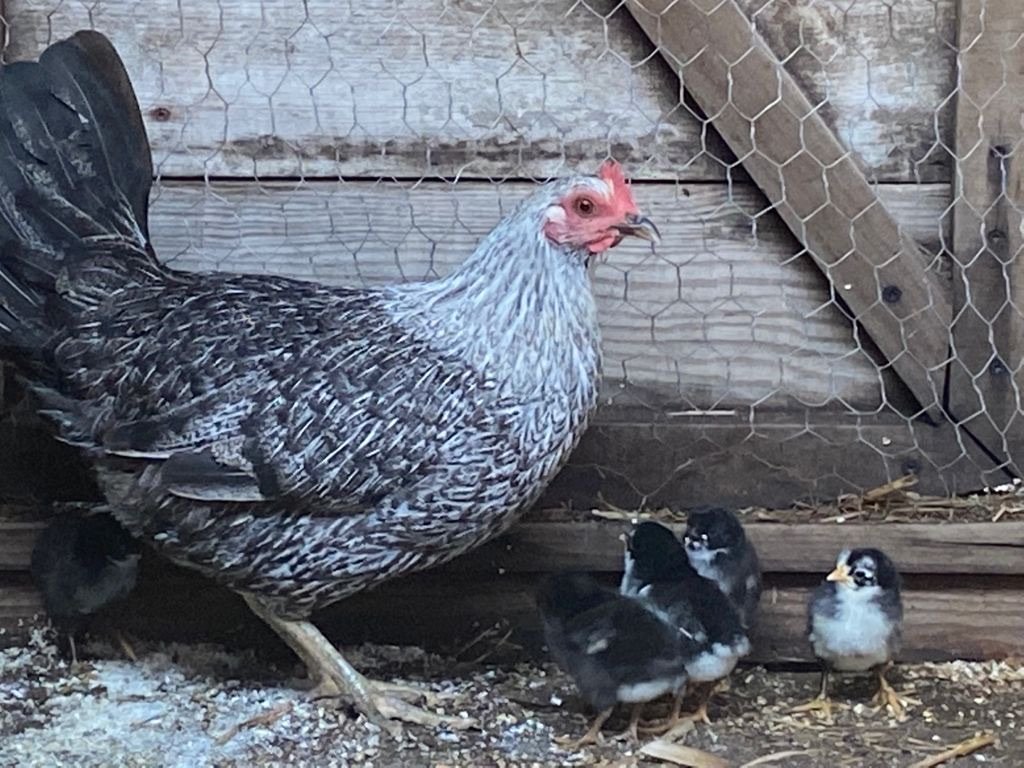
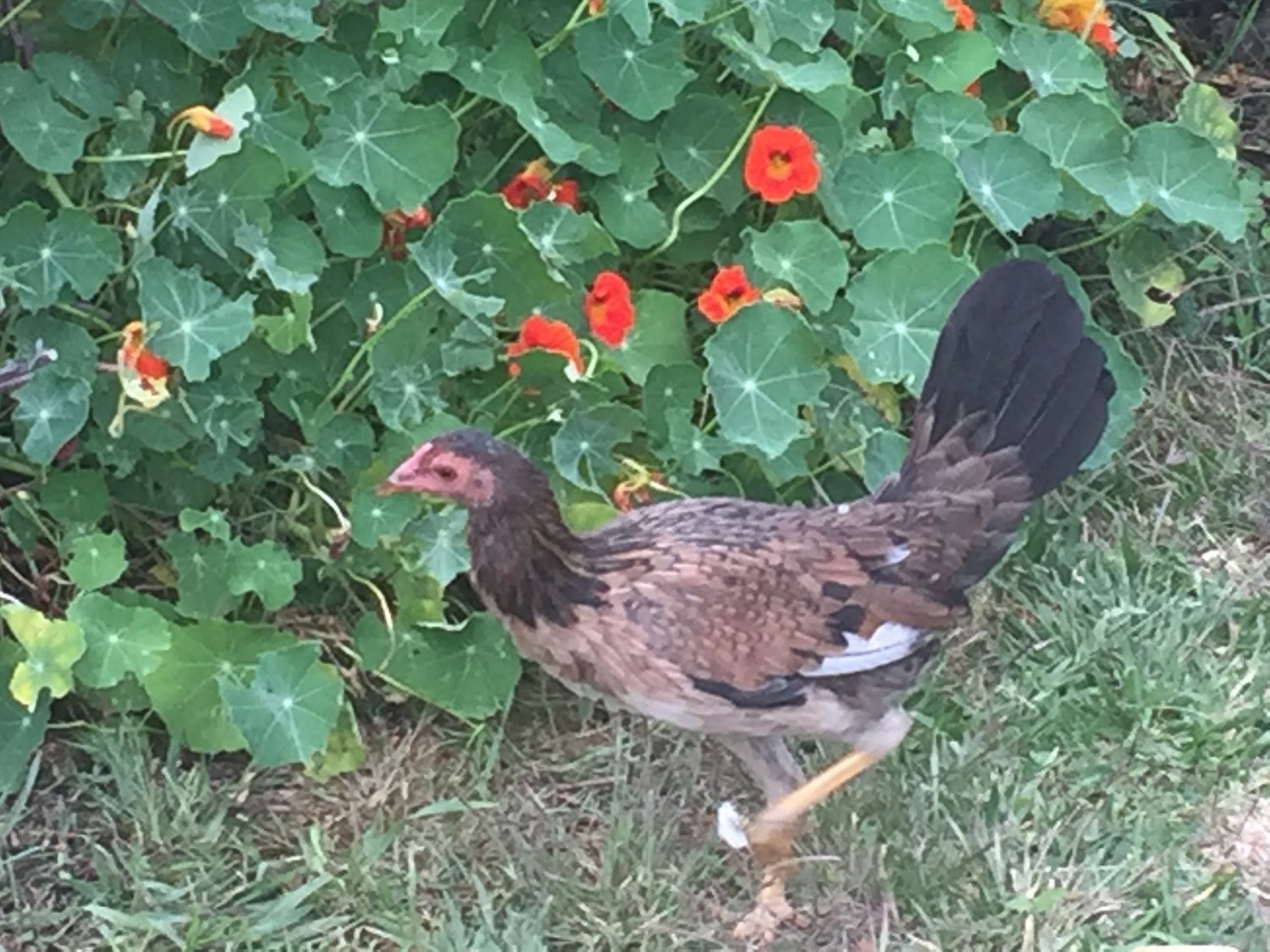
Eggs, meat and fish production come from our tilapia ponds and organic chickens.
Chickens as pest management
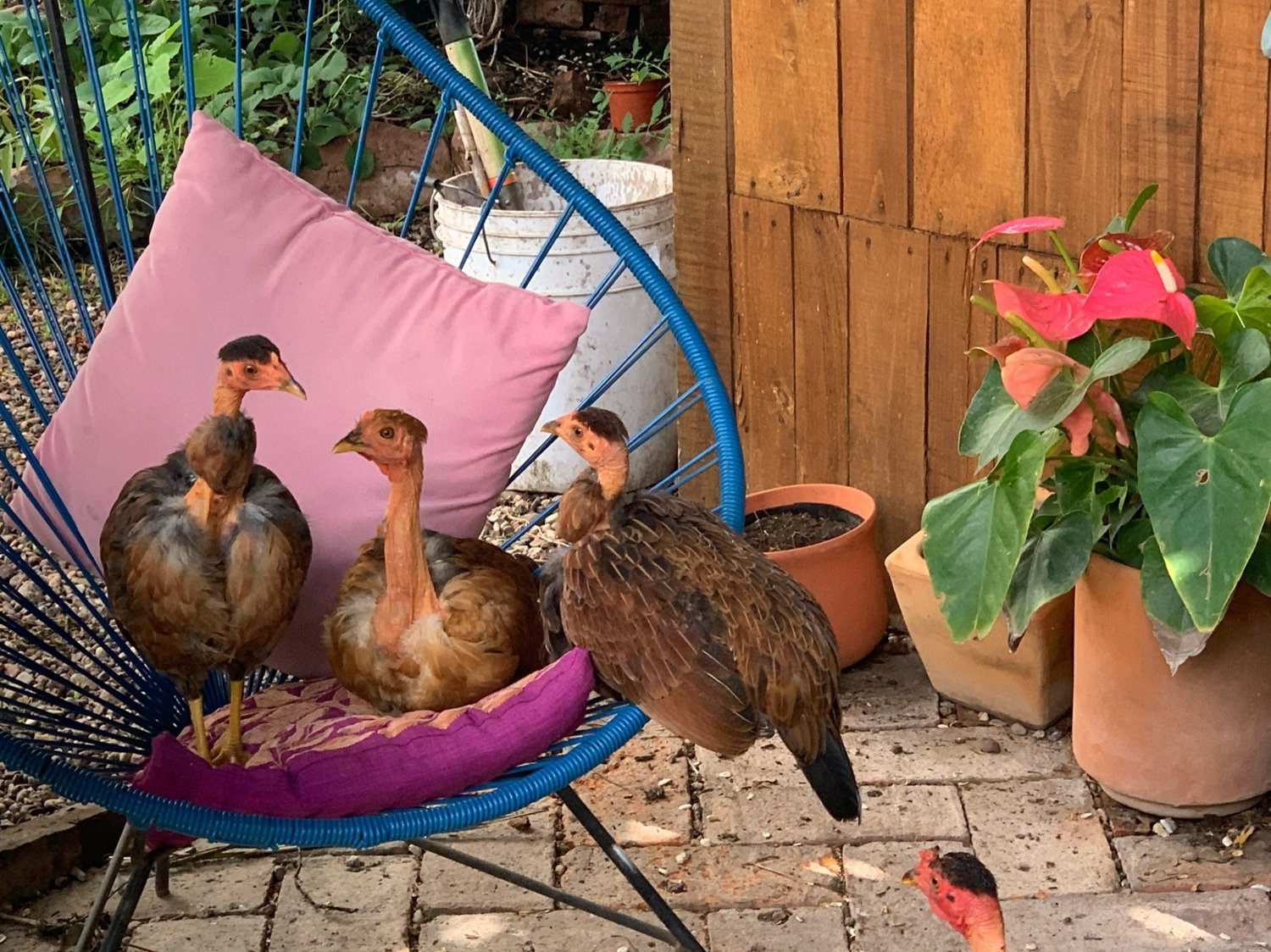
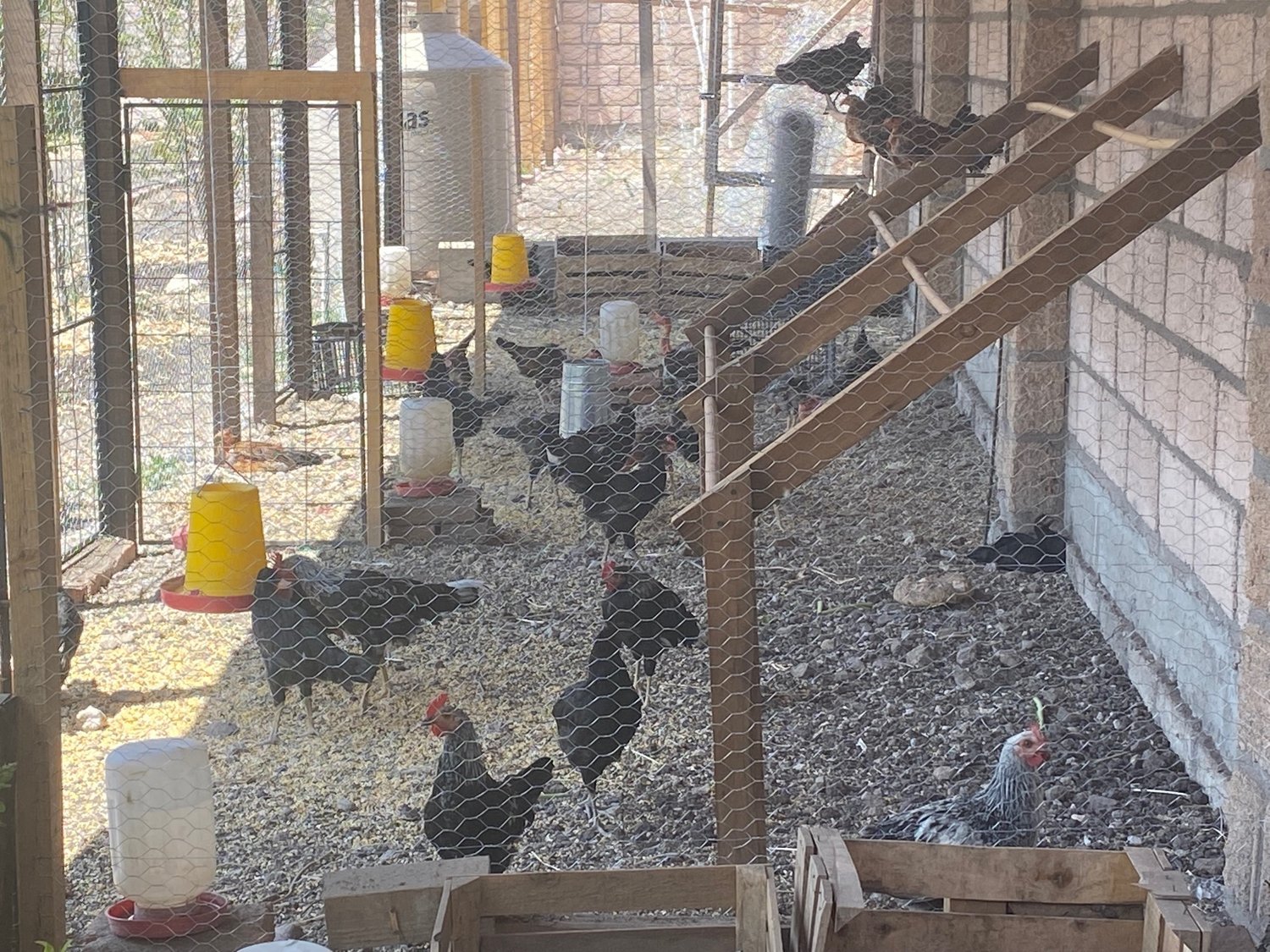
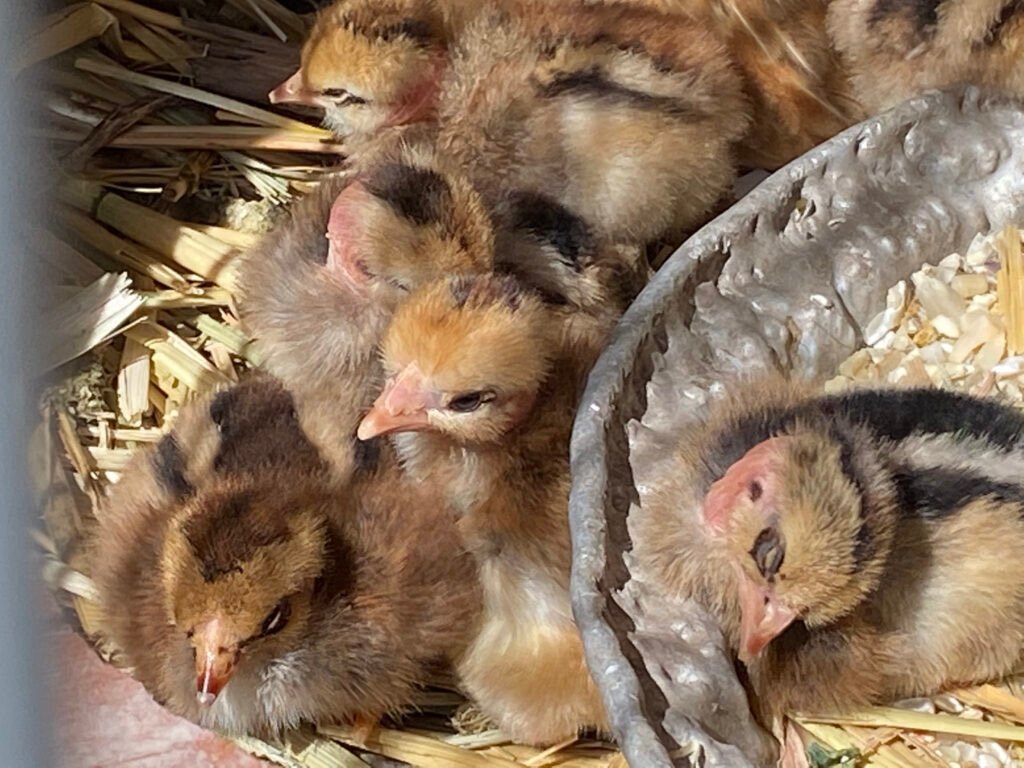
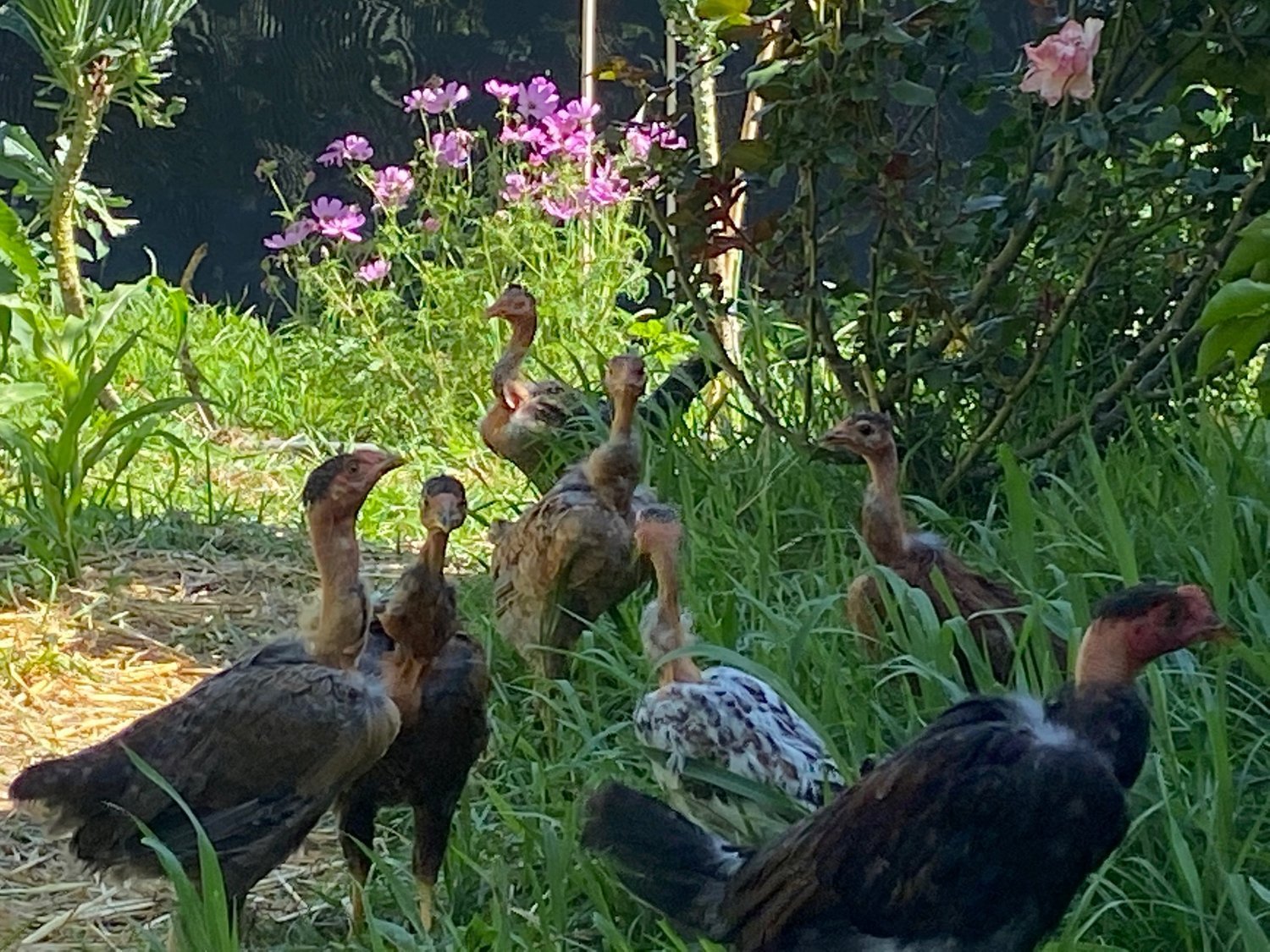
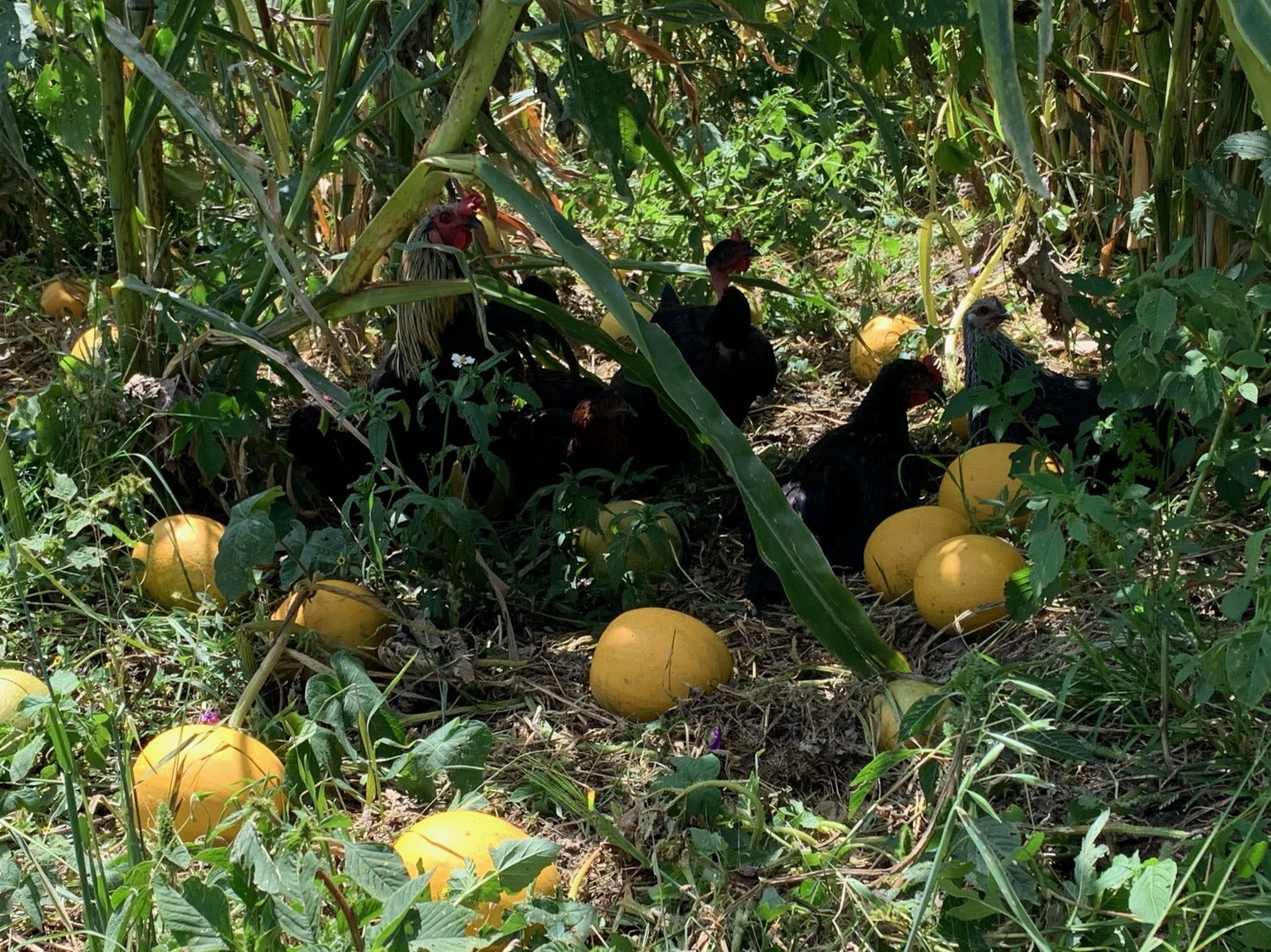
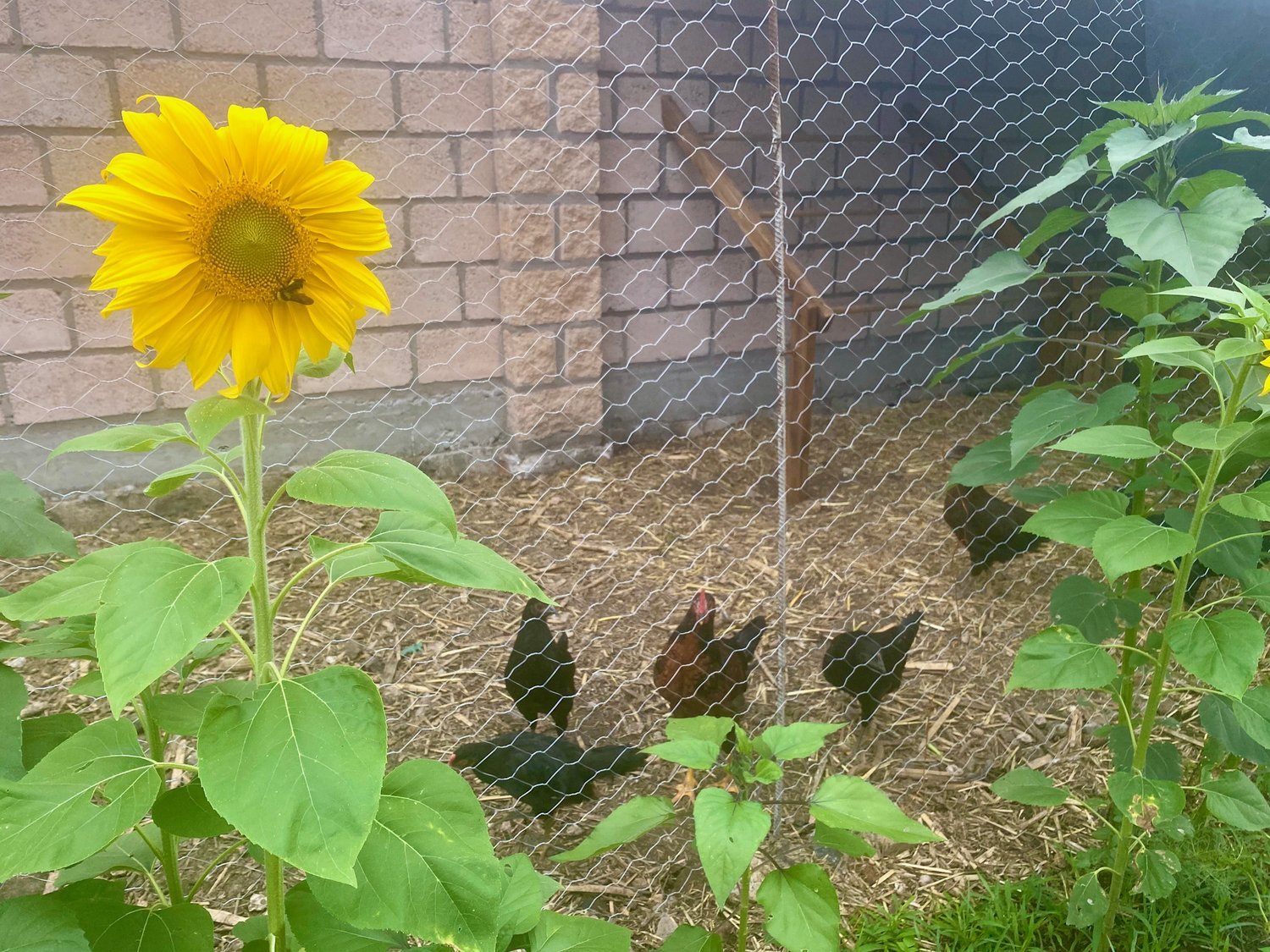
Chickens are an essential component of a sustainable and resilient farm, providing meat, eggs, and fertilizer. They are also key for non-toxic pest management.
In many parts of Mexico, severe grasshopper infestation is threatening crops. In grasshopper season, we allow our 150 chickens free range across the farm to manage our pests.
Our chicken houses are designed to serve as water catchment as well, funneling rainwater into tinacos which are then used to irrigate crops.