
Para ver este sitio en español, haga clic en la opción de idioma en la barra de menú. ¡Gracias!
PLANTING FOR CHANGE
al level.
Improving regional biodiversity, climate resilience, and the health and security of our rural communities.
From Desertification to Restoration
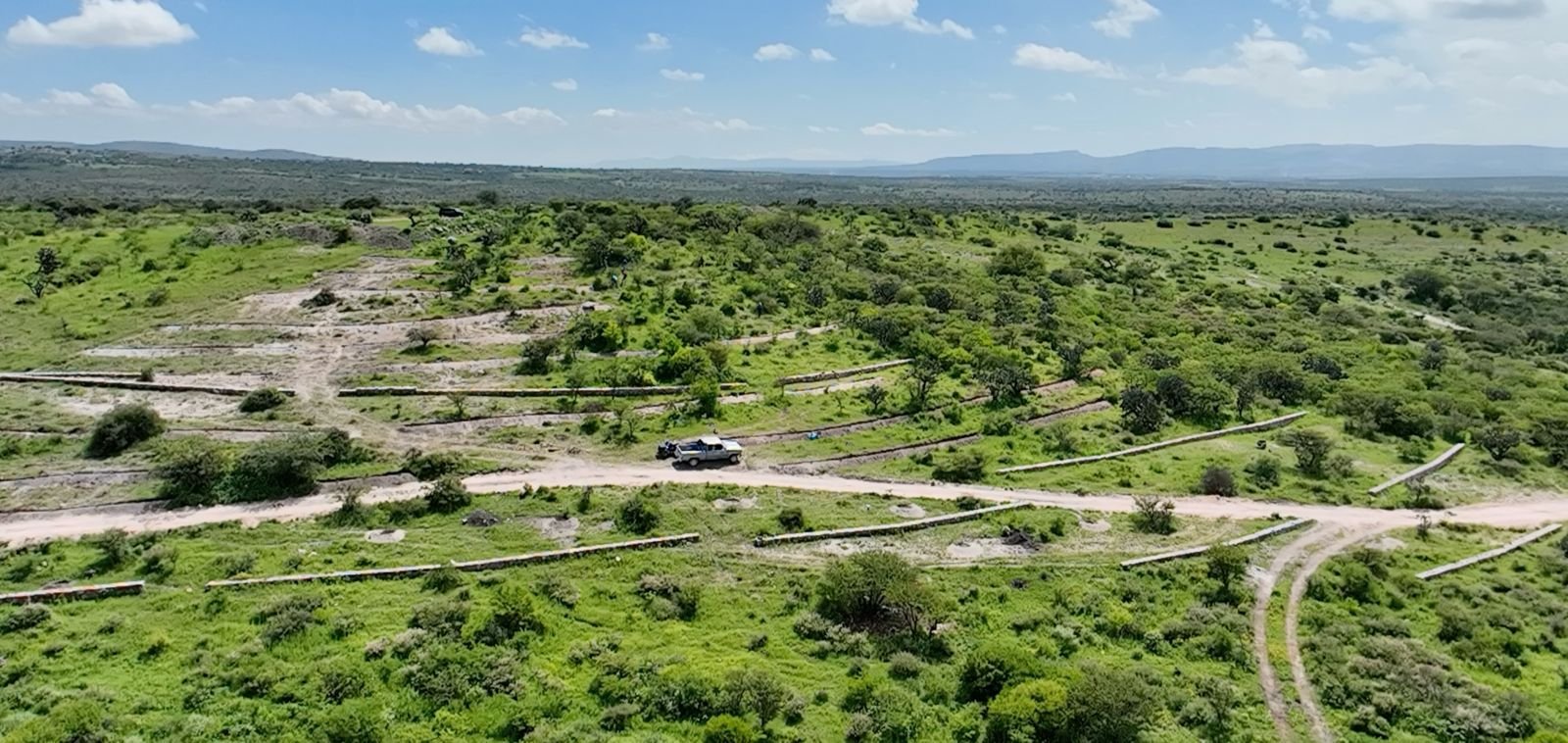
Deforestation leads to desertification: Increased soil erosion, heat and drought, weather extremes, food and water insecurity. In our state of Guanajuato we see the dire results of deforestation dating back to Spanish colonial days when entire forests were cut for smelting silver. Today, most virgin forests are gone and tree loss continues annually.
The world currently loses approximately 10–11 million hectares of forest each year and approximately 90% of global deforestation today is driven by agricultural expansion. Up to 40% of Earth's land is already seriously degraded.
As large-scale agribusiness drains the aquifers around San Miguel, our rural communities are experiencing land degradation, toxic well water, food insecurity, and loss of livelihoods.
This crisis hits hardest in the farming villages and collective Ejidos that comprise nearly 60% of the population of San Miguel de Allende outside the city center - the places tourists and expats almost never see.
Guanajuato has the 3rd highest level of migration to the northern border of all the states in Mexico.
A Hopeful Future is Possible!
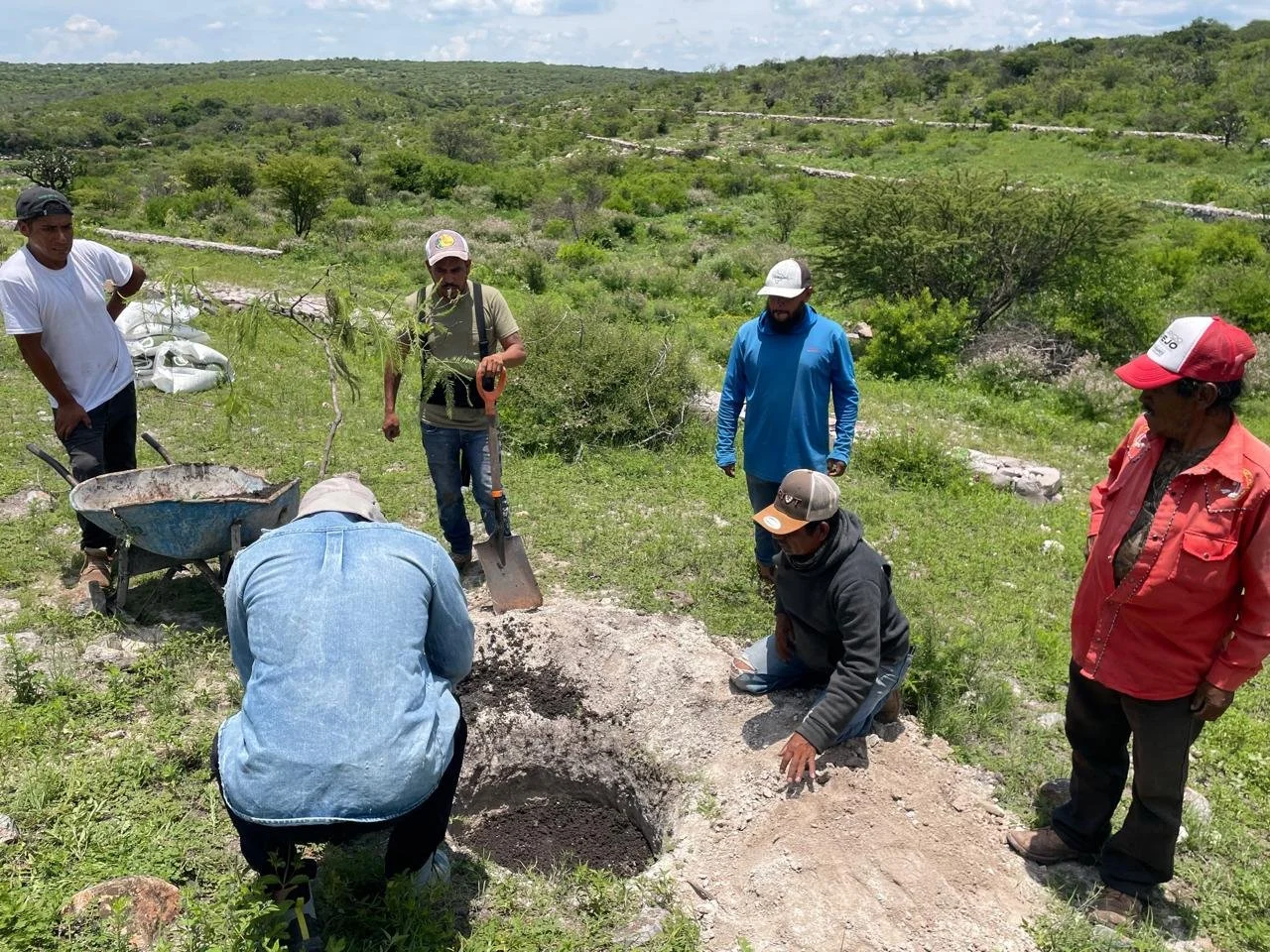
Tikkun’s Planting for Change project promotes biodiverse native tree and shrub reforestation, watershed repair, and regenerative agroforestry.
Our goal is to restore ecological and economic sustainability of local farming communities, building resilience to climate change impacts, and giving hope to the families who want to stay and thrive on their land.
The Planting for Change project works in tandem with our village reservoir restoration program, Agua Para la Vida and our Earth School.
We prioritize community-led assessment of land use, working with villages to design systems that support their needs, while integrating school programs for long term generational success.
Together, these restoration and education projects support the health and future sustainability of San Miguel de Allende.
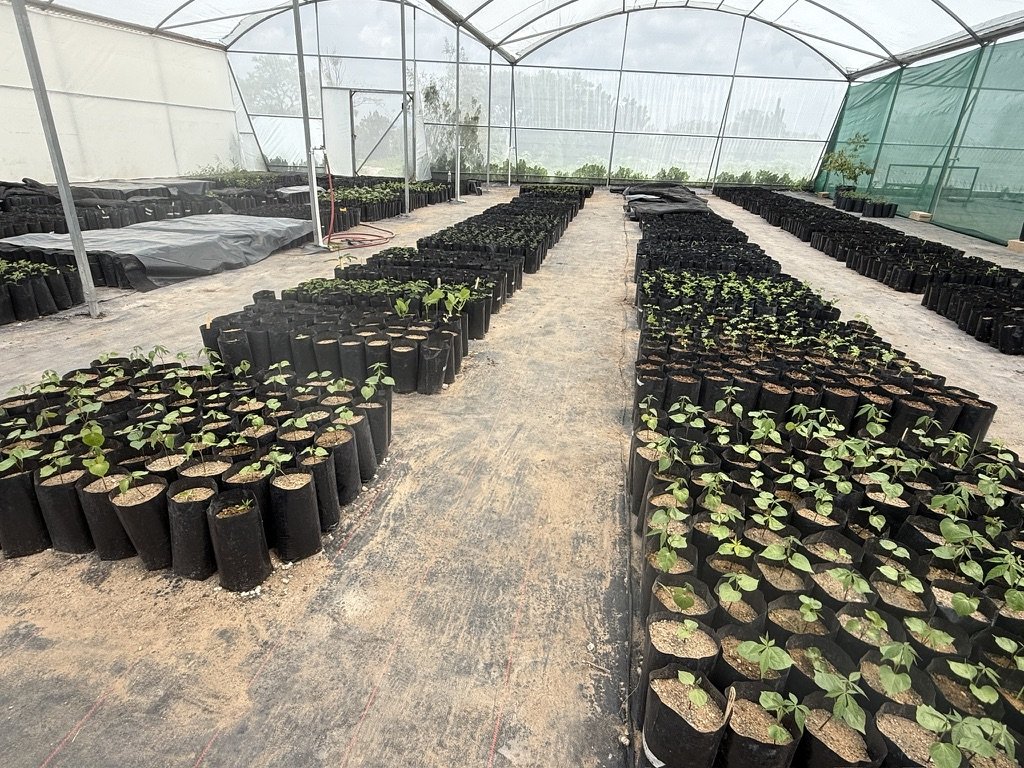
Our goal:
1 Million Trees Planted and a Native Tree Seed Bank
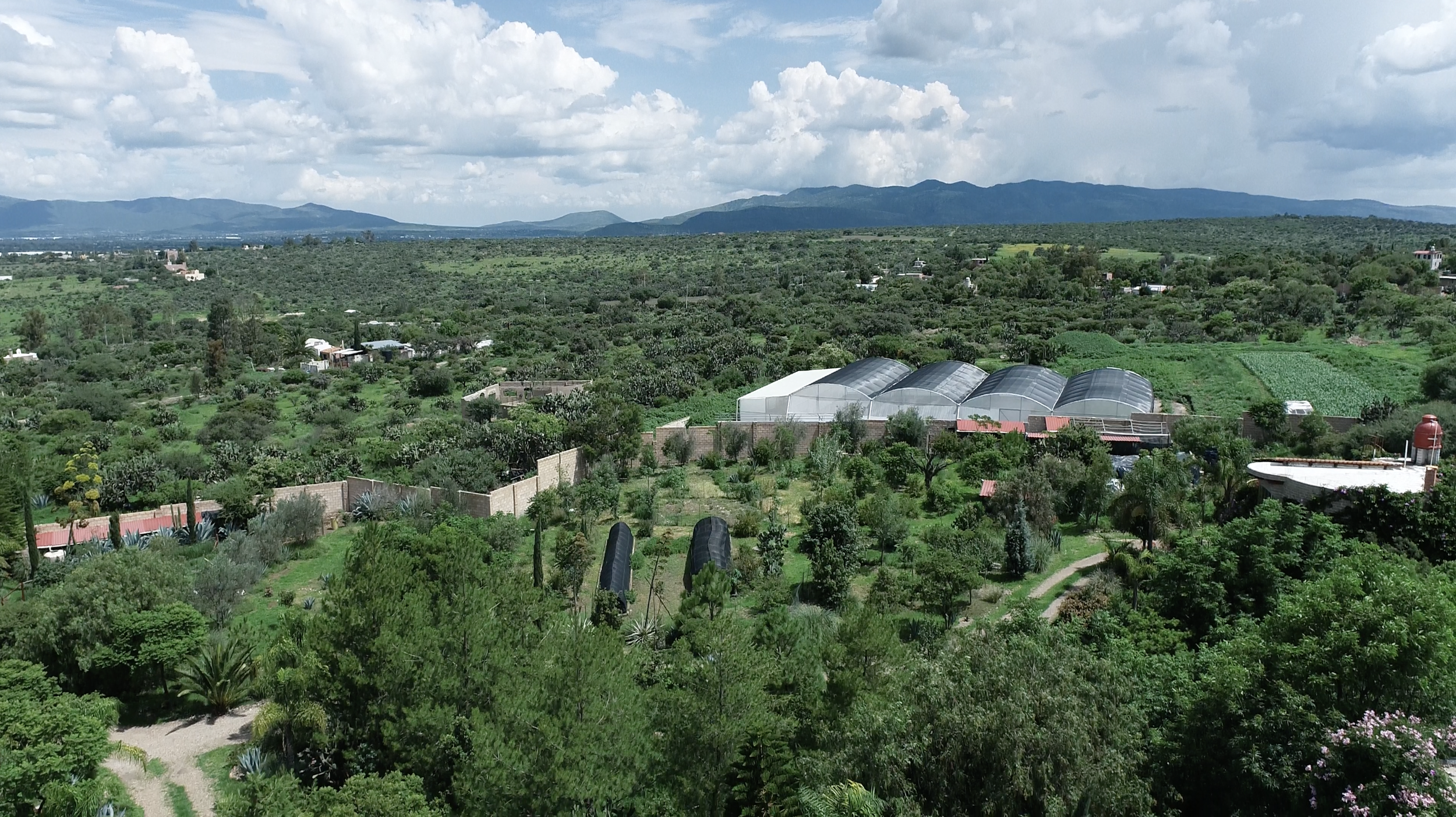
As of 2026, new Tikkun infrastructure will serve as a sustainable regional center for the harvesting and propagation of native seed species.
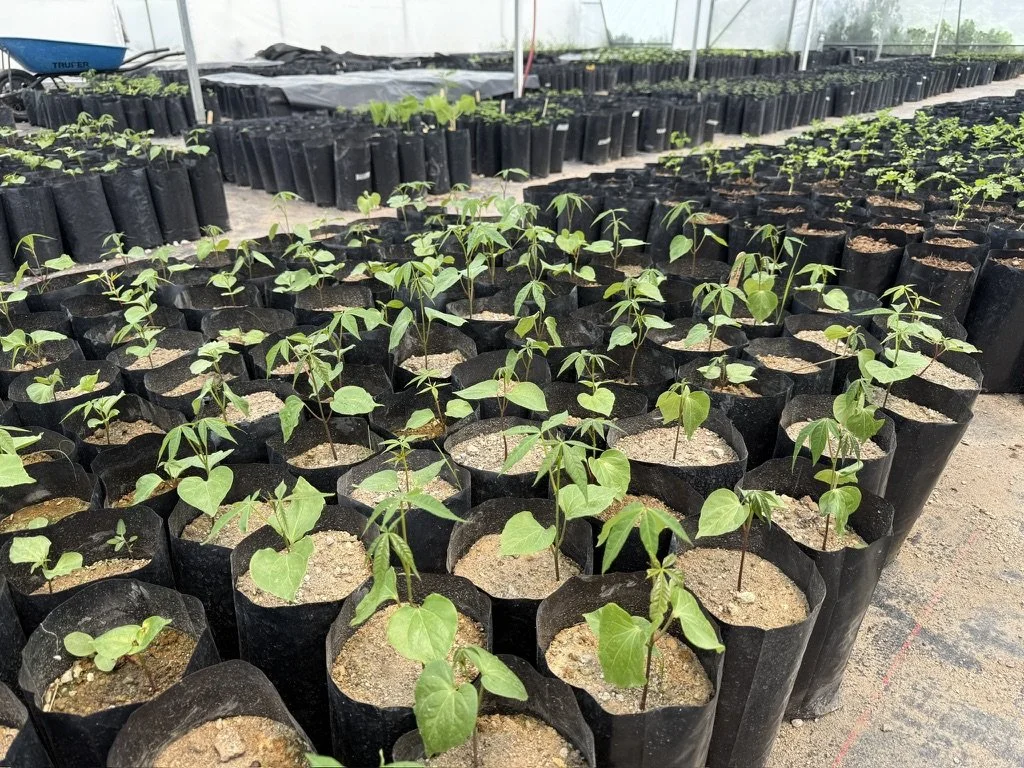
The one million saplings we are planning to produce will be delivered to our reforestation and watershed restoration projects over the coming decade.
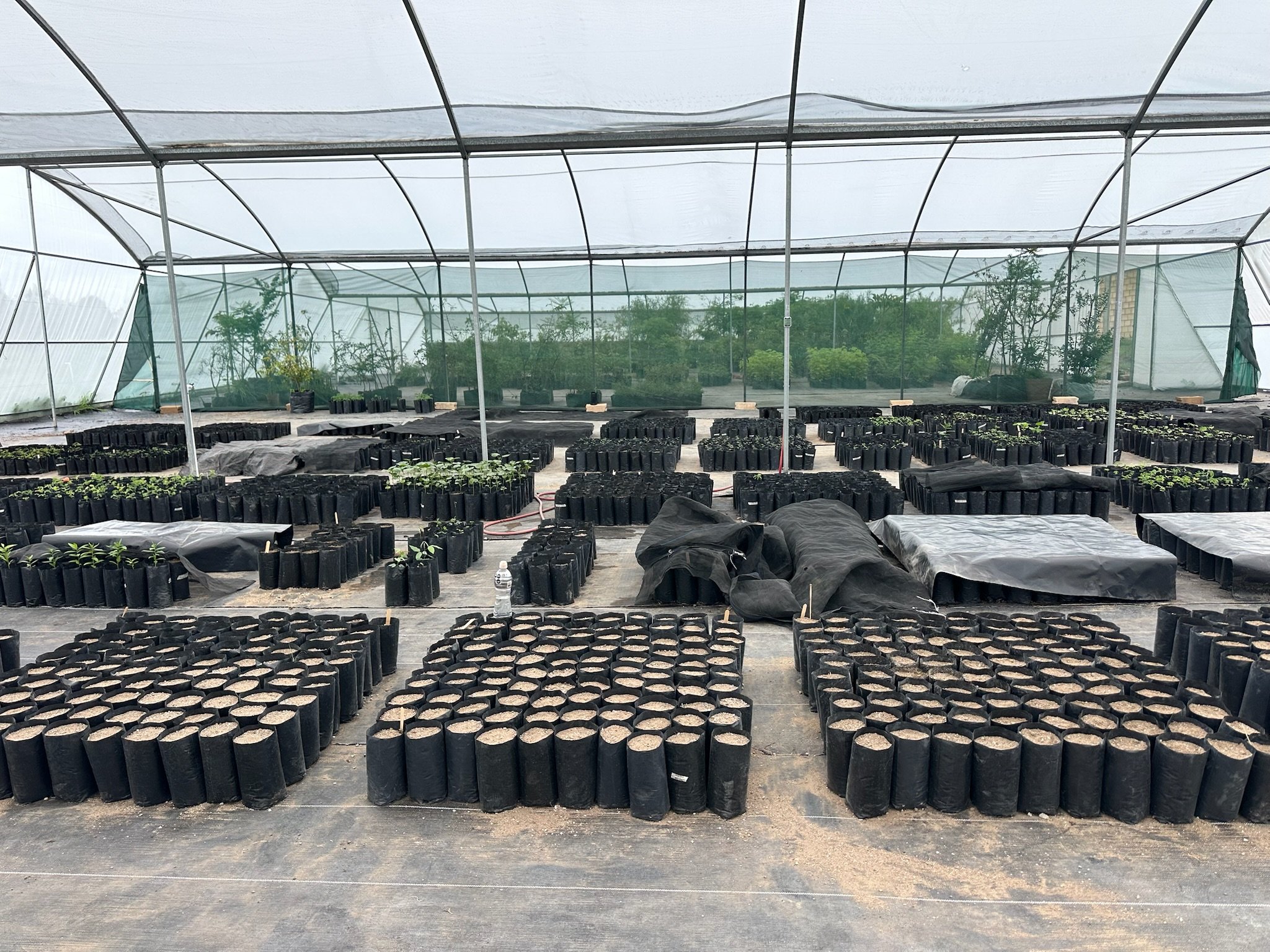
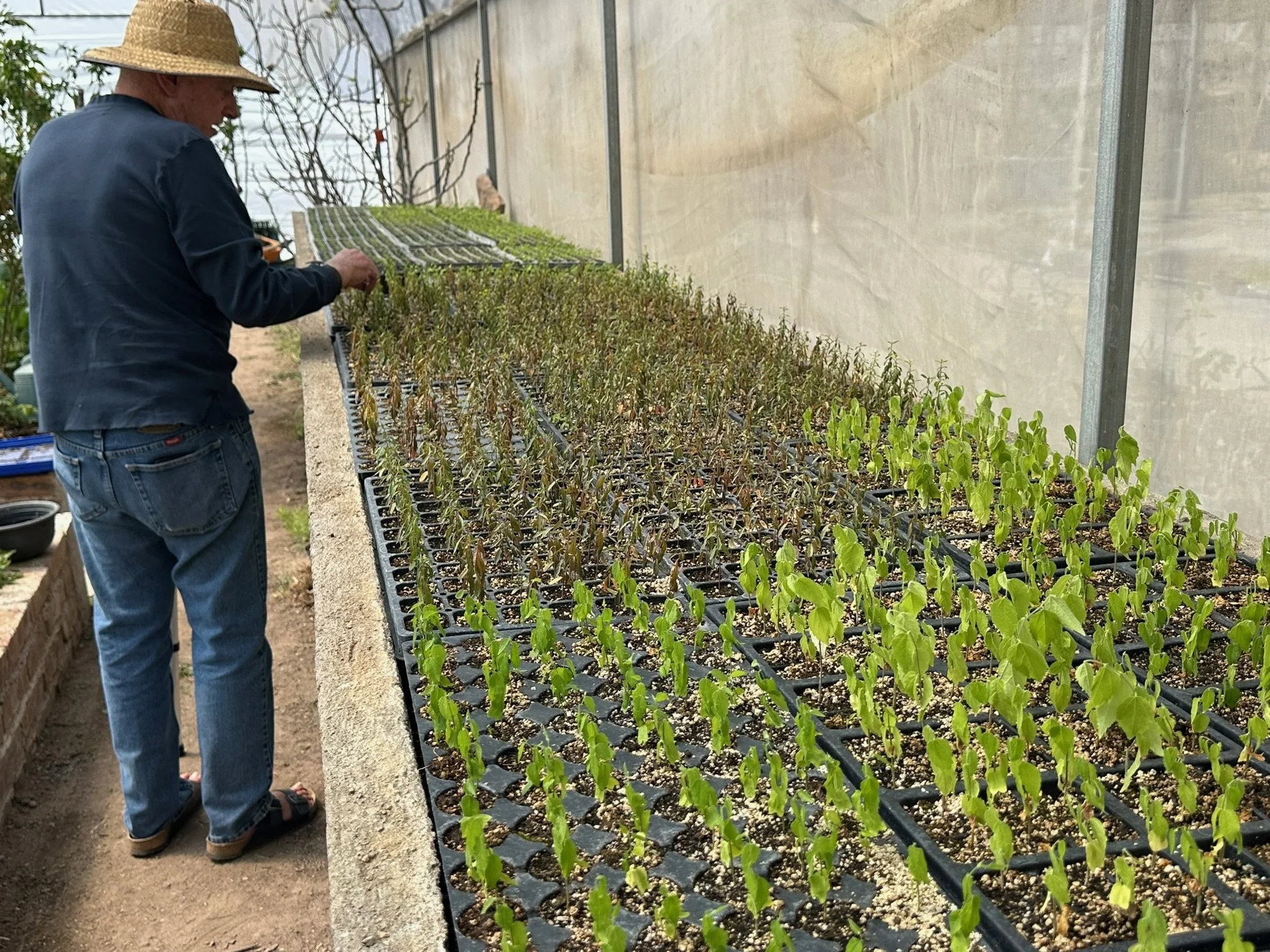
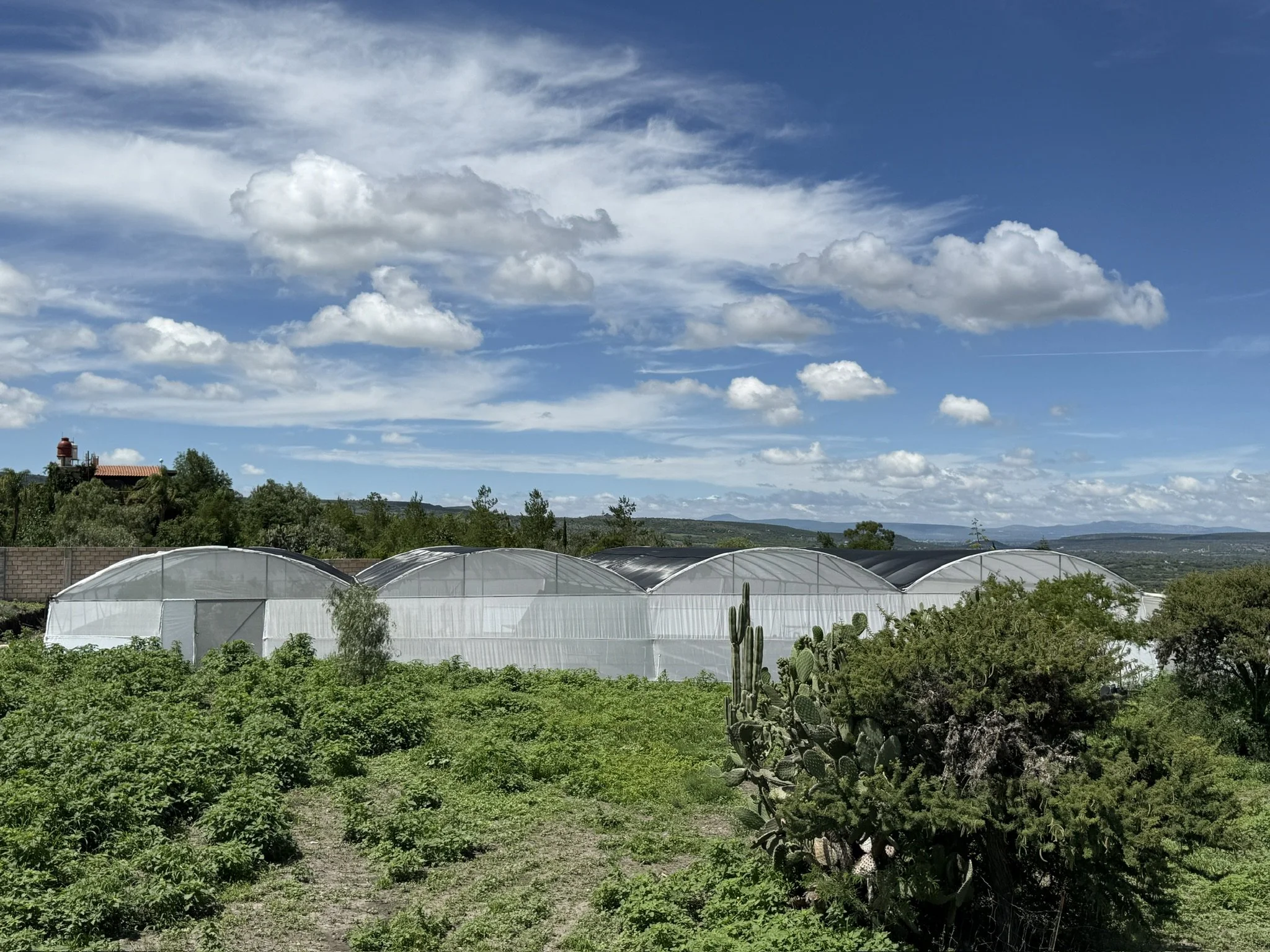
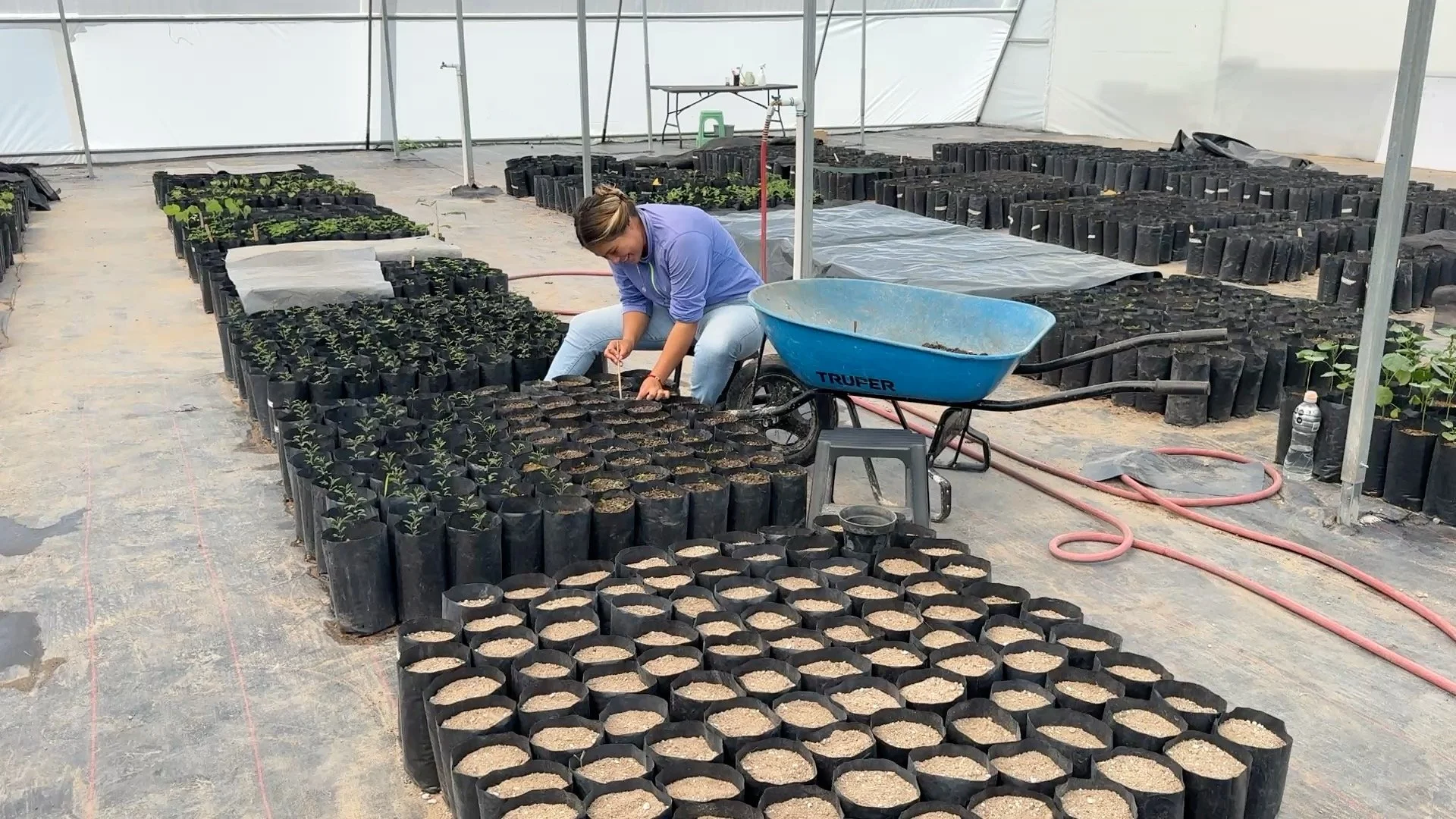
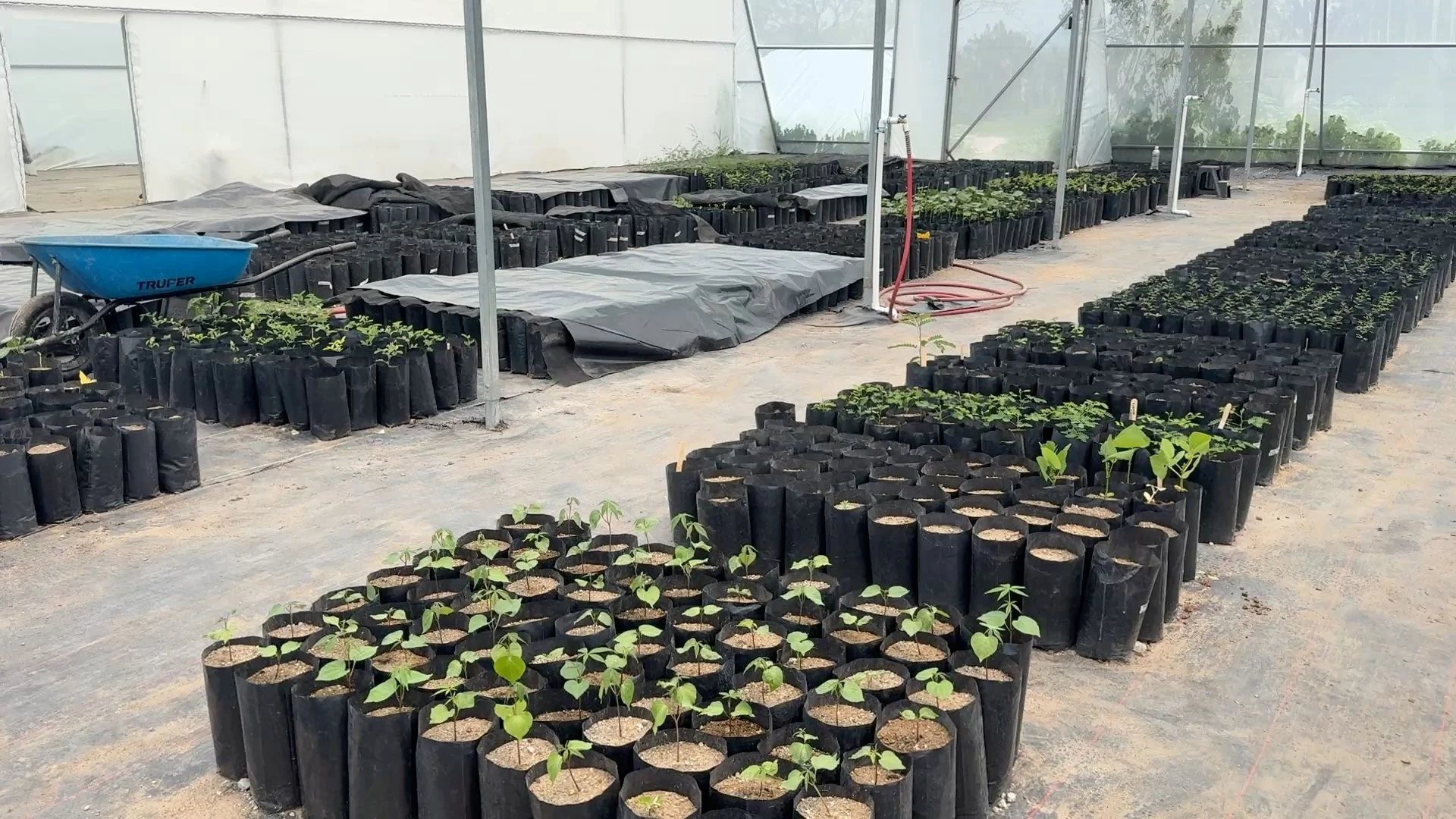
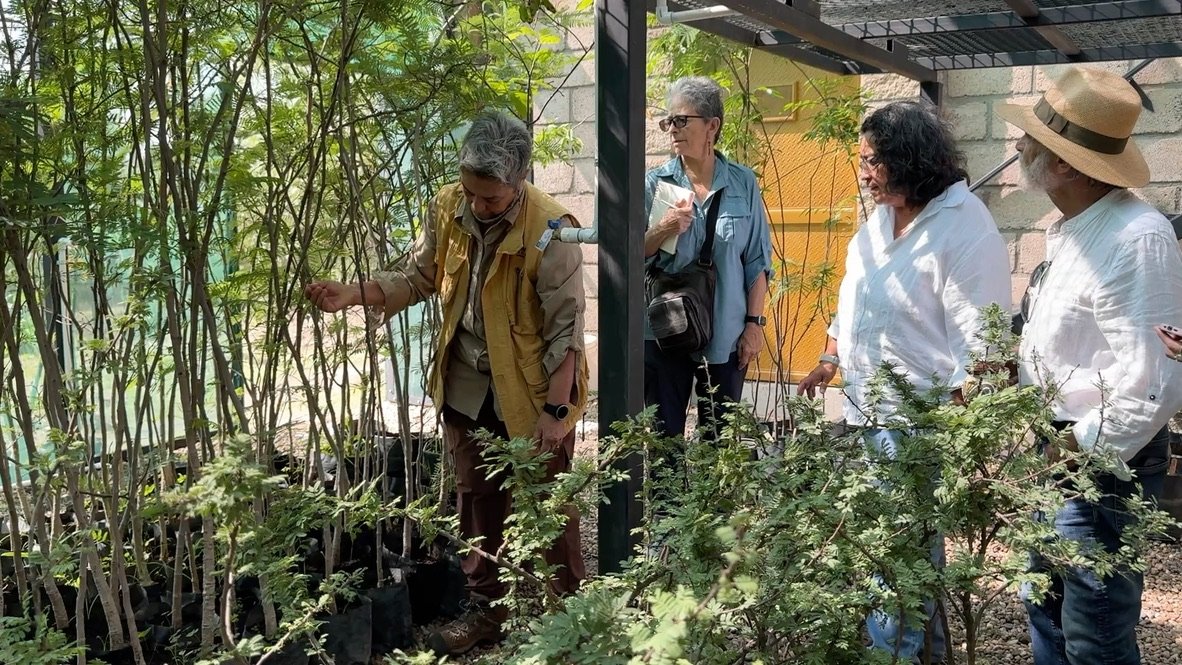
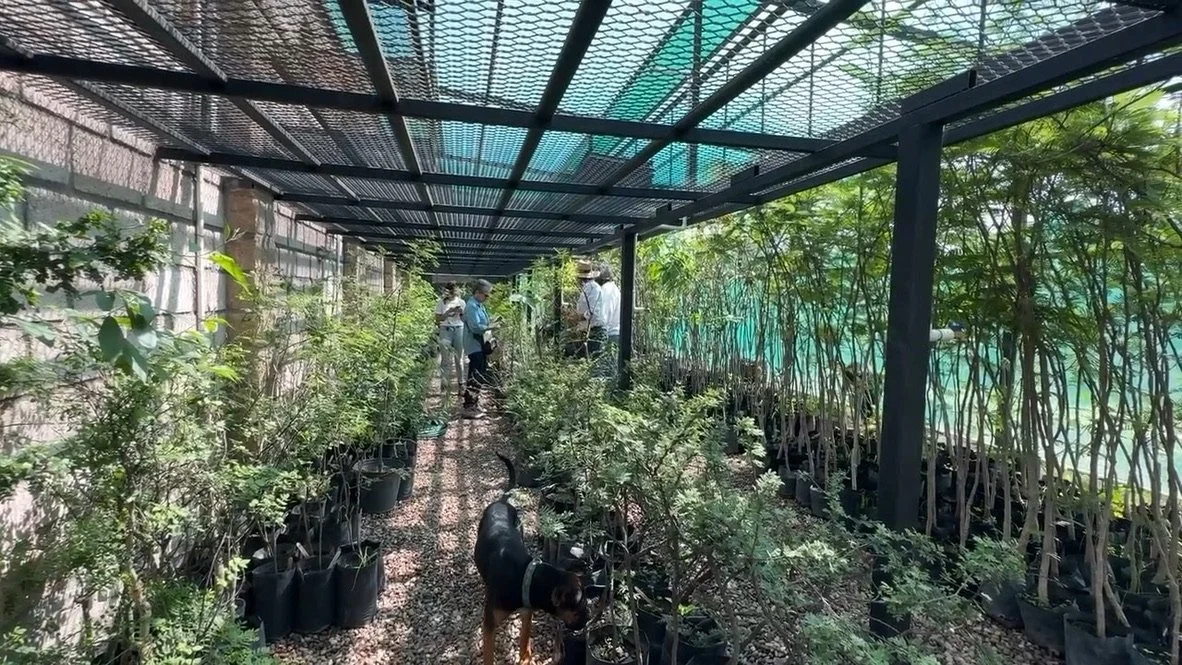
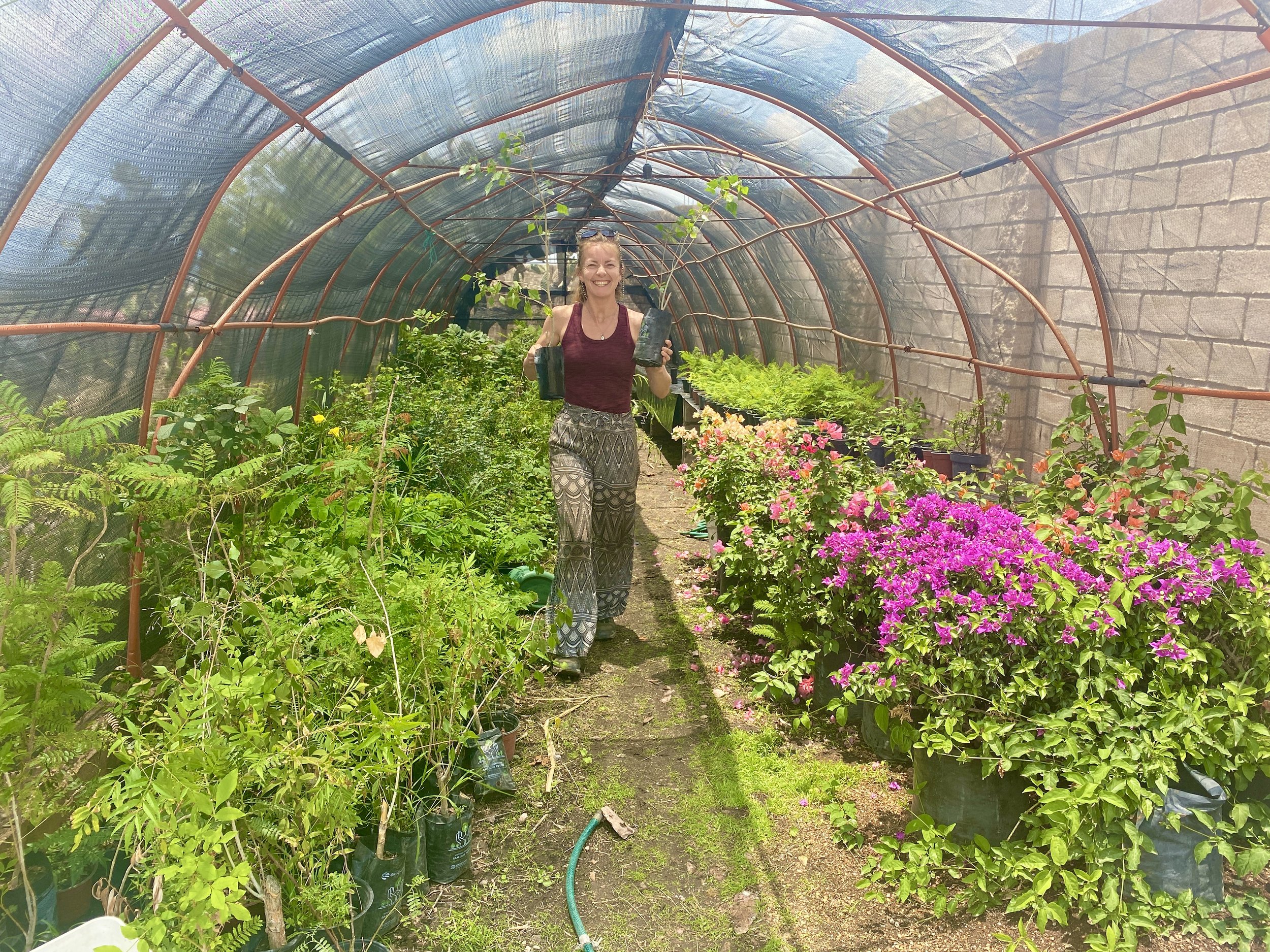
Our three new greenhouses, completed in Spring, 2026, have a total capacity for propagating up to 50,000-75,000 native trees and shrubs per year. Our recently completed a 1.2 million liter pond now captures rains from the roofs of all our greenhouses and supports irrigation of our saplings.
Our propagation work is guided by our partners at Arboceta Mexicana and Dra. Rosario Terrones, a leading expert in native and endemic species of the state of Guanajuato. We are assisted by expert arborist Louis Franke with decades of experience in large scale production for his many local viveros.
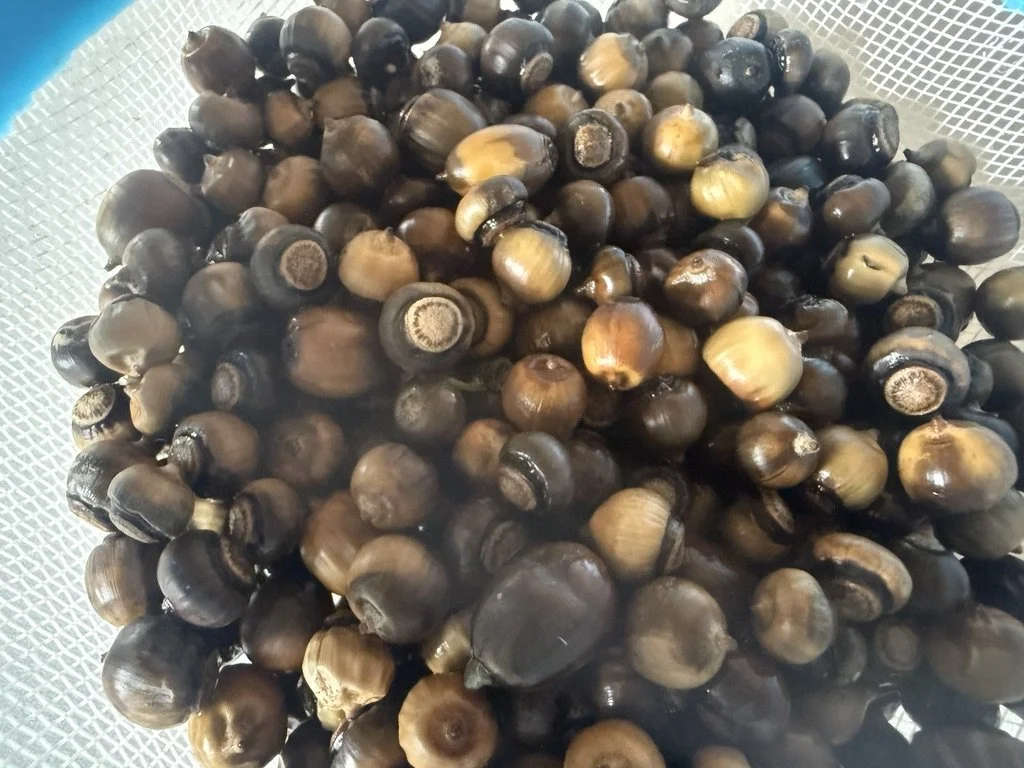
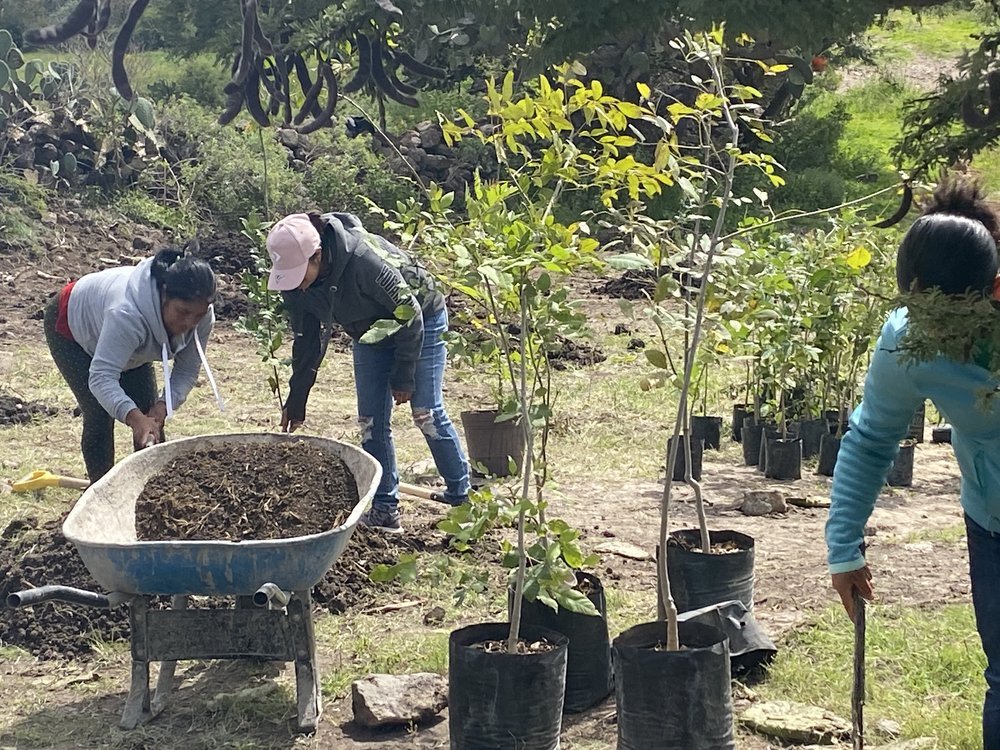
The Planting for Change project has accumulated over 100,000 native tree and shrub seeds. In our first year we have successfully propagated over 15,000 seeds. In 2026 we plan to plant over 6,000-8,000 trees, cacti and shrubs at the Tikkun Institute, and at our community reforestation projects.
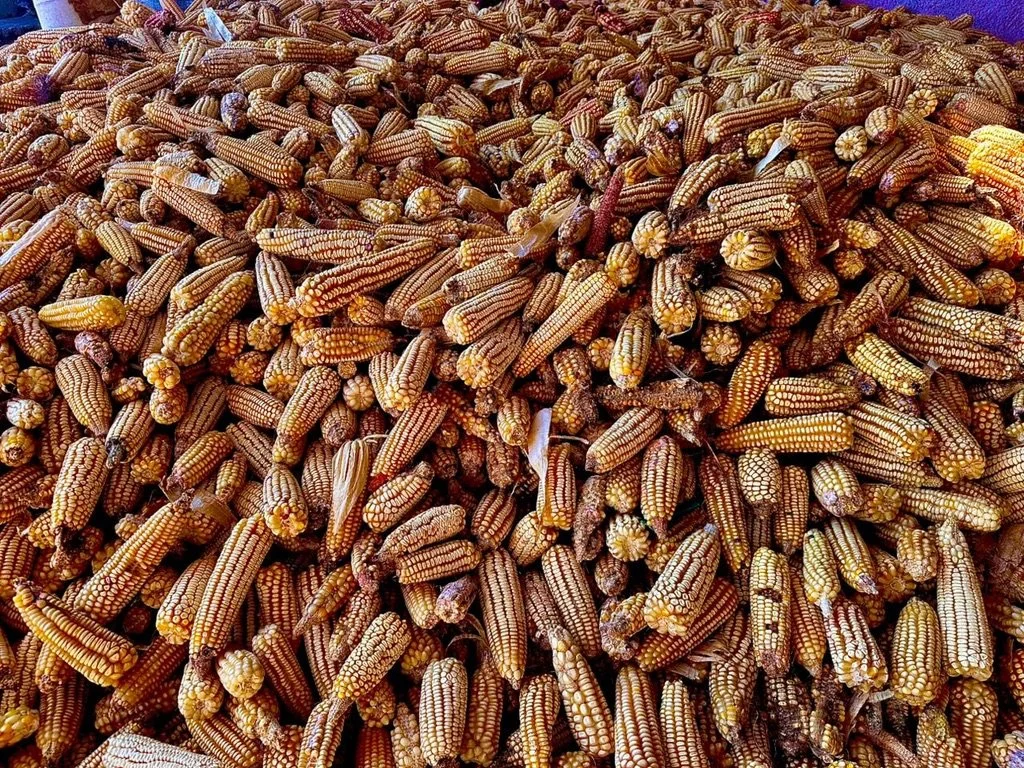
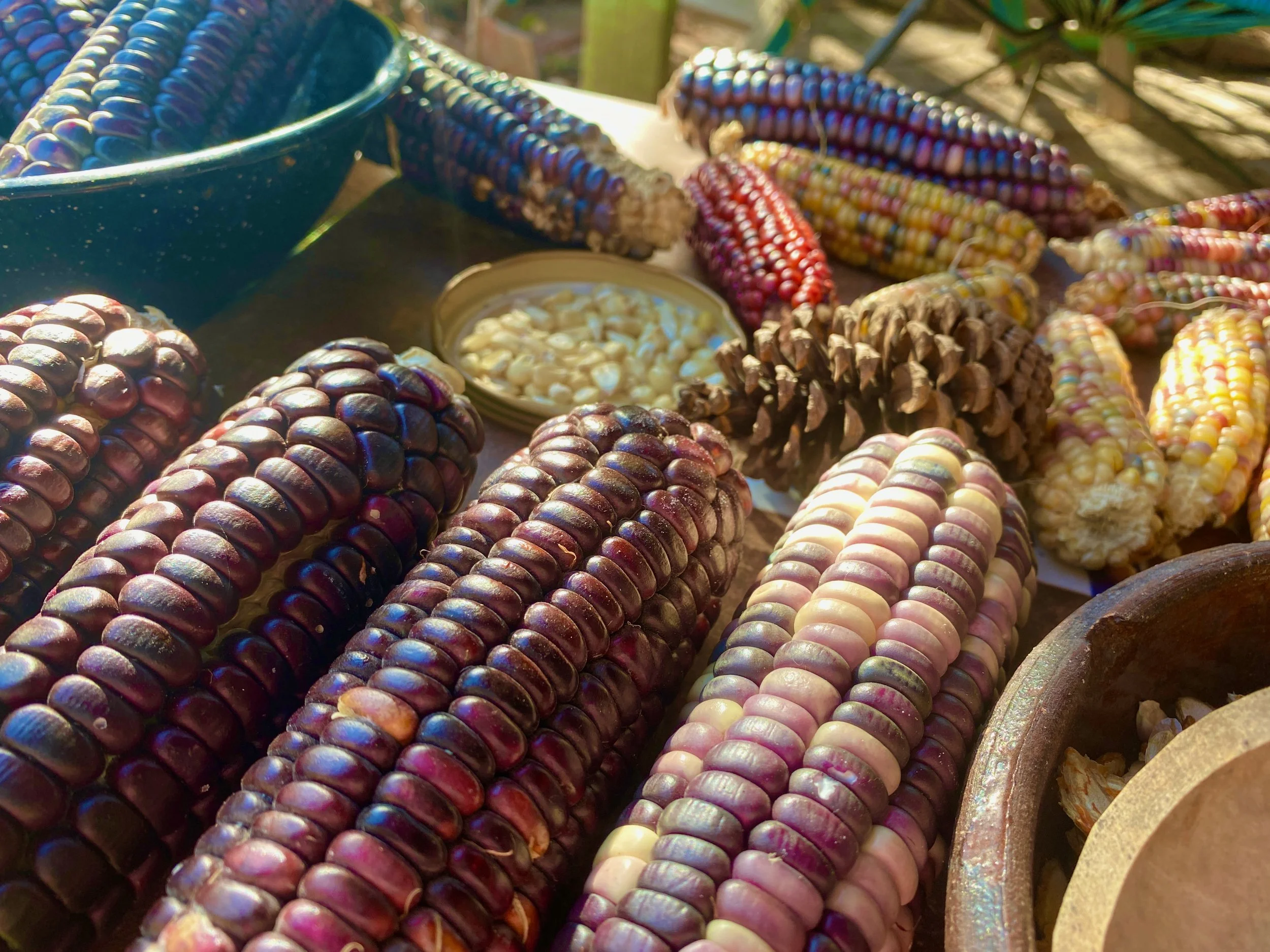
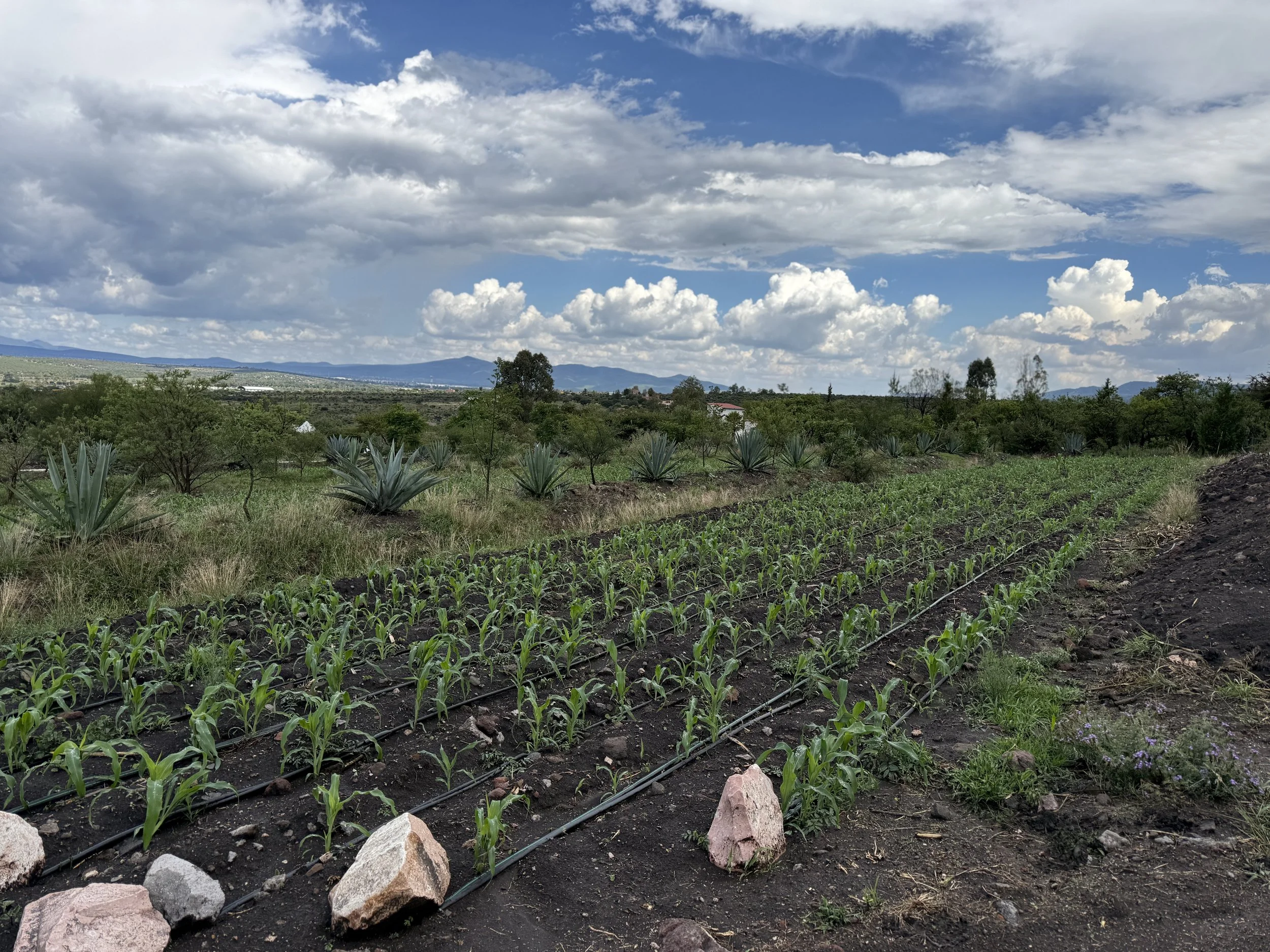
At the same time we are using our own fields to develop a seed bank collection of native, drought resistant criollo maize of blue, black, red, yellow and white varieties, to assist local farmers who lost their seeds during the last drought. Many were given inappropriate seeds by government agencies which were unable to produce a harvest.
We will share seeds with our community farming partners who are developing agroforestry techniques in their milpas.
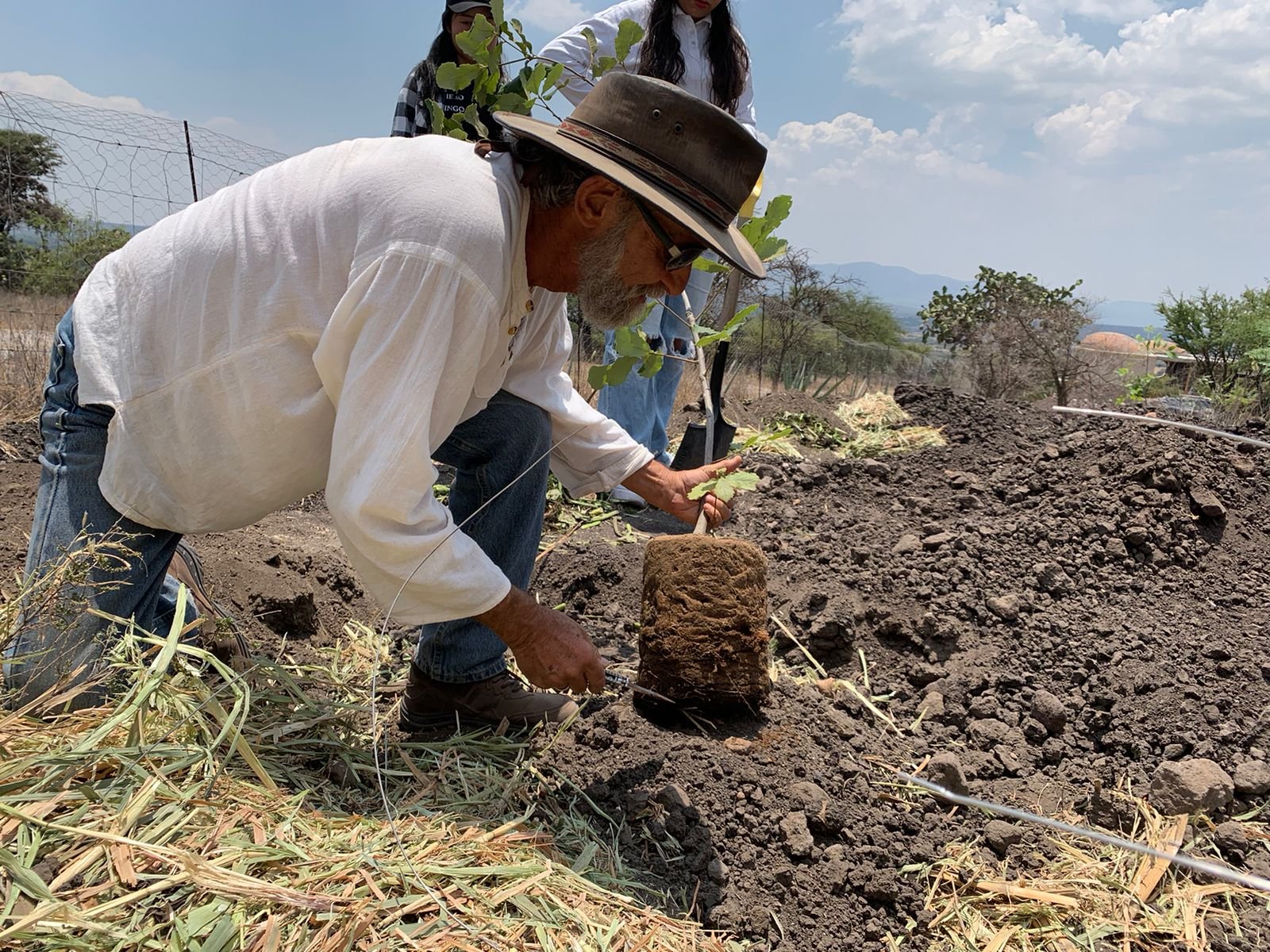
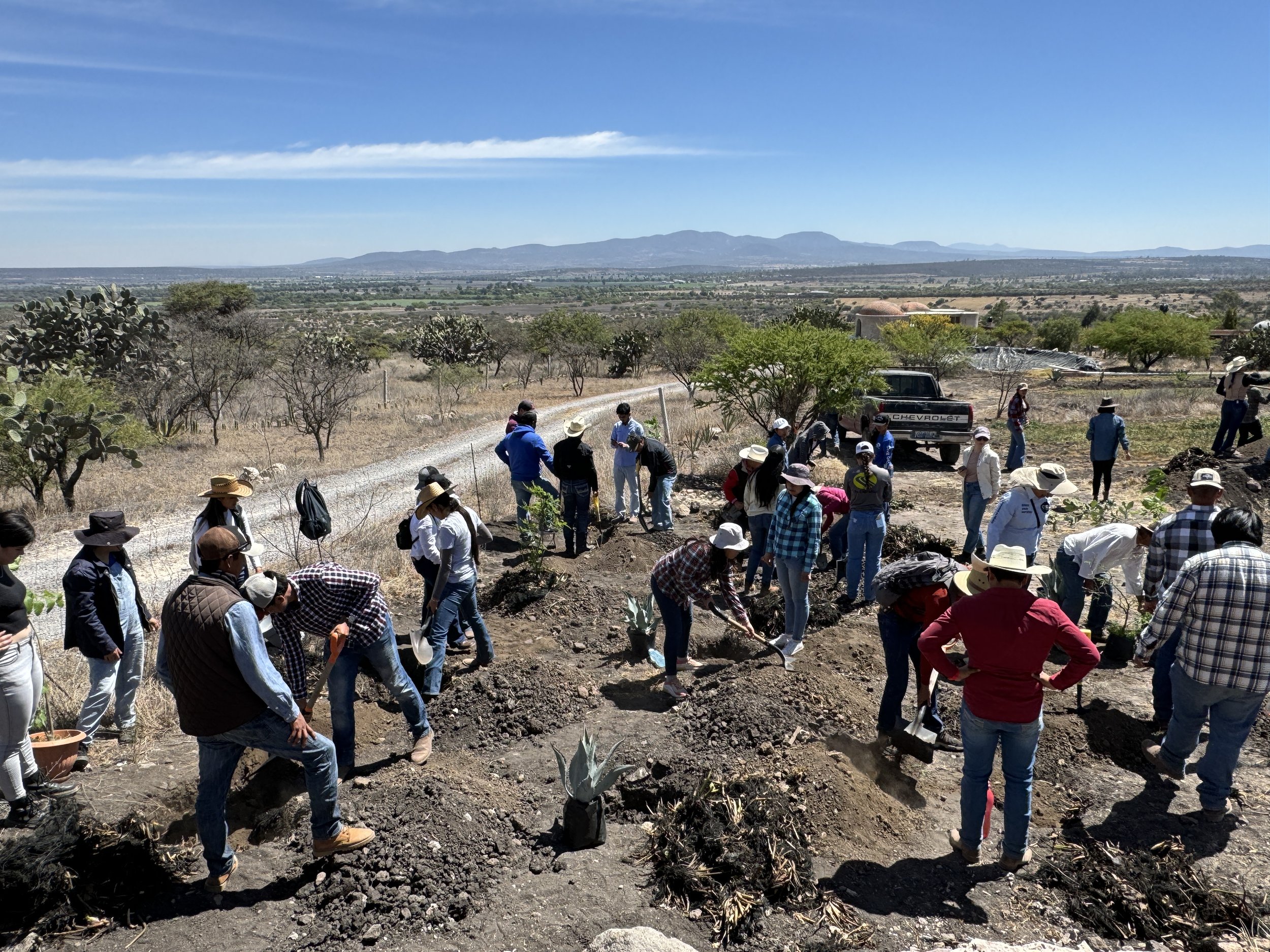

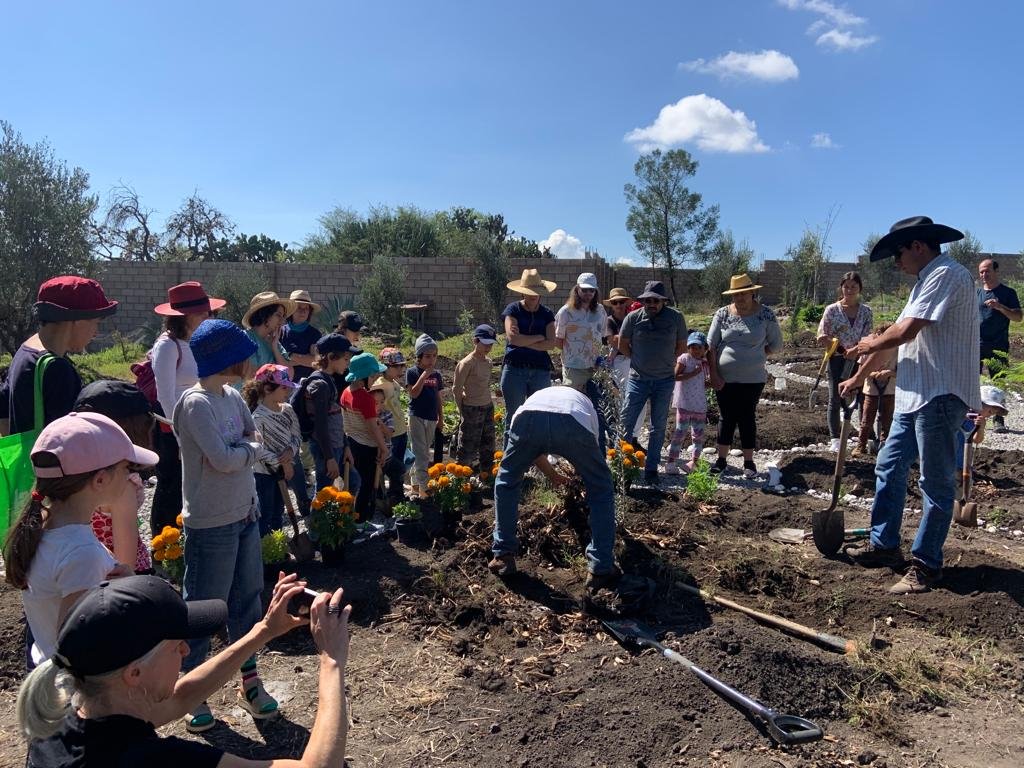

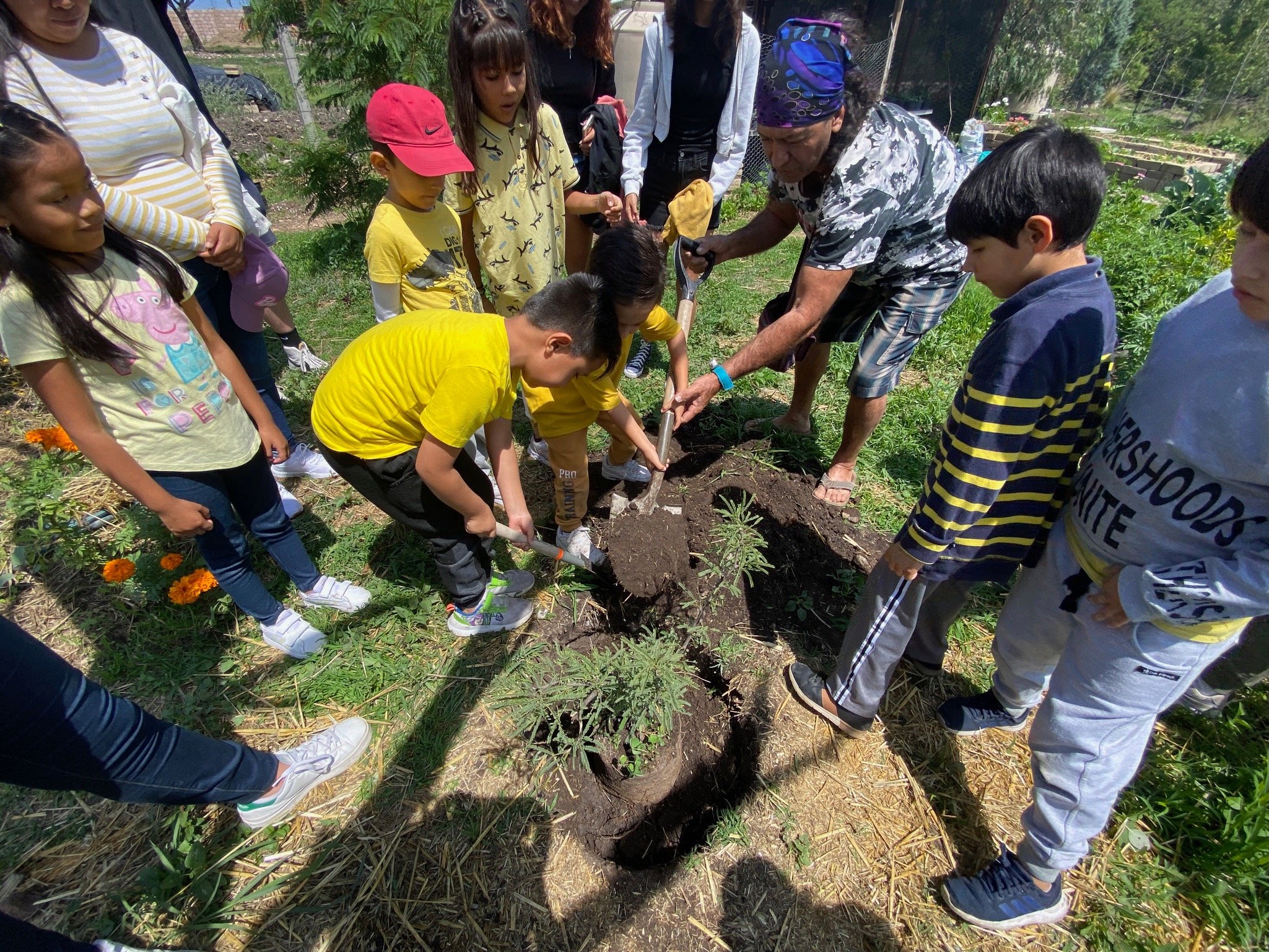


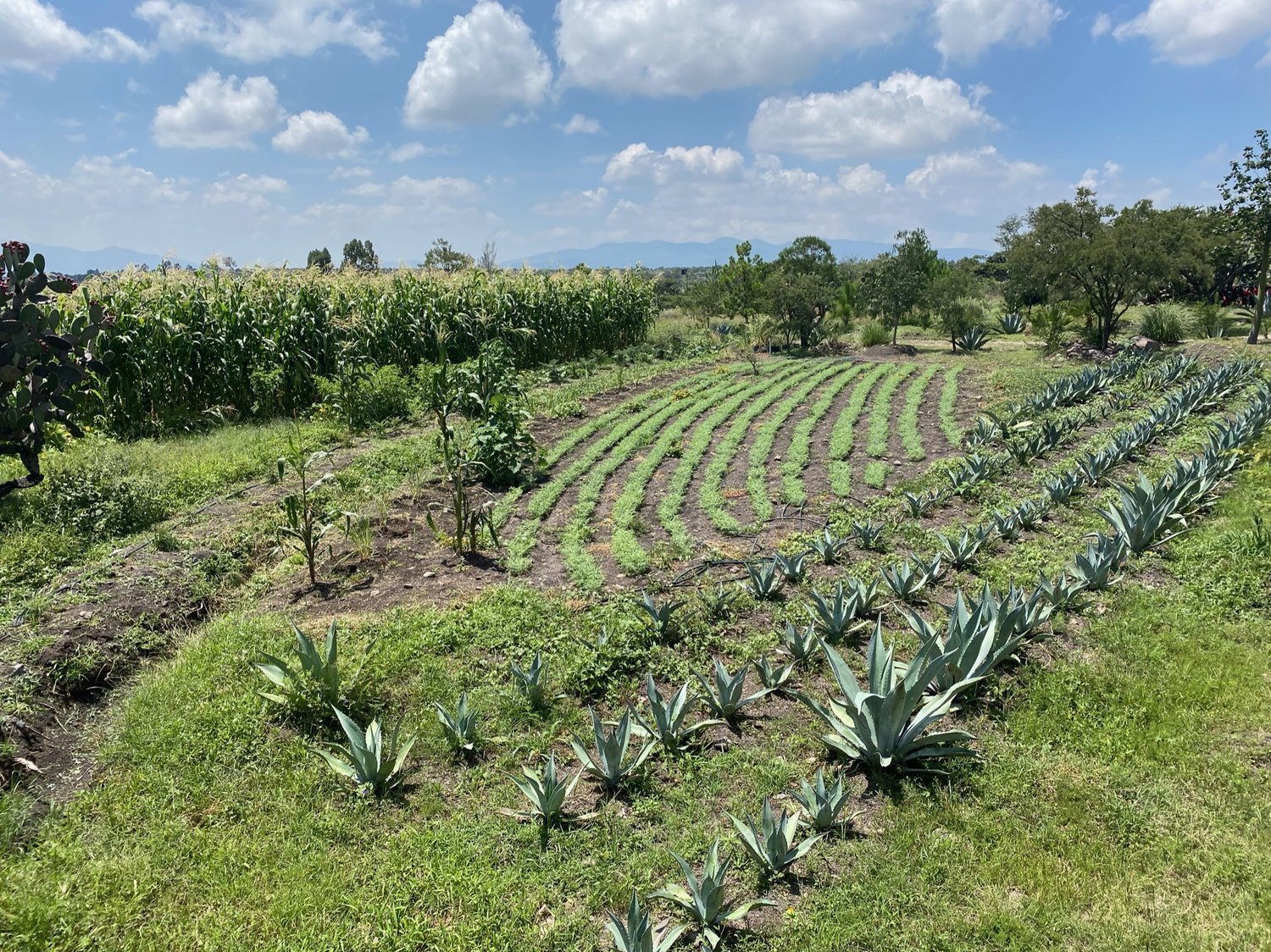
Reforestation and Agroforestry at Tikkun
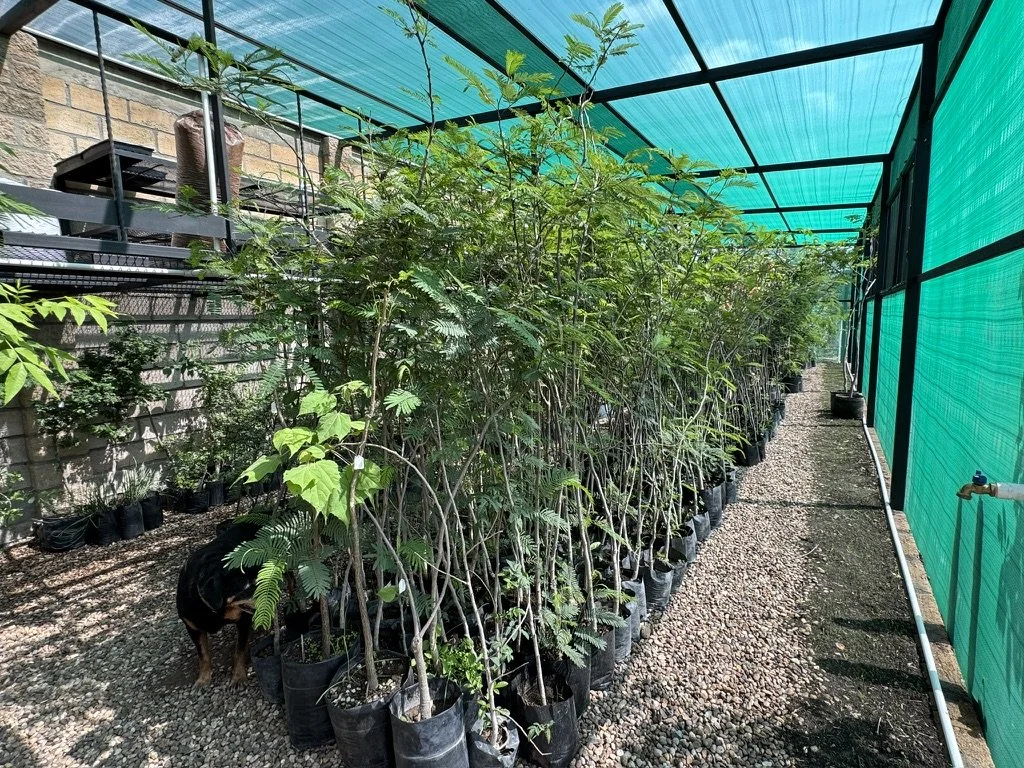
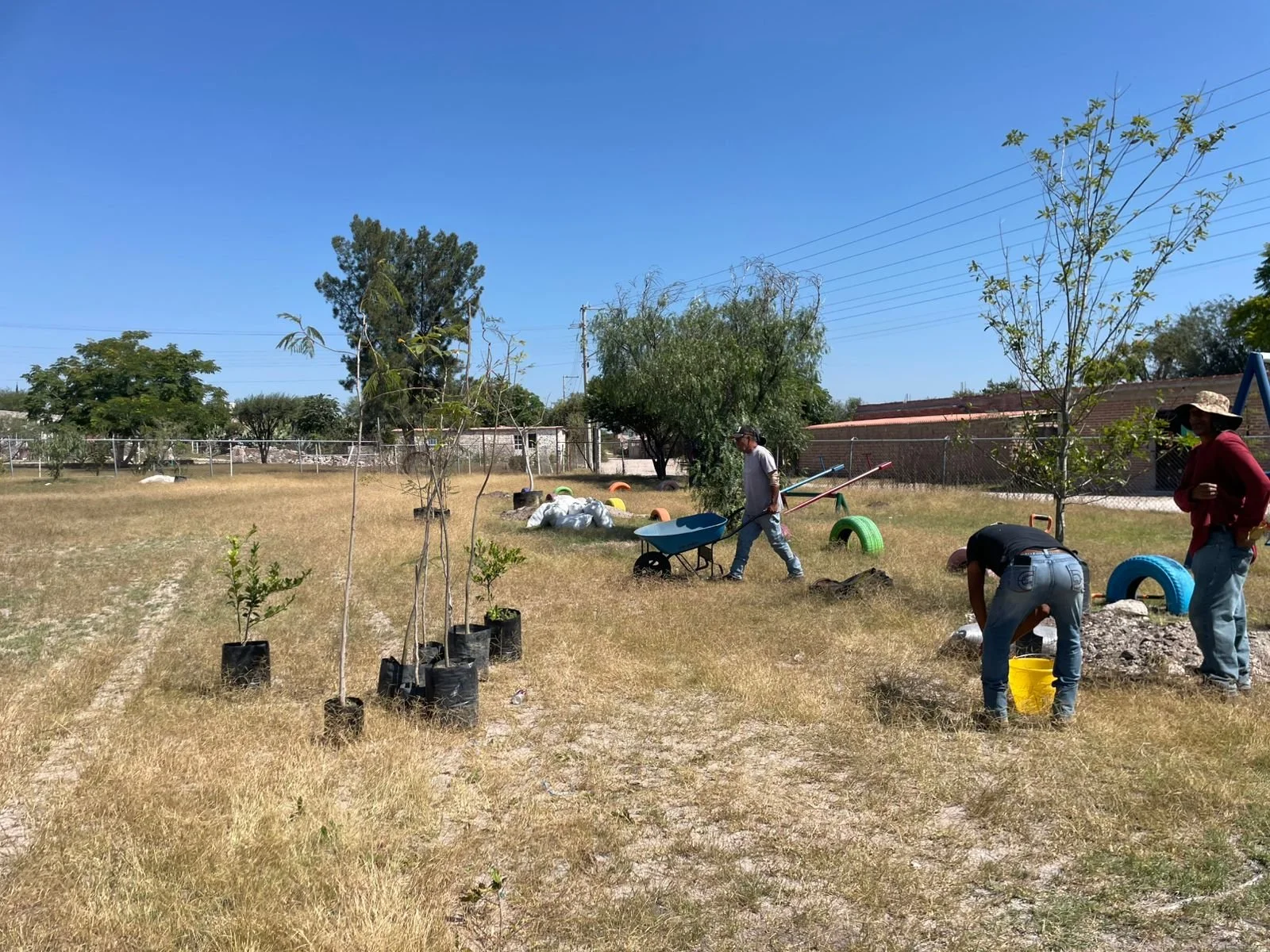
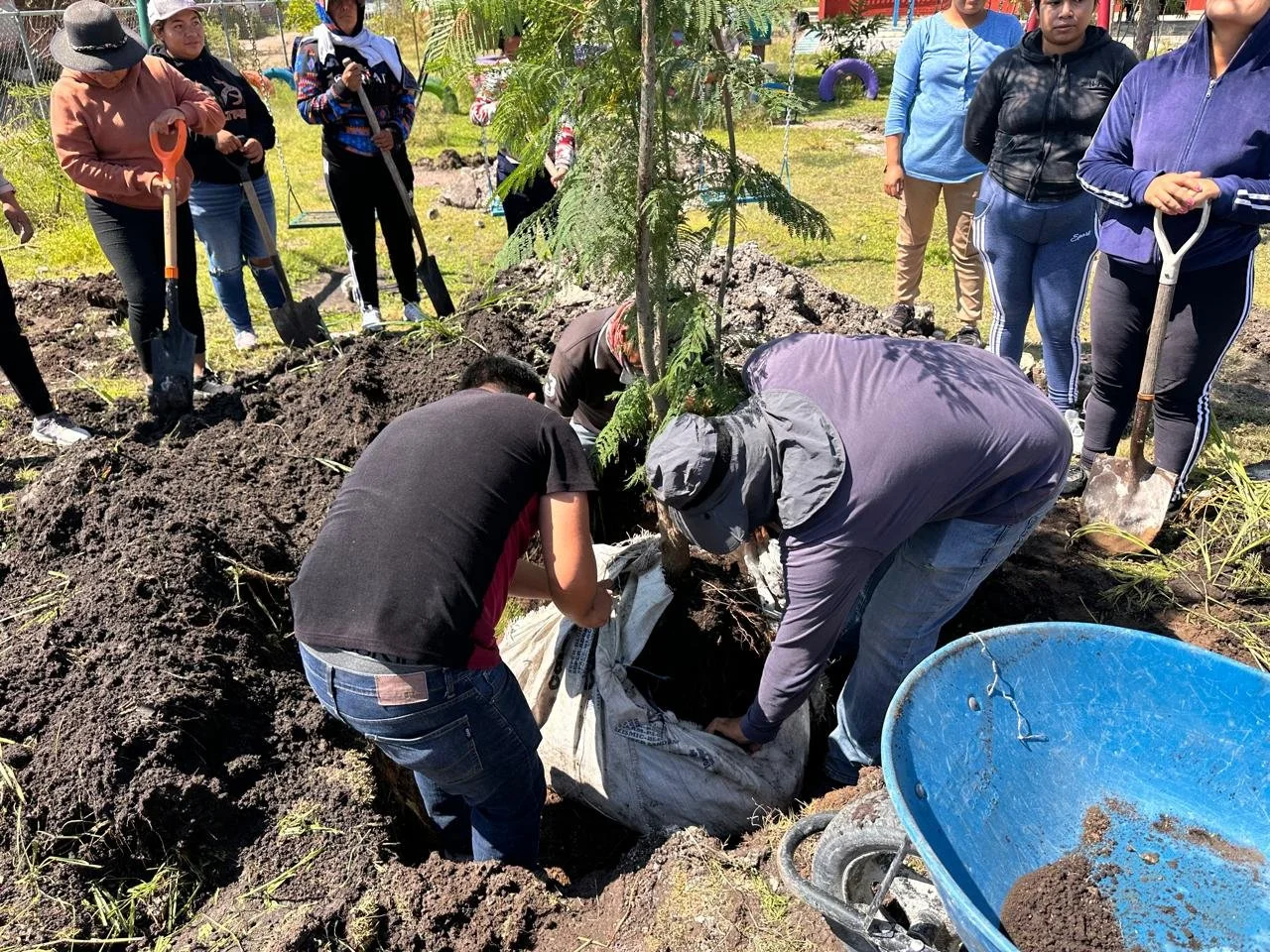
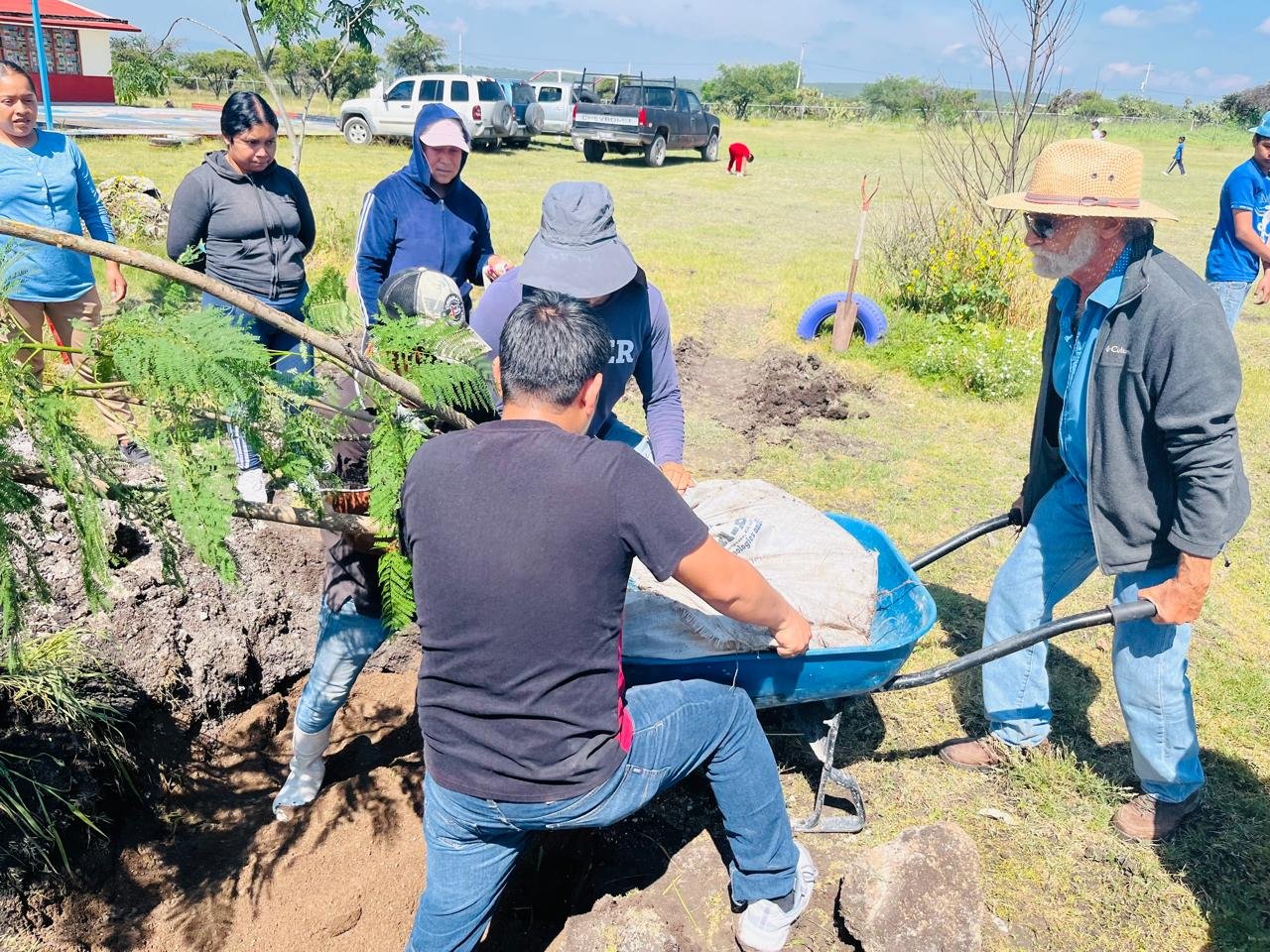
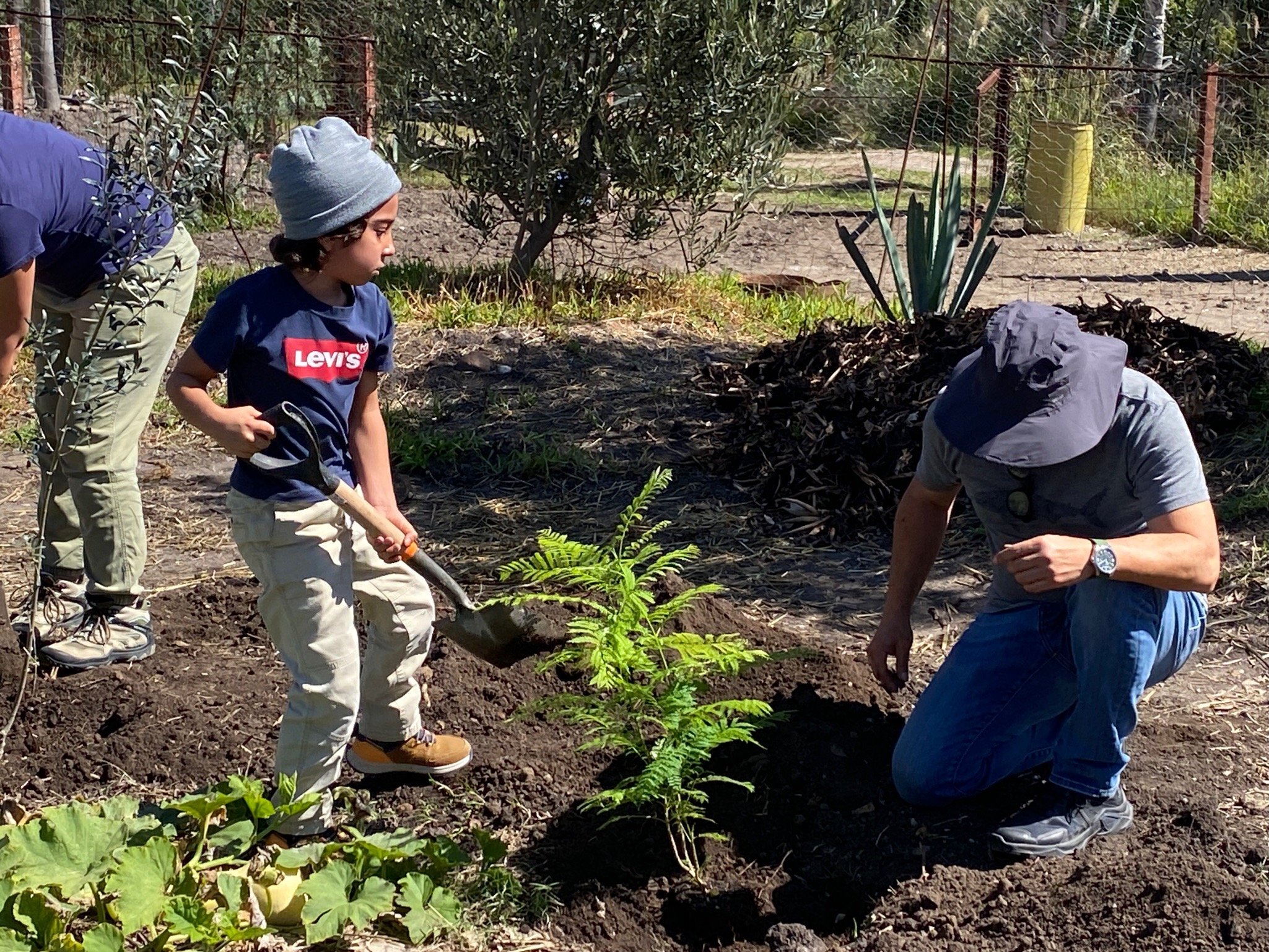
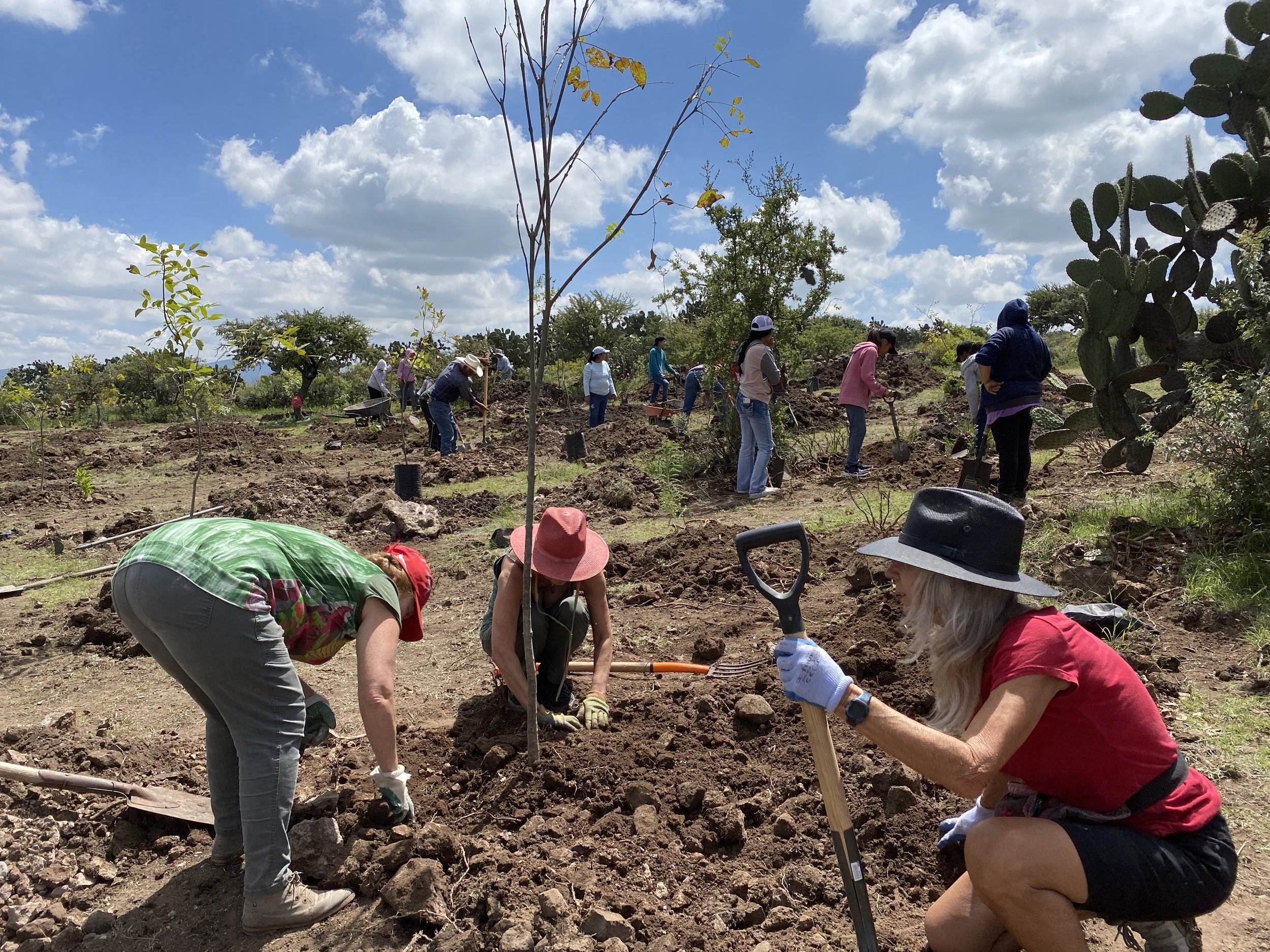
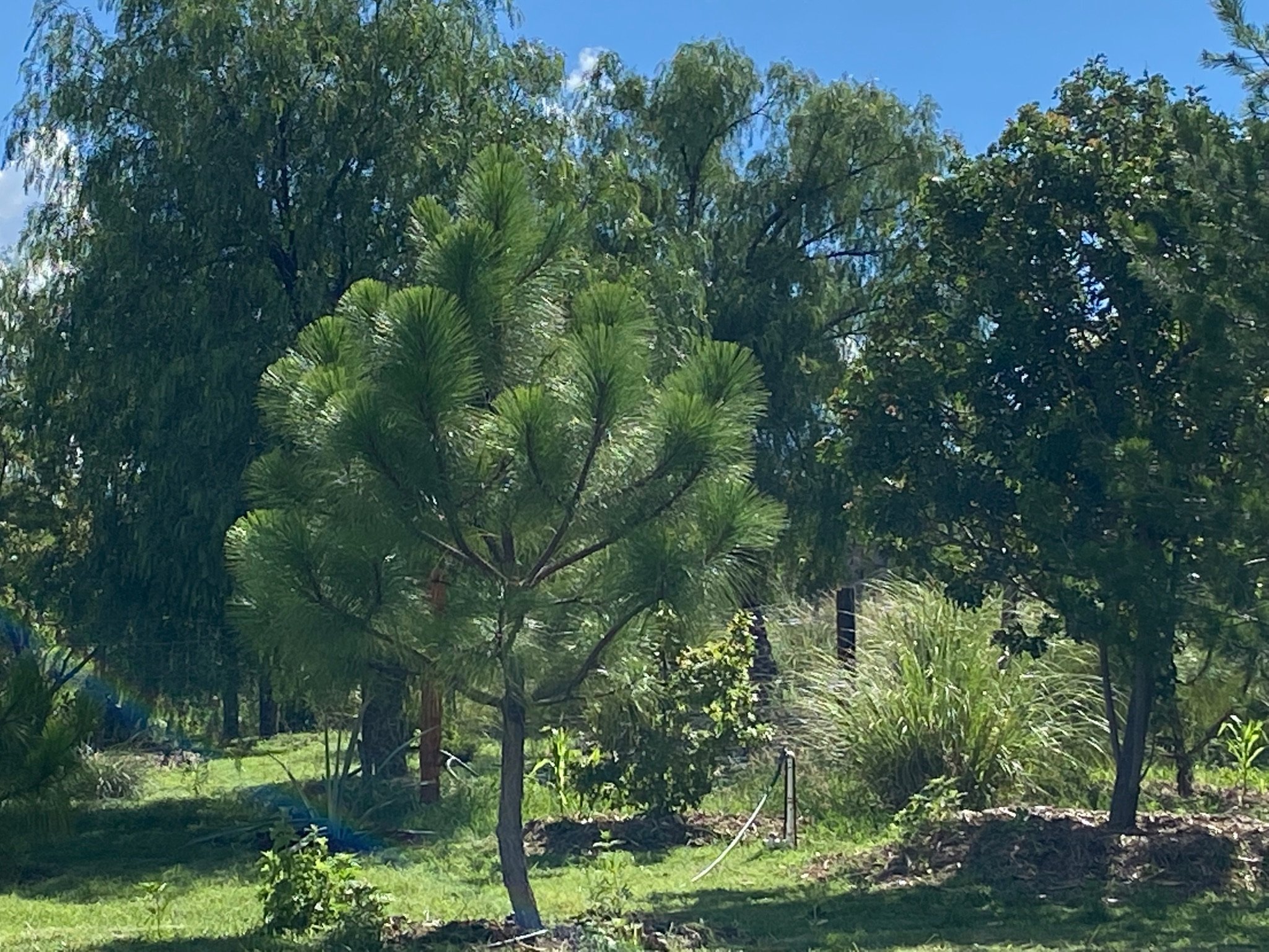
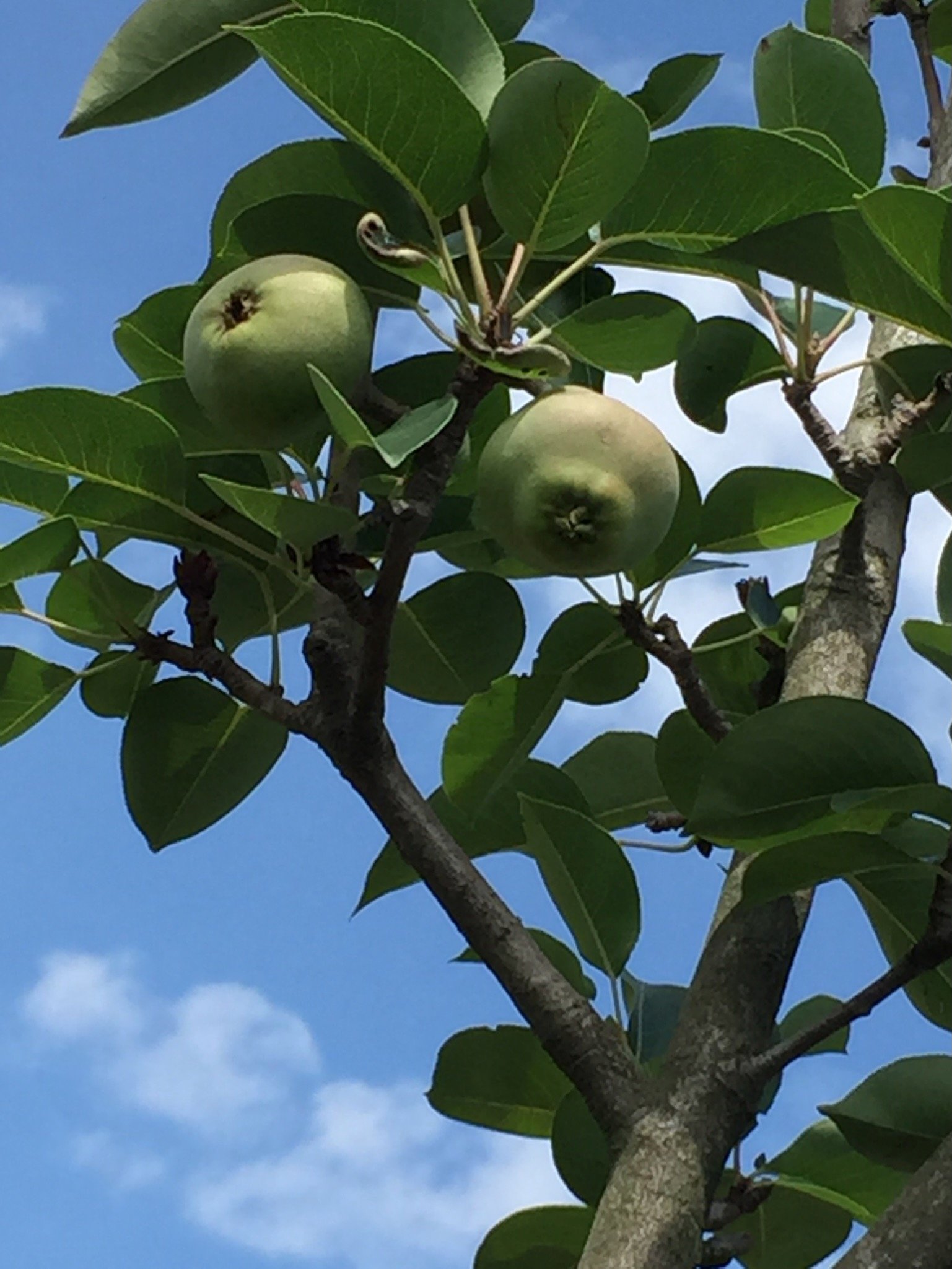
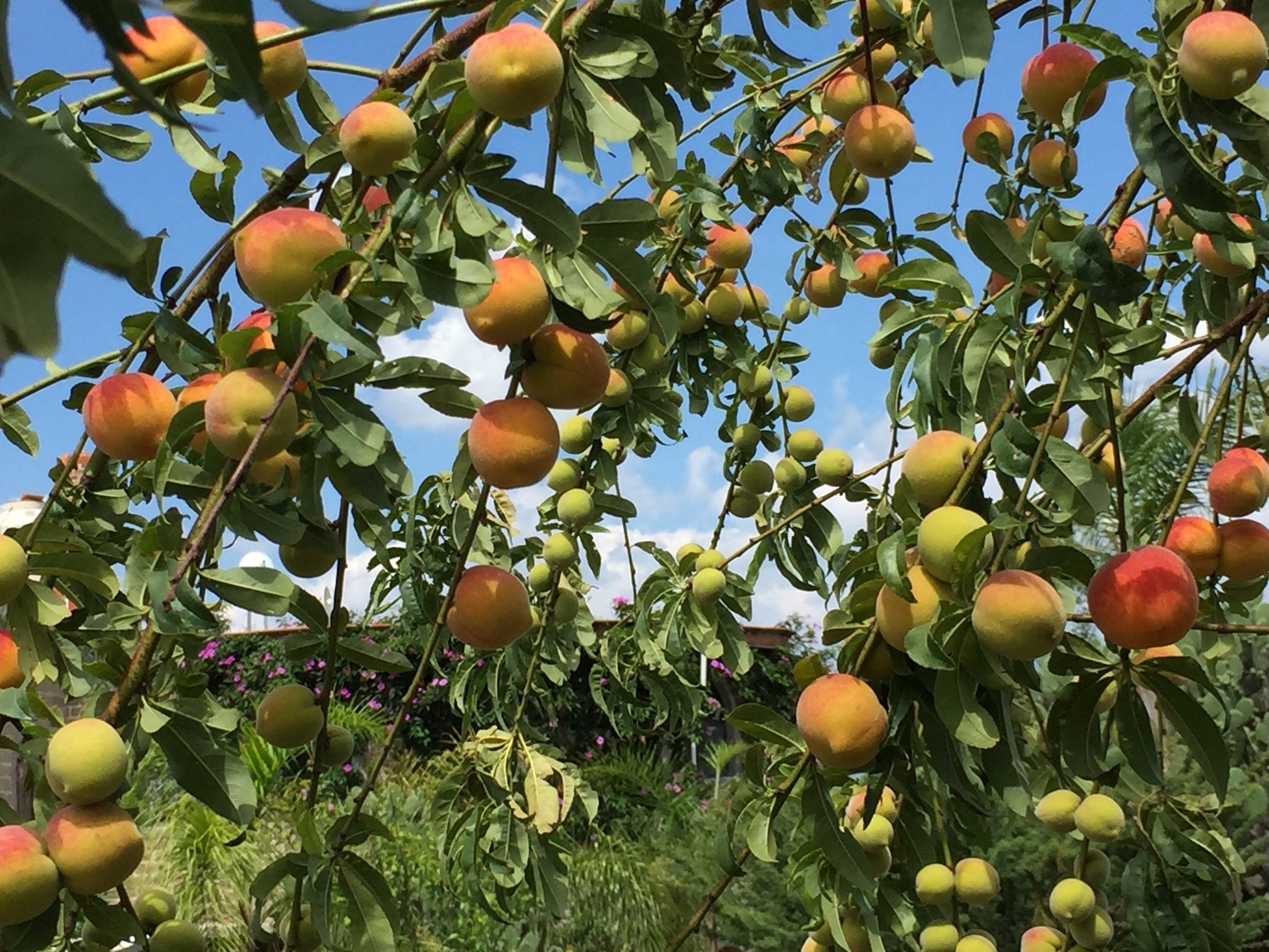
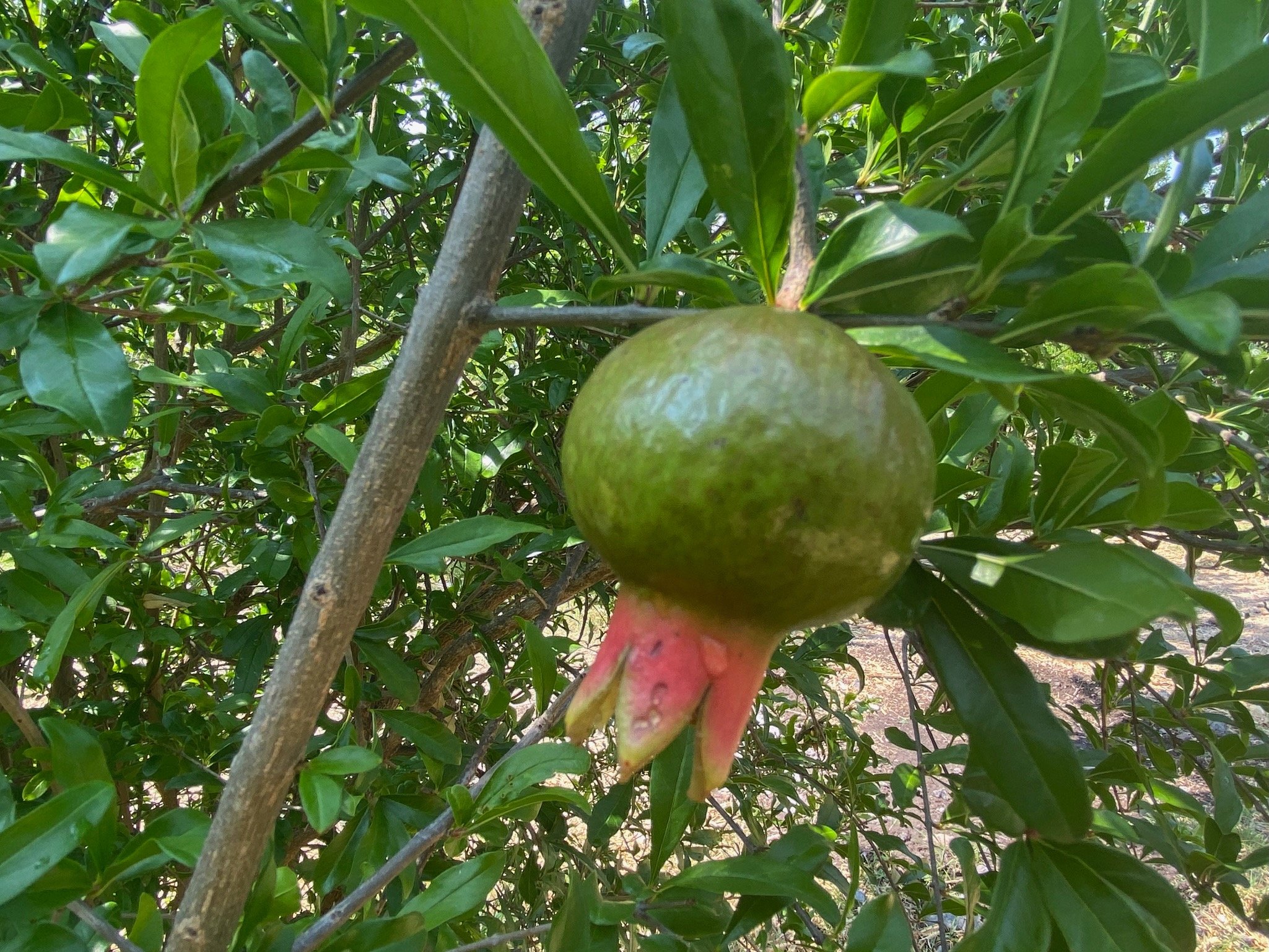
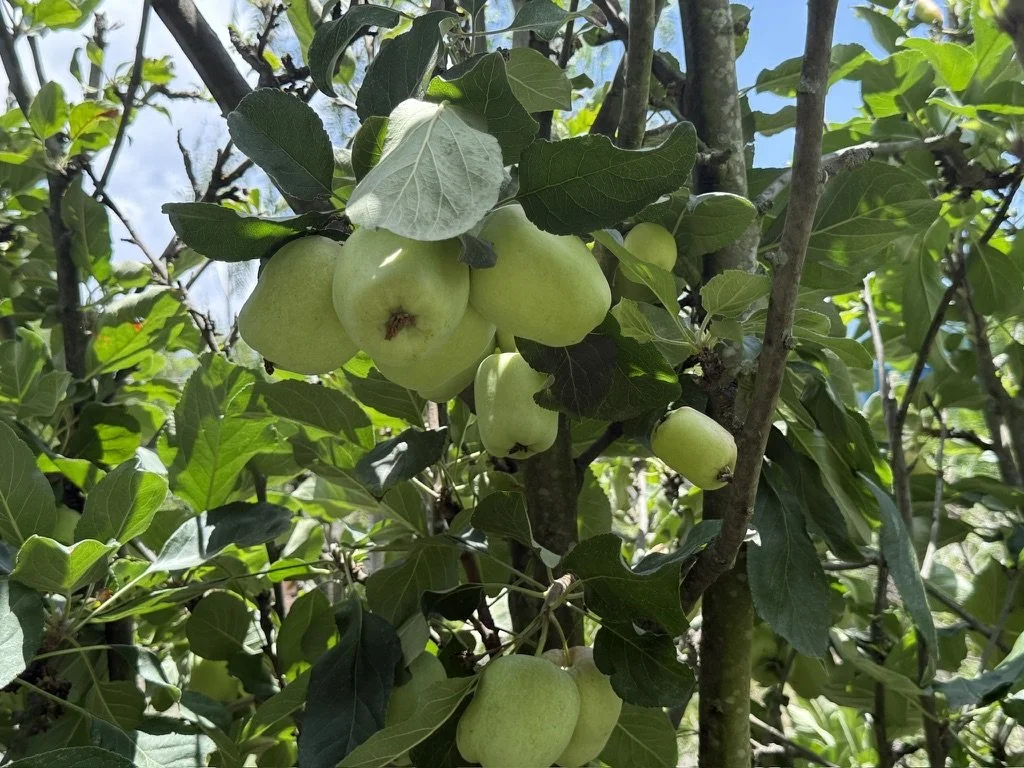
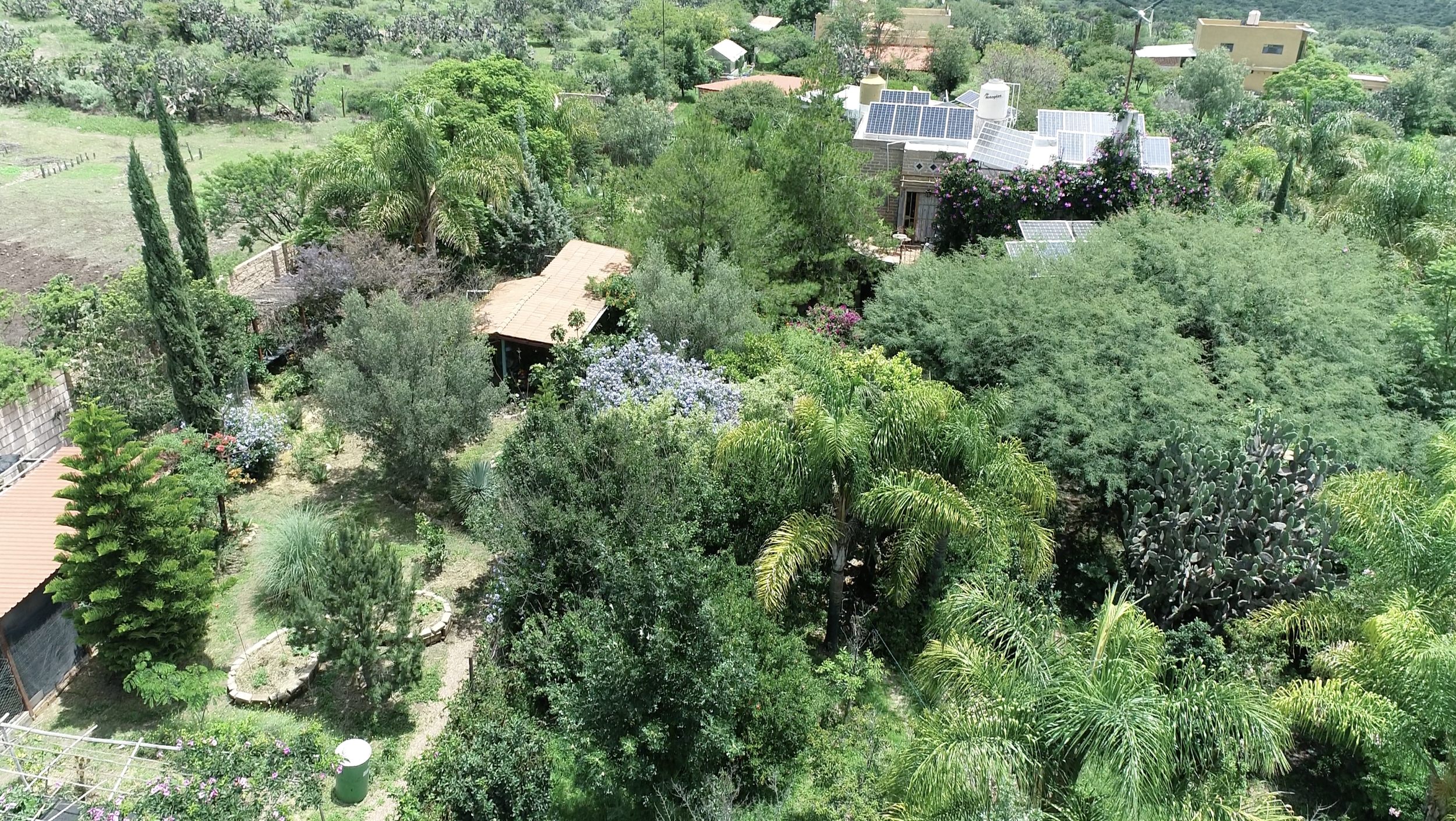
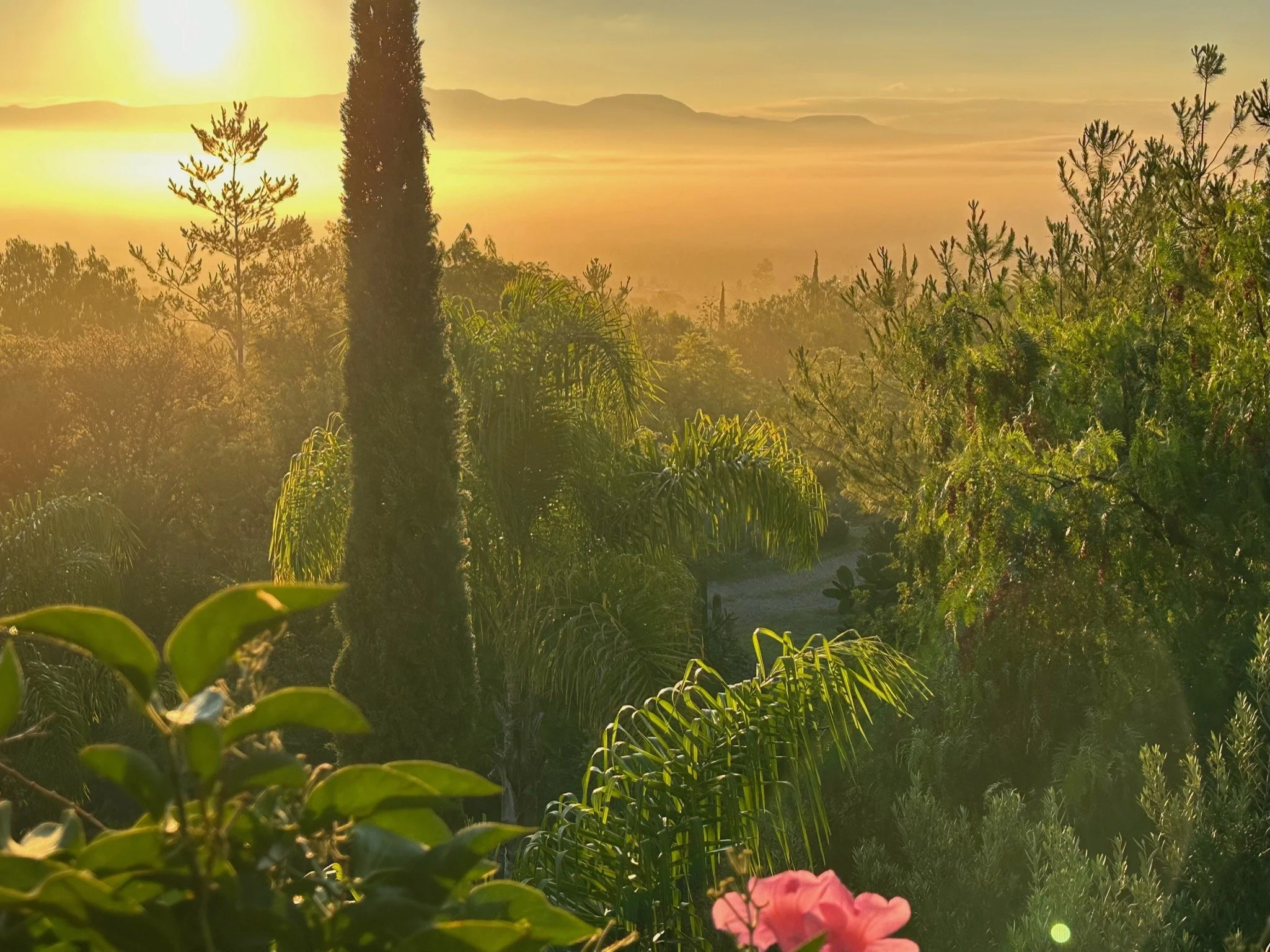
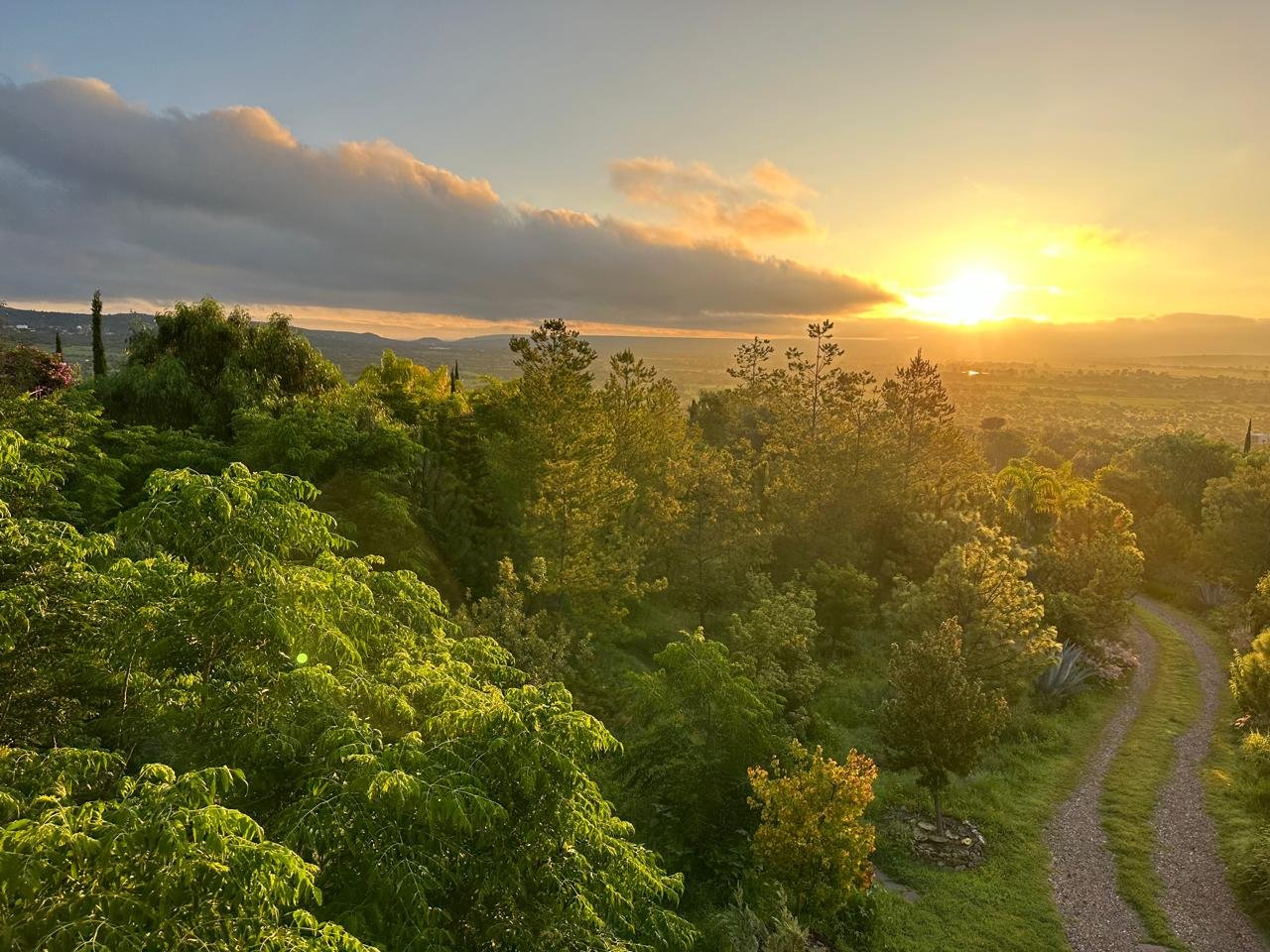
Since 2008 Tikkun has planted over 3000 trees, fruit trees, shrubs and cacti on our 3 hectares, transforming our dry, scrubby property into a beautiful oasis and microclimate and providing habitat for birds, insects, and other wildlife.
Today many of our native species are producing seeds and self propagating, including Maguey, Mesquite, Fresno, Paraiso, Acebuche, Palo Dulce, and Mesquites.
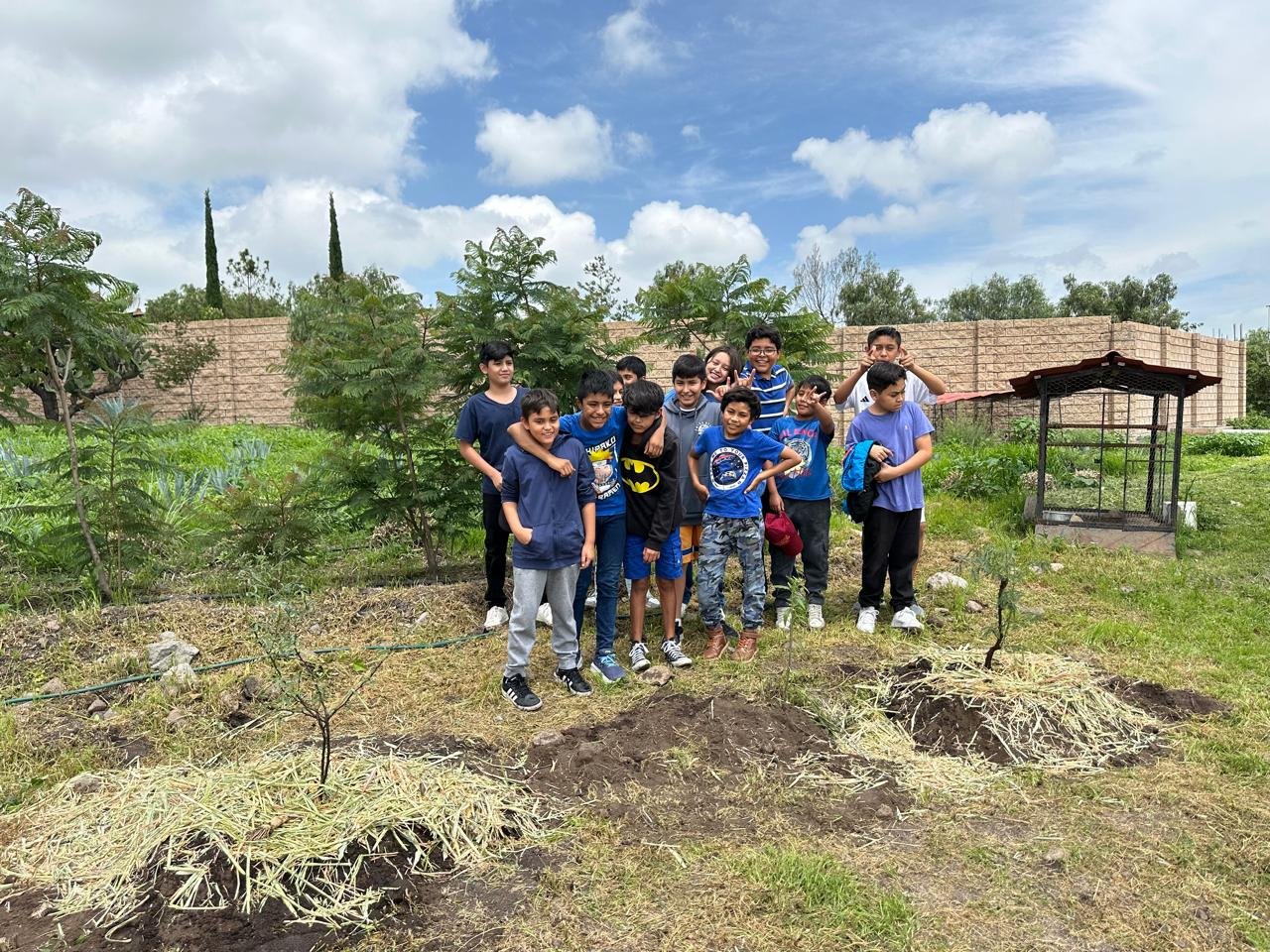
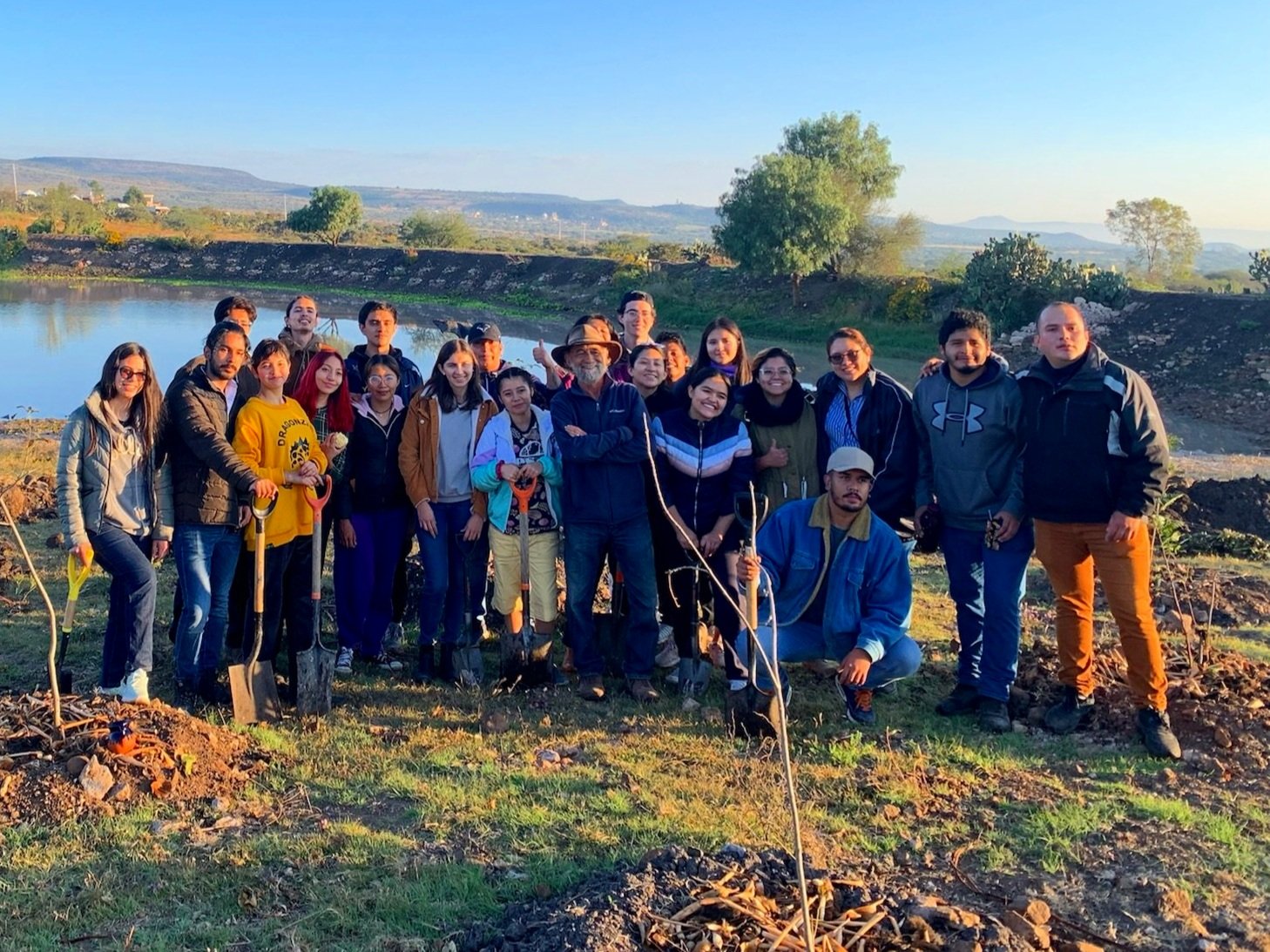
Over the years, school groups and volunteers of all ages have helped us plant trees and crops, and restore the historic reservoir in our community of San Jose de Gracia.
Instead of monoculture or chemical agriculture, we practice organic agroforestry.
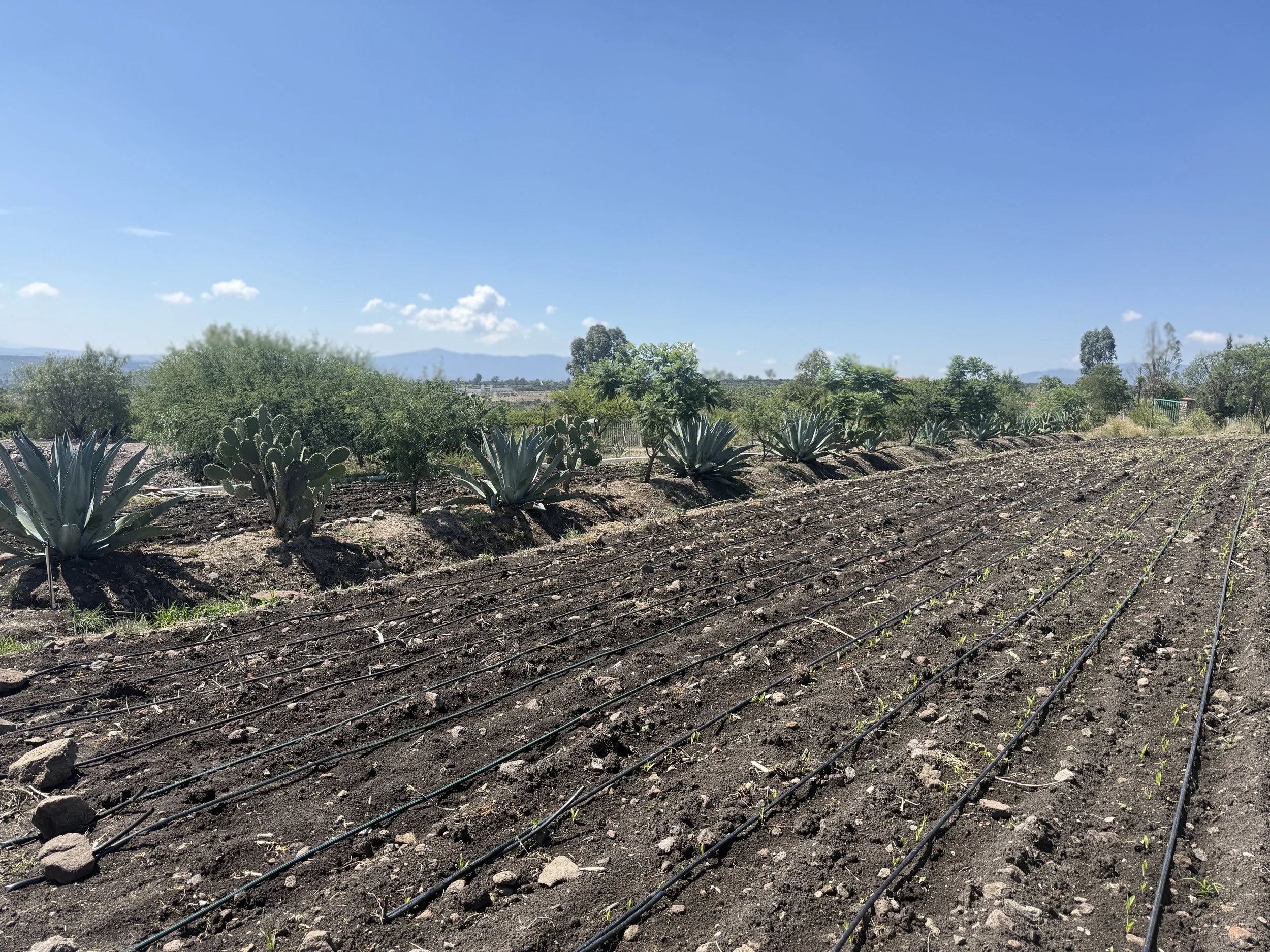
This means planting corridors of diverse trees, Magueys, cacti and perennials between our rows of crops along with rainwater capture canals to recharge our water table and retain moisture in our soils.
The result is greater biodiversity on our land and greater resilience in our milpas (traditional fields of corn, beans and squash), which continue to produce even as our neighbors lost their crops during recent extreme drought.
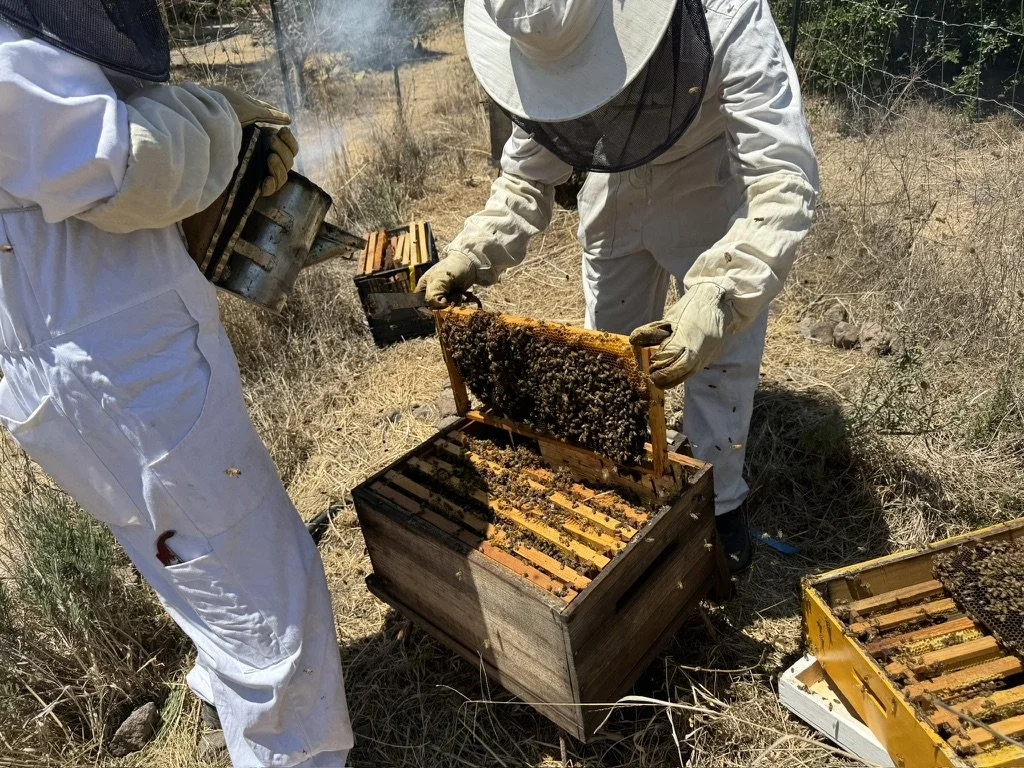
We do not use pesticides or other chemicals, in order to preserve the integrity of ecosystems and support our local wild pollinators and domestic bee hives.
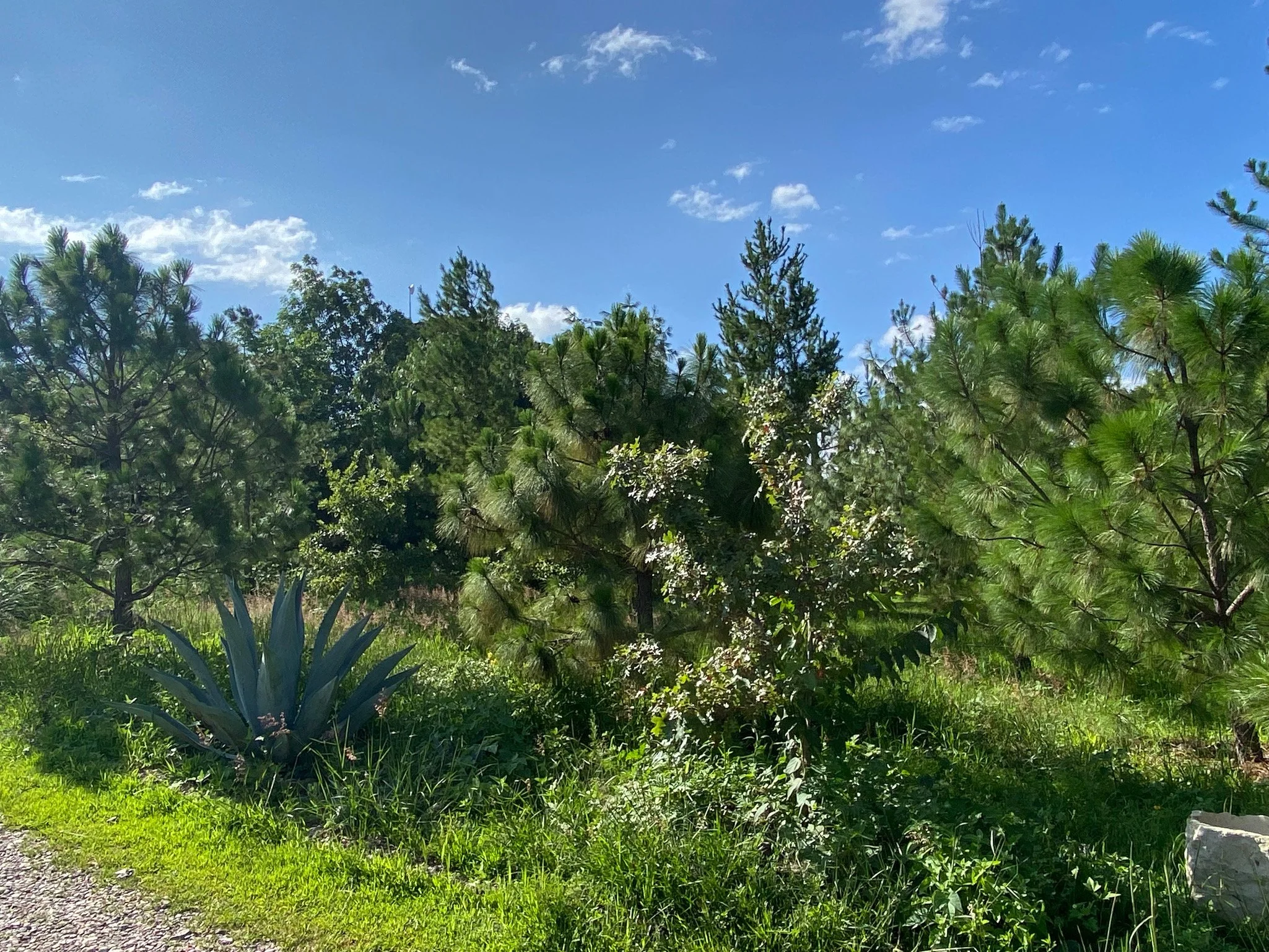
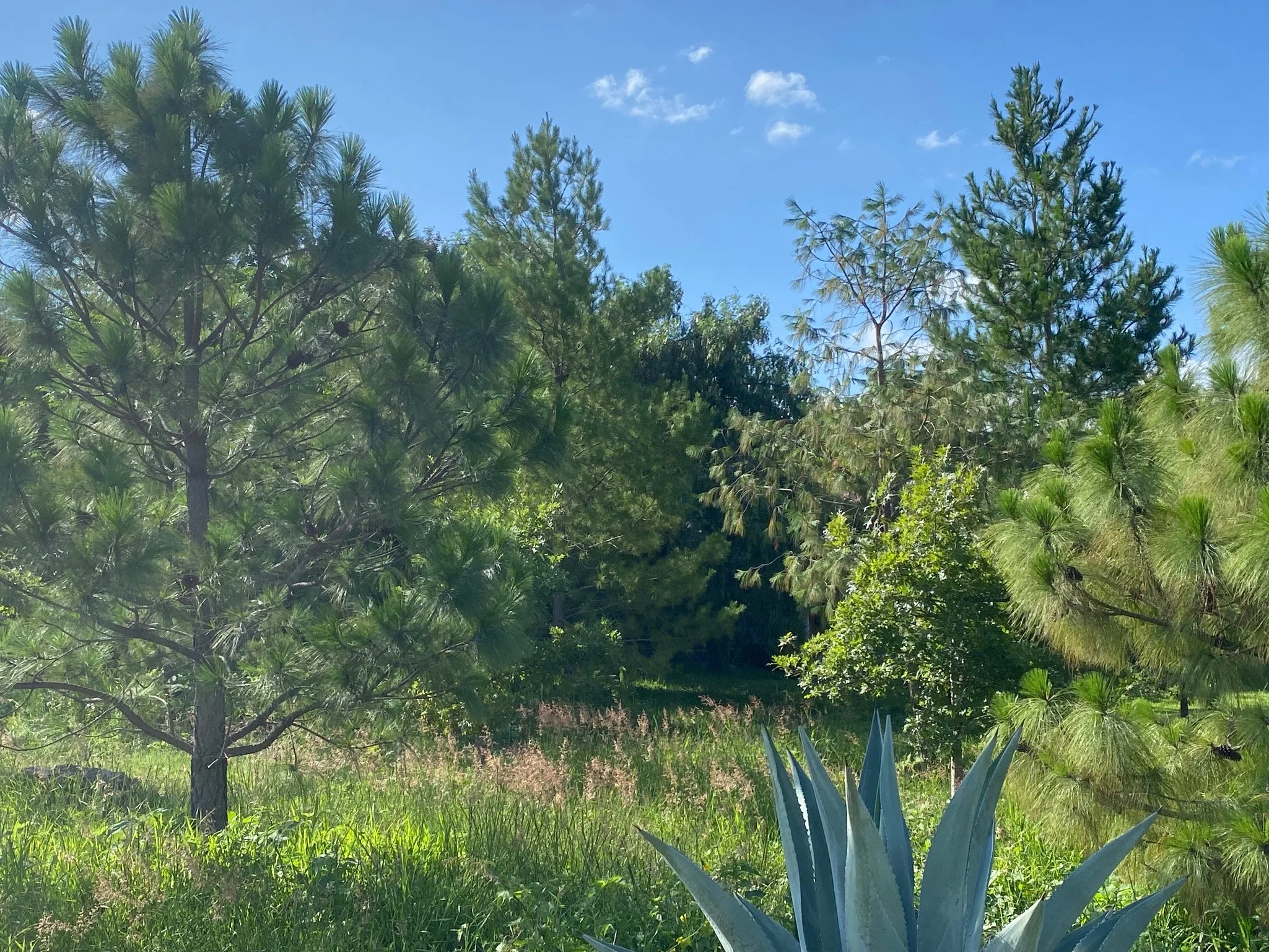

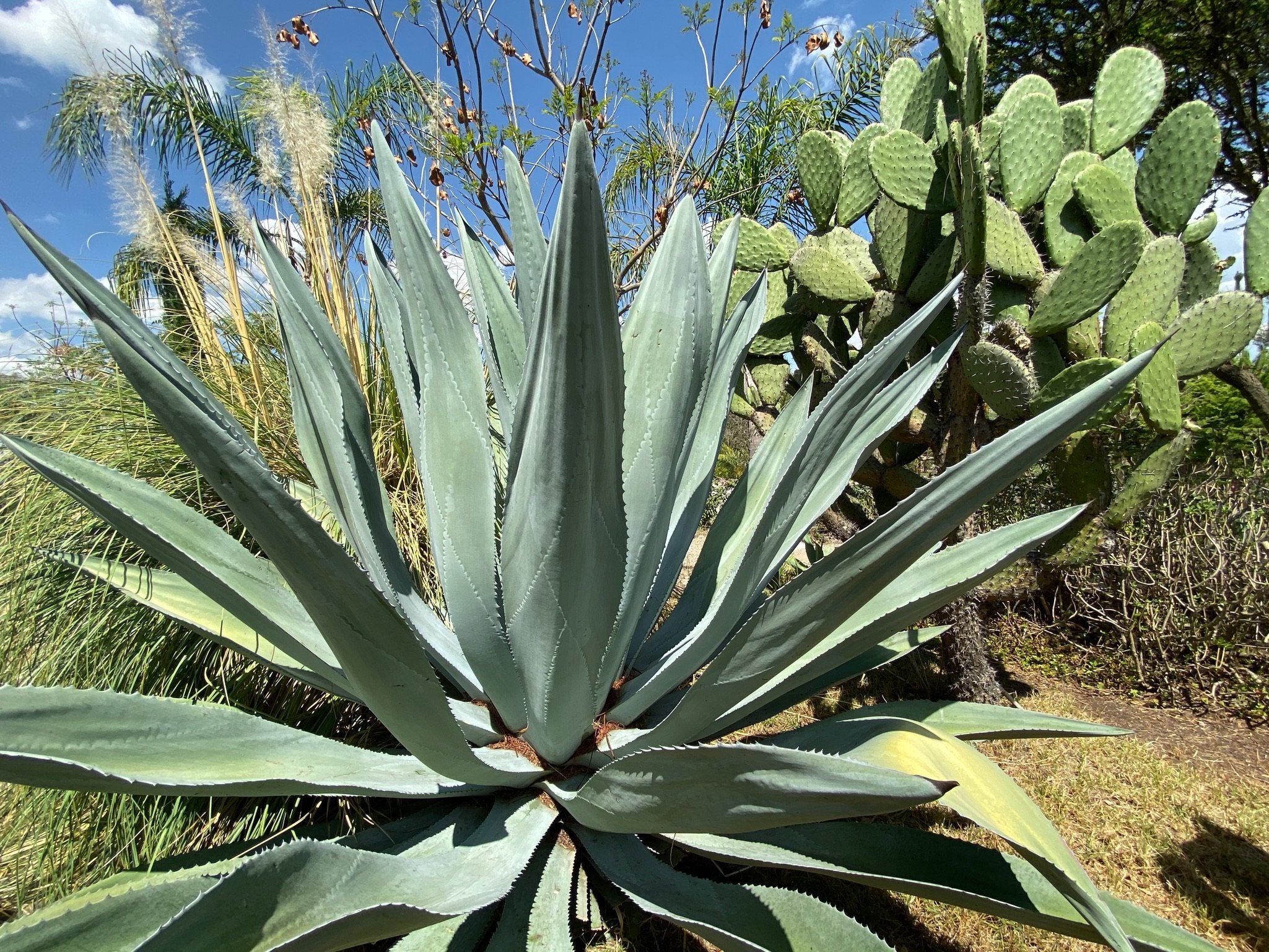
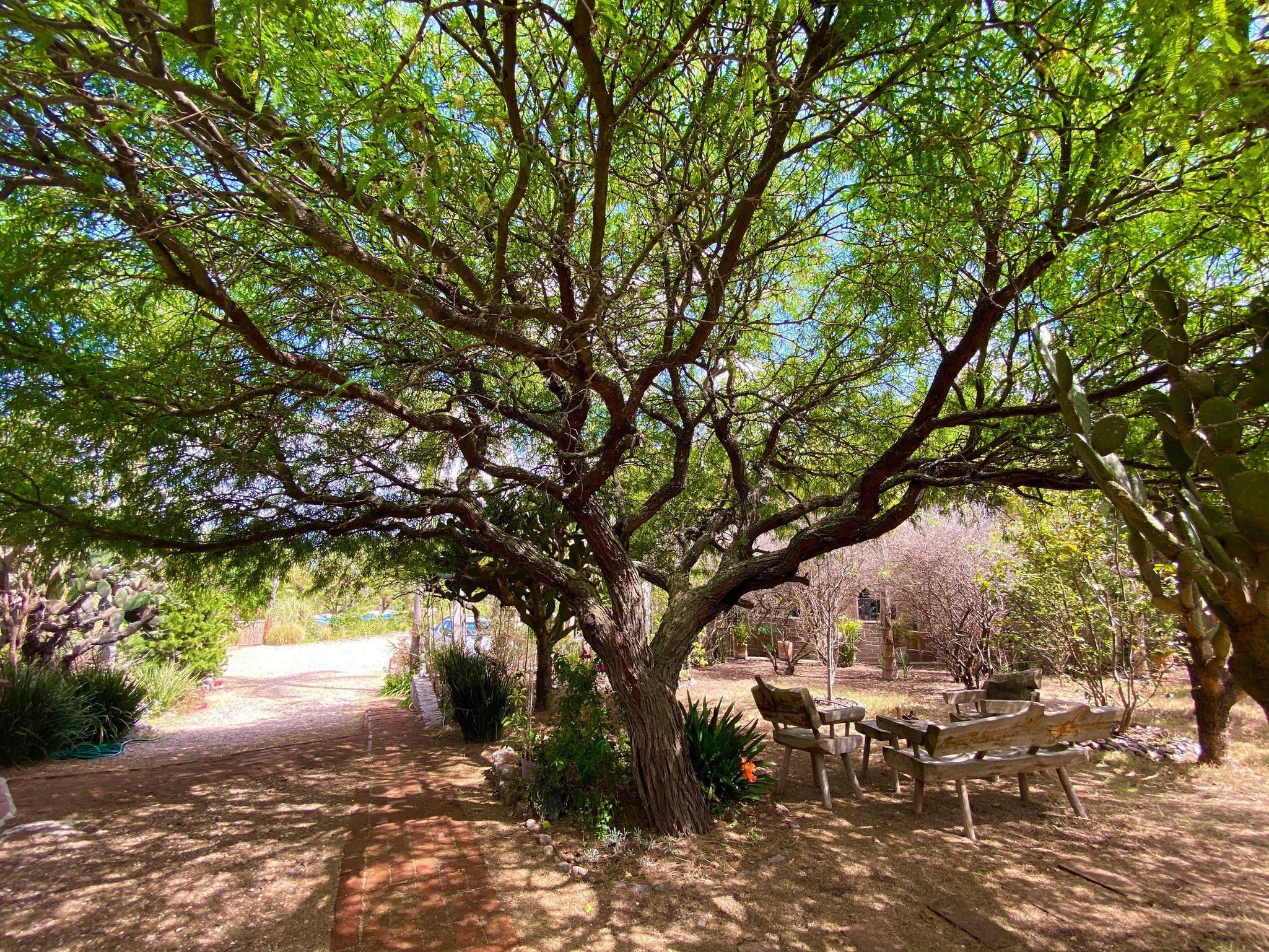
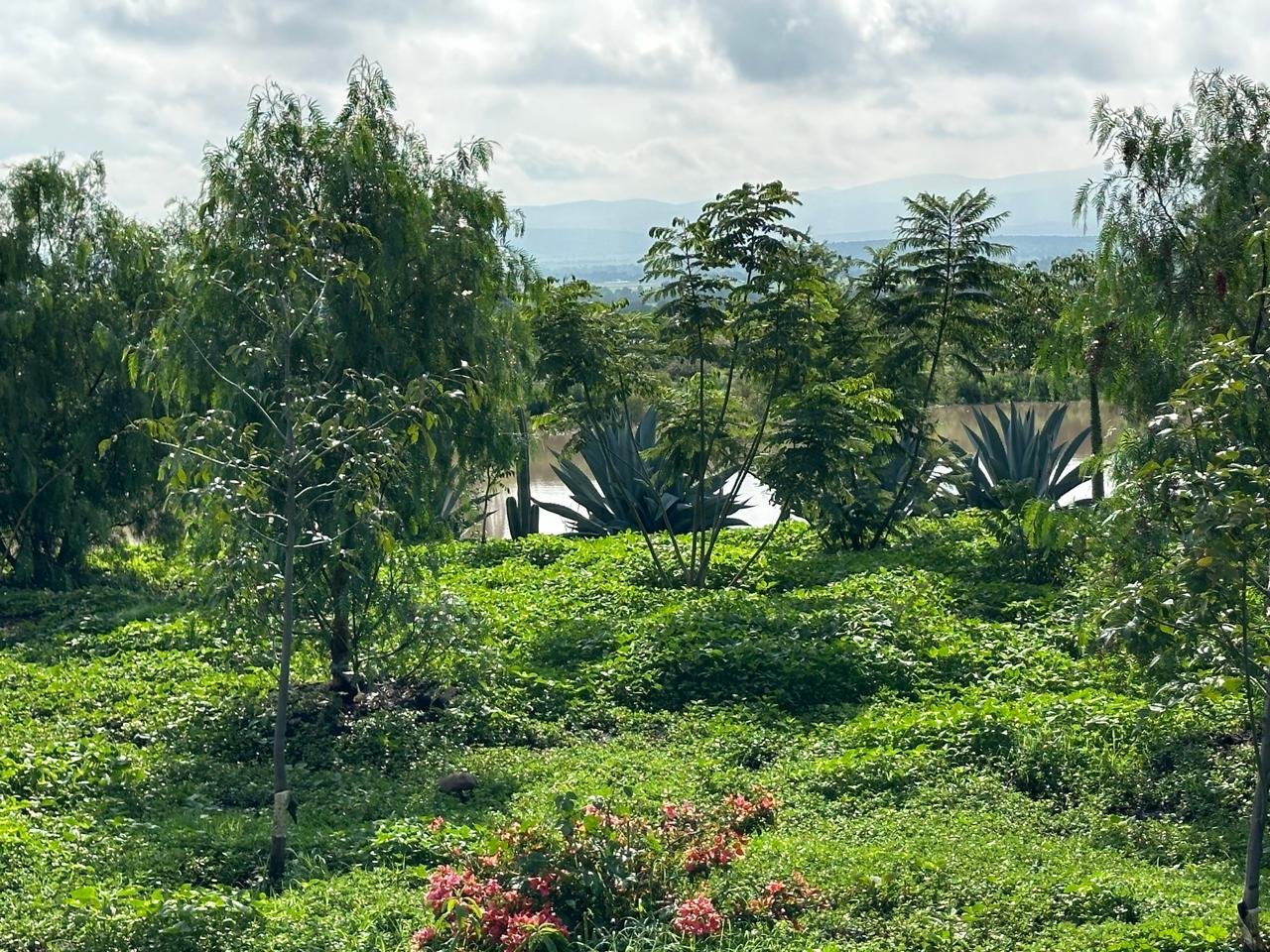
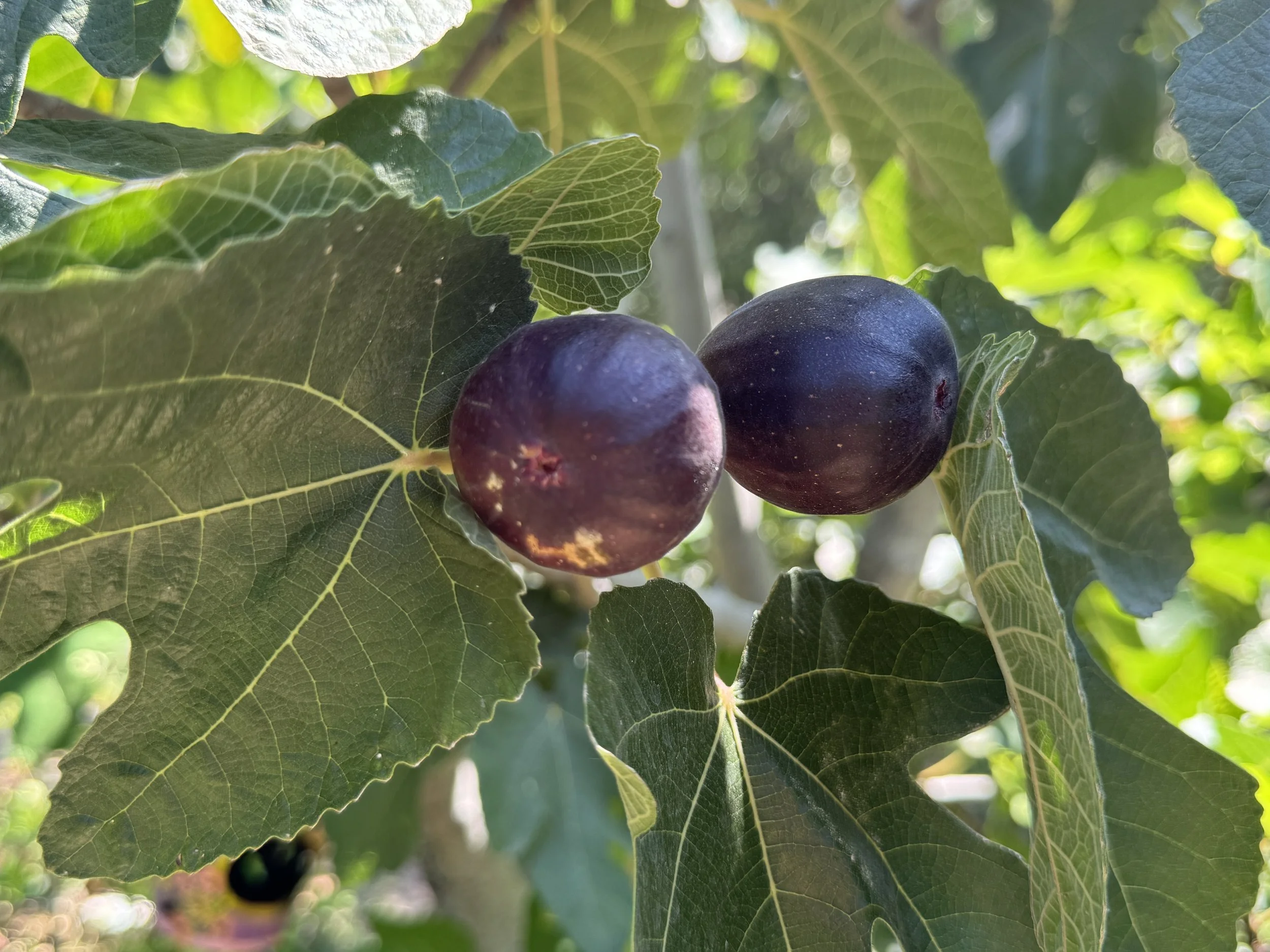



Tikkun’s microclimate and biodiversity has begun to attract large groups of Monarch butterflies during their migration to the pine forests of Michoacan.
Carbon Sequestration and Photosynthesis: The Power of Trees
How Photosynthesis Supports Carbon Sequestration
During photosynthesis, trees take in carbon dioxide (CO₂) from the air and, using the energy from sunlight, convert it into sugars that fuel their growth. In the process, oxygen (O₂) is released into the atmosphere as a byproduct. The carbon captured by trees is stored in various parts over time—especially in the wood.
Carbon Sequestration Potential
On average, a mature tree can absorb about 48 pounds (21.77 kg) of carbon per year. Over the course of a tree's lifetime, this can amount to several tons of carbon, depending on the species and environmental conditions.
A forest with a million trees could possibly sequester roughly 1.5 to 3 gigatons of CO₂ over its lifespan.
Scientists estimate that reforesting or afforesting the world's available land could sequester up to 10 gigatons of CO₂ annually, approximately one-quarter of global annual emissions.
A gigaton equals a billion metric tons. So, when you hear international leaders talk about the climate impact caused by 40 gigatons of carbon emissions humans currently create a year, they are talking about 40 billion tons of carbon emissions.
Impact of Planting a Million Trees
On average, a million trees could sequester approximately 48,000 tons (43,500 metric tons) of CO₂ per year in their early to mid-growth stages. This is equivalent to offsetting the carbon emissions produced by about 9,600 cars annually. Over a span of decades, the total amount of carbon sequestered will increase as they continue to accumulate biomass.
If we consider the global context, where deforestation is a major source of CO₂ emissions, the restoration of forests or the planting of trees on a massive scale can play a key role in meeting international climate goals.