
Harvesting the Rain
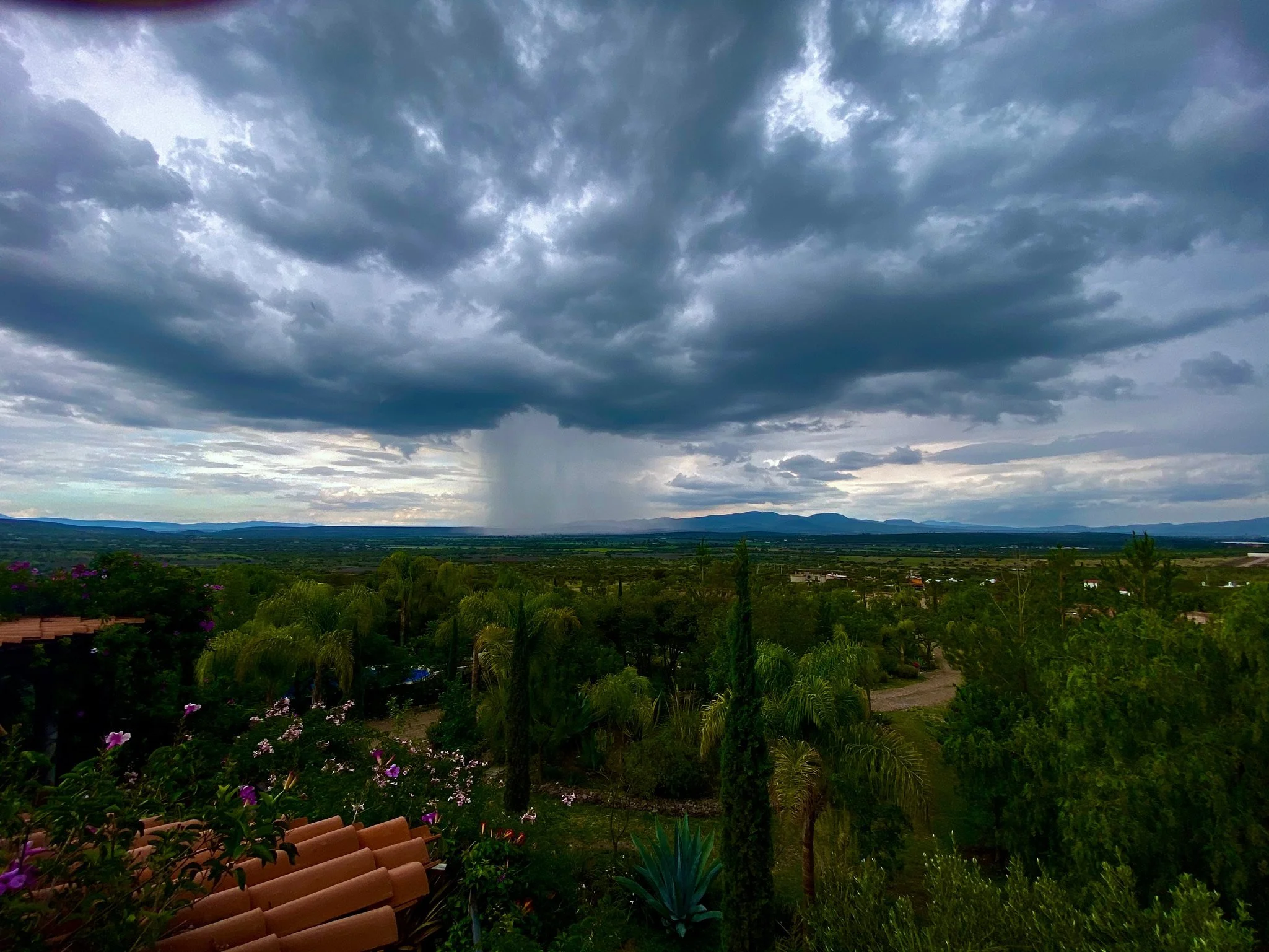
Water Harvesting Systems
Tikkun’s water management system serves as a demonstration of practical solutions to two of our semi-arid region's greatest challenges: water scarcity and ecological degradation. Such water insecurity threatens the stability of societies worldwide.
Eighteen years ago when we broke ground on Tikkun’s land, there was little besides dry scrub and few trees, located above an agricultural valley where the water table is overextended by agribusiness, suburban development and industrial parks. Our land has no water well and no municipal water services.
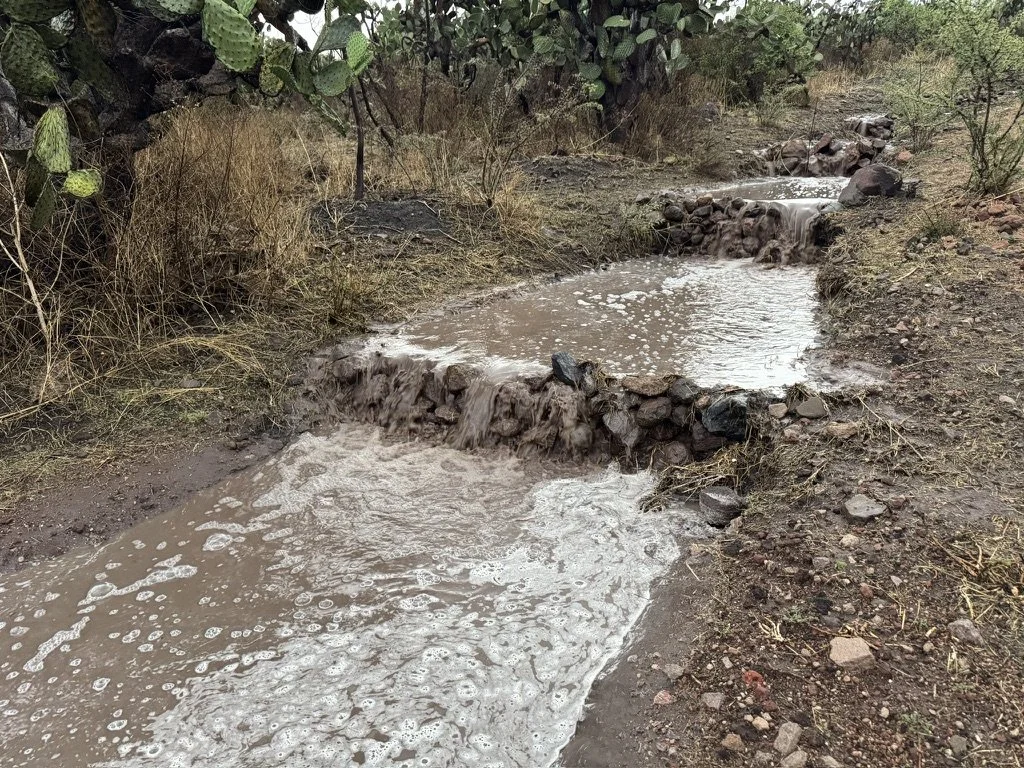
Our primary mission became to harvest every drop of rain that falls during the monsoon season, June through October. Using the Permaculture style systems of dryland water capture, we used swales and berms to slow rainwater as it moves cross the landscape, allowing it to penetrate the topsoil and prevent erosion.
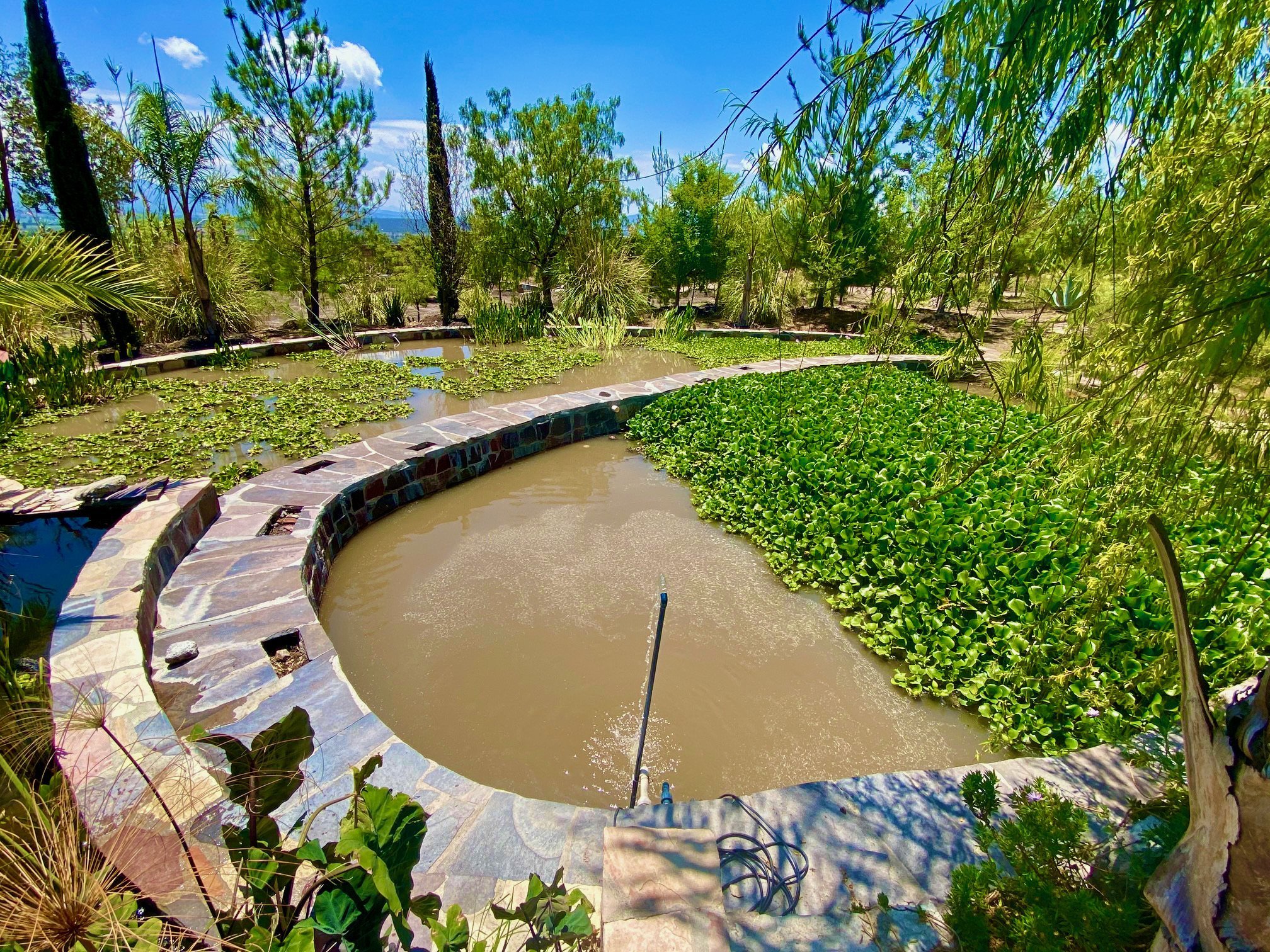
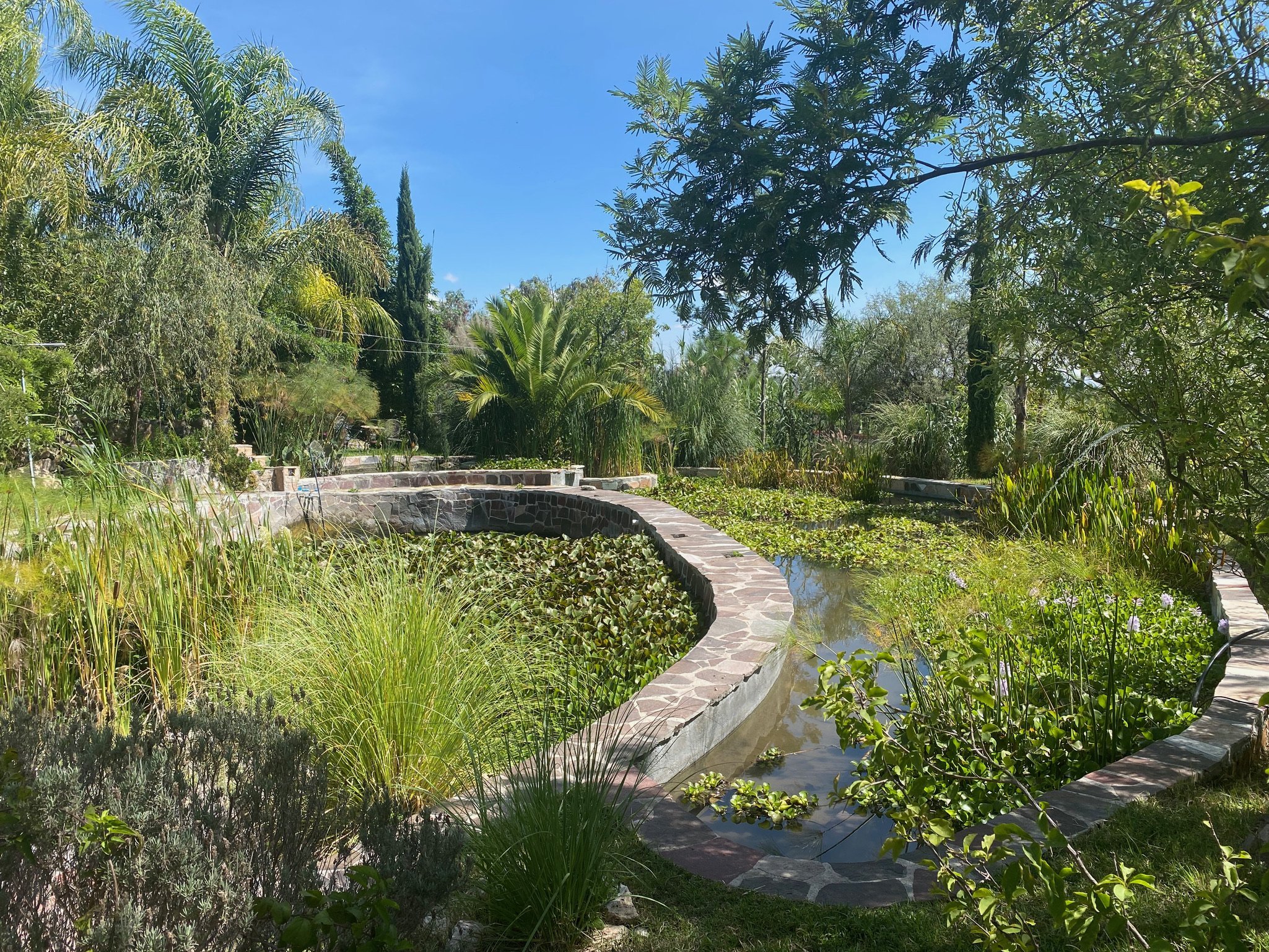
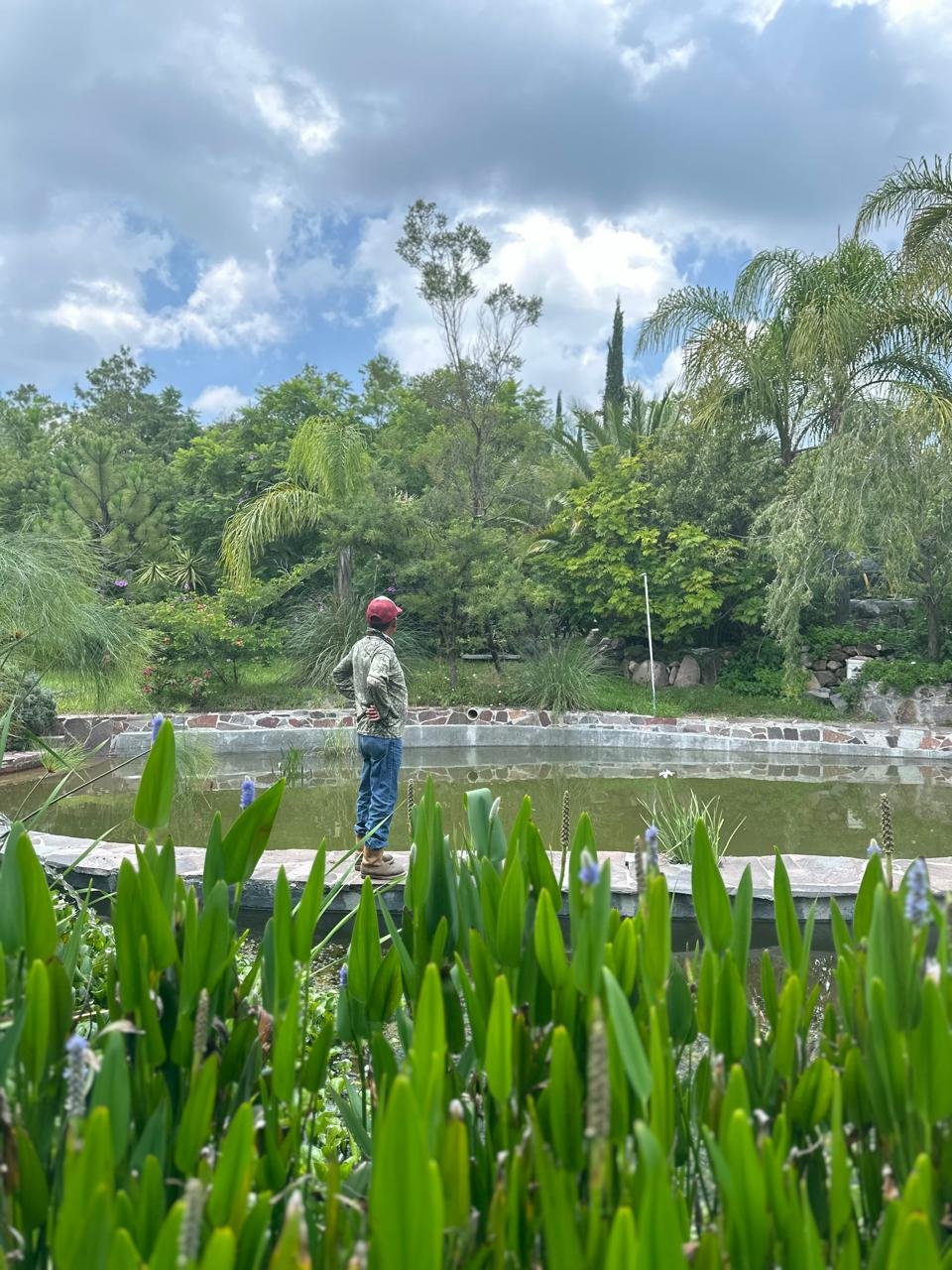
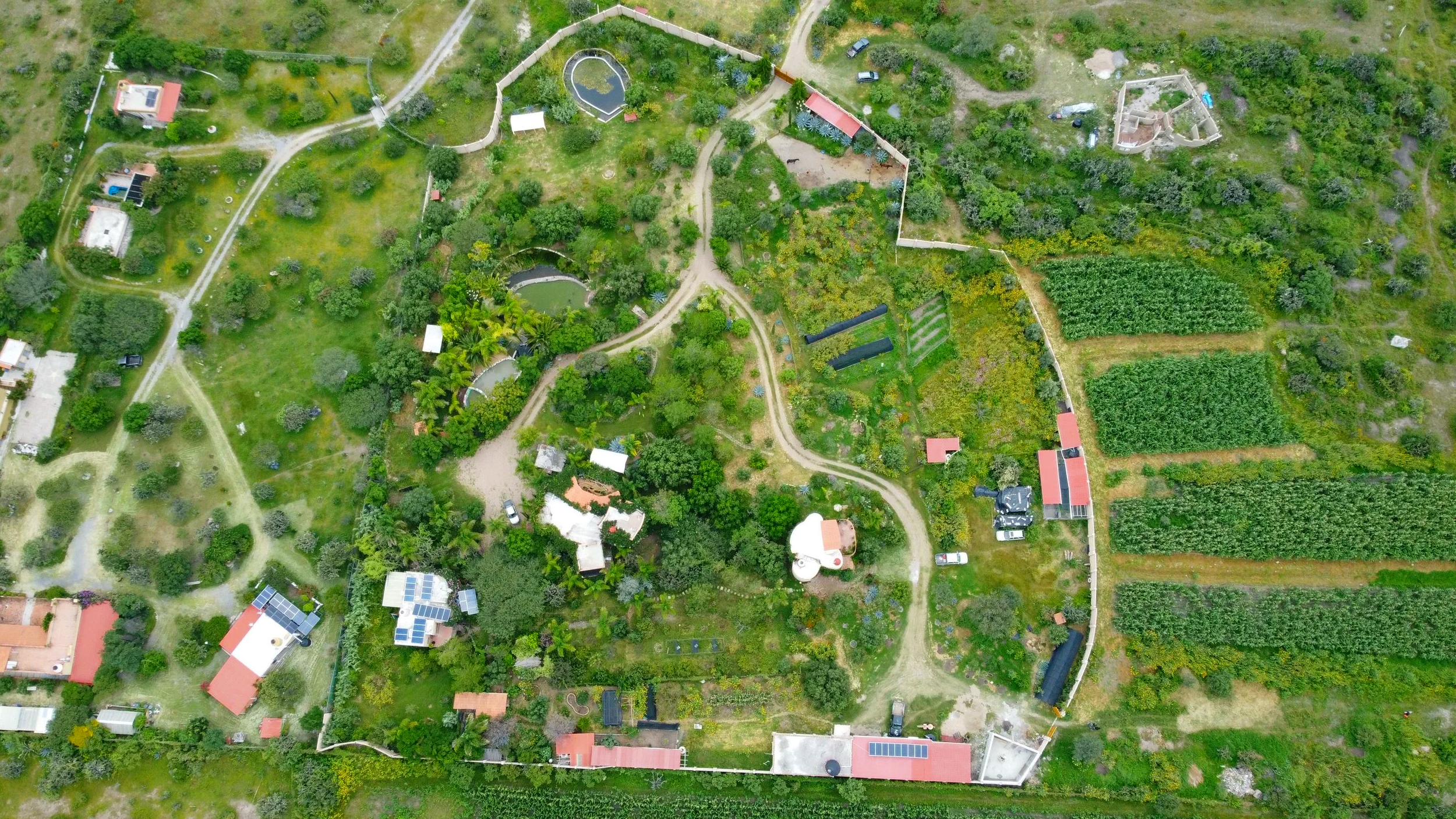
Over the years we have constructed 8 water storage cisterns and ponds, capturing rainwater captured from our rooftops, driveways, and greenhouses.
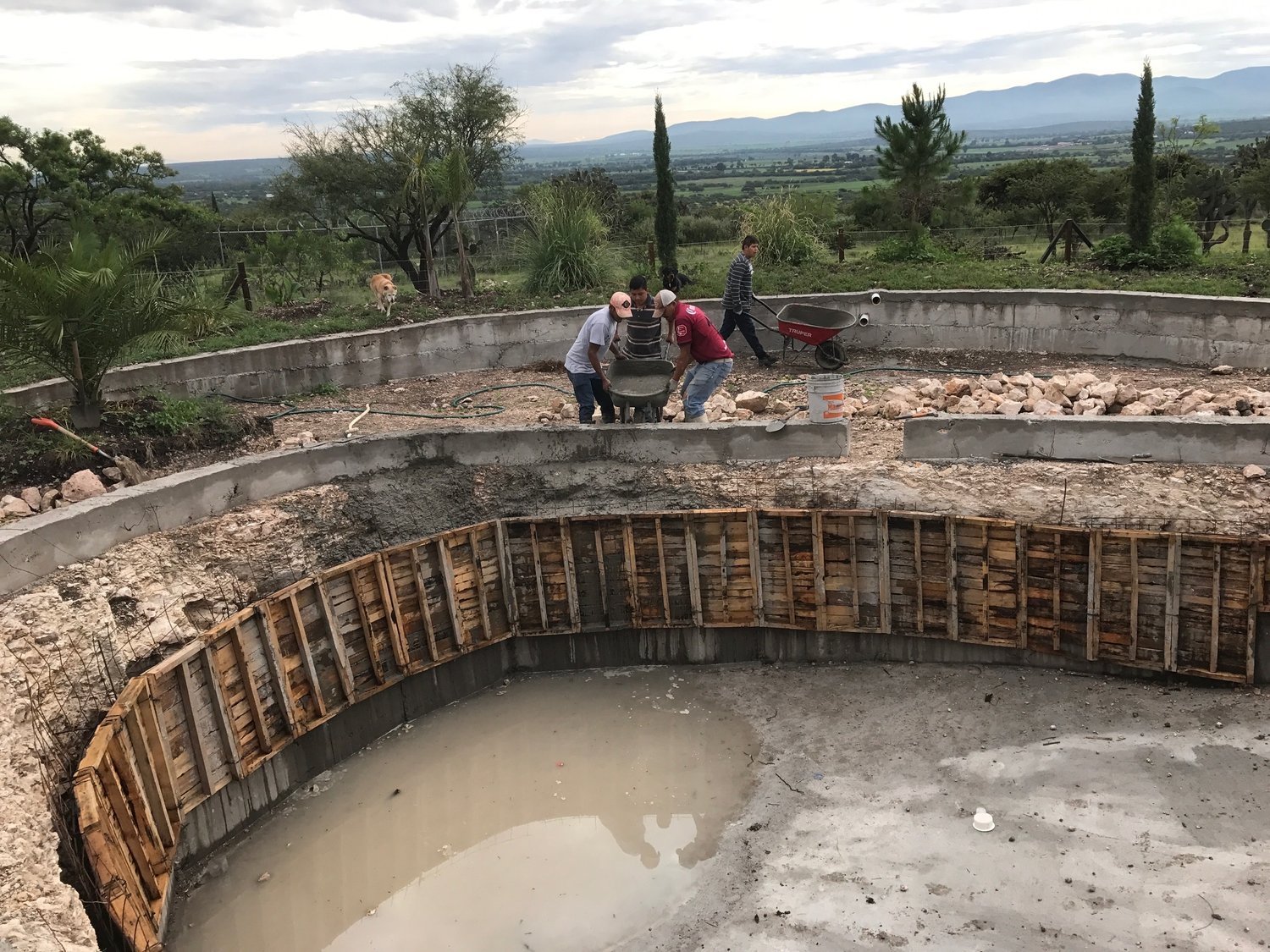
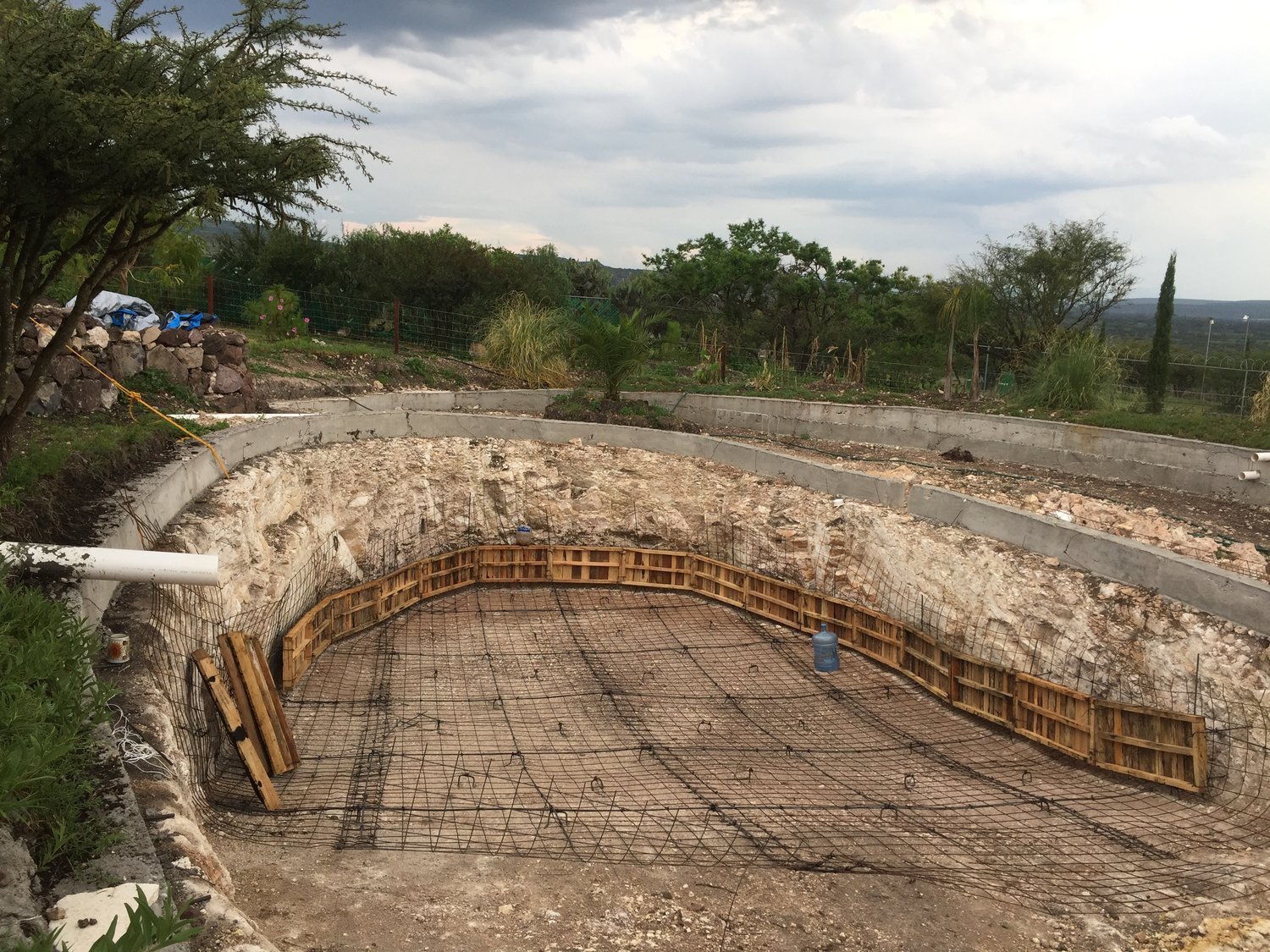
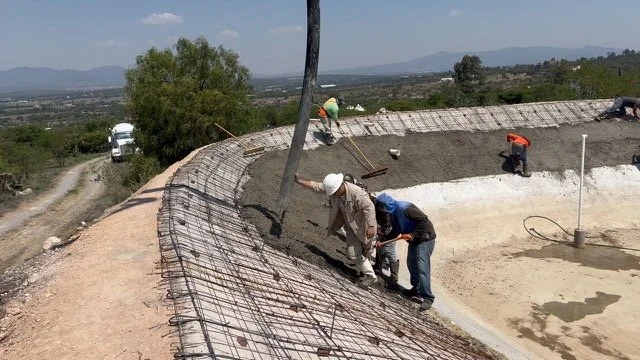
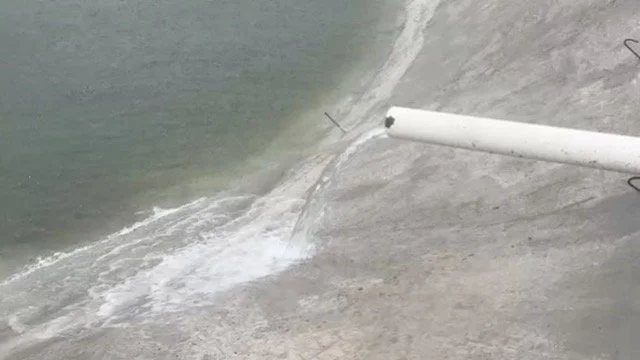
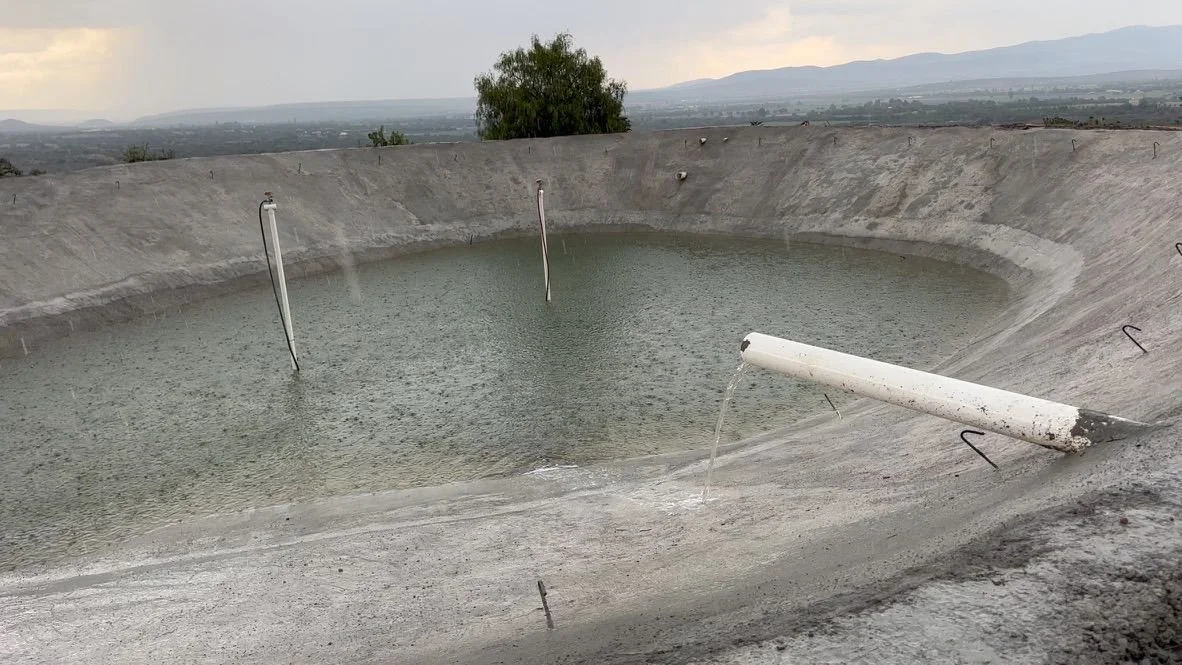
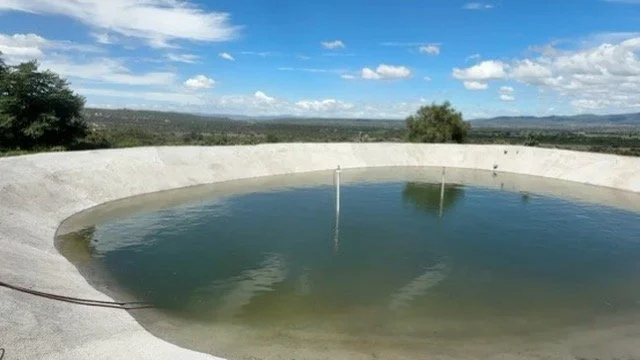
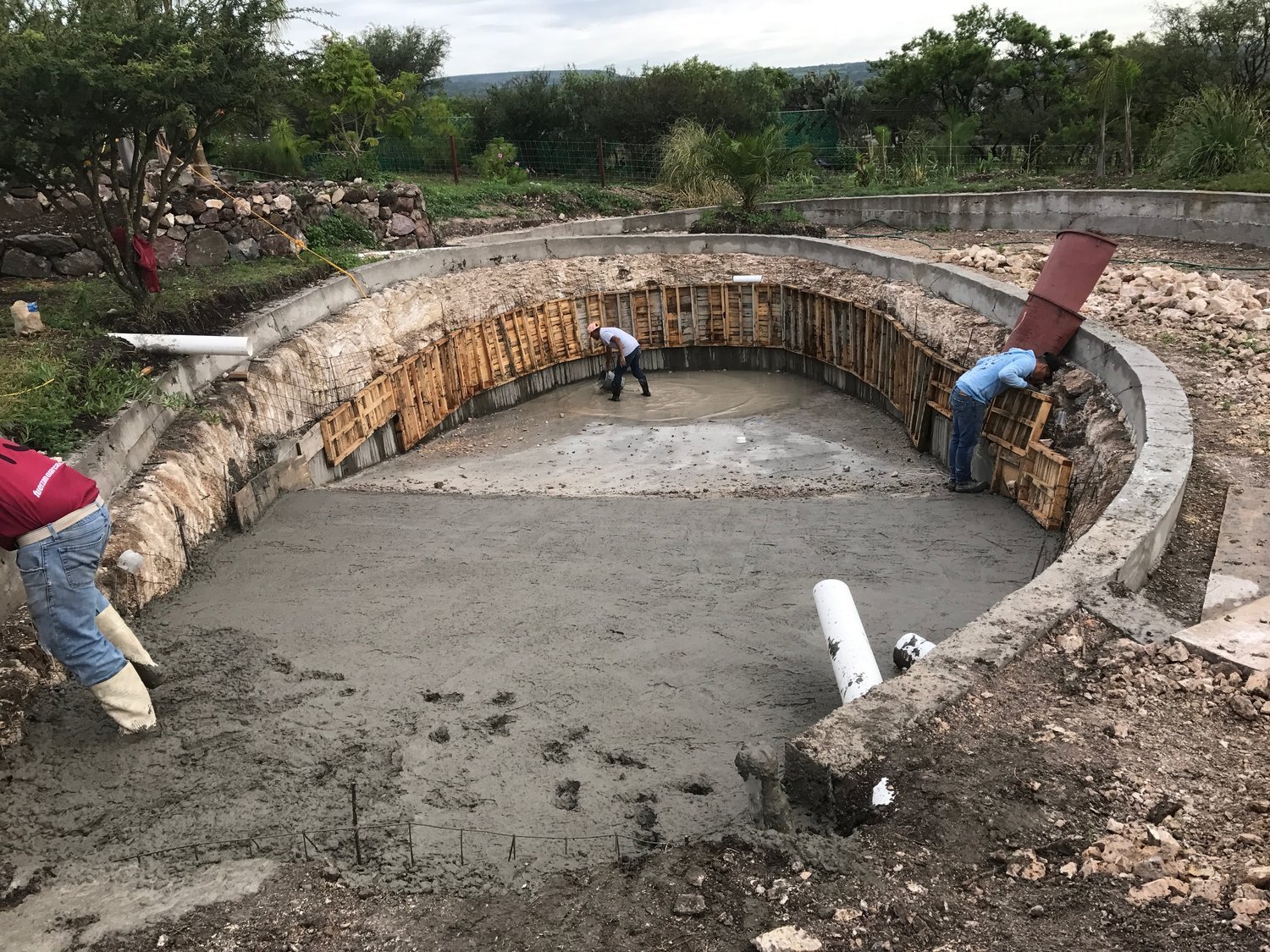
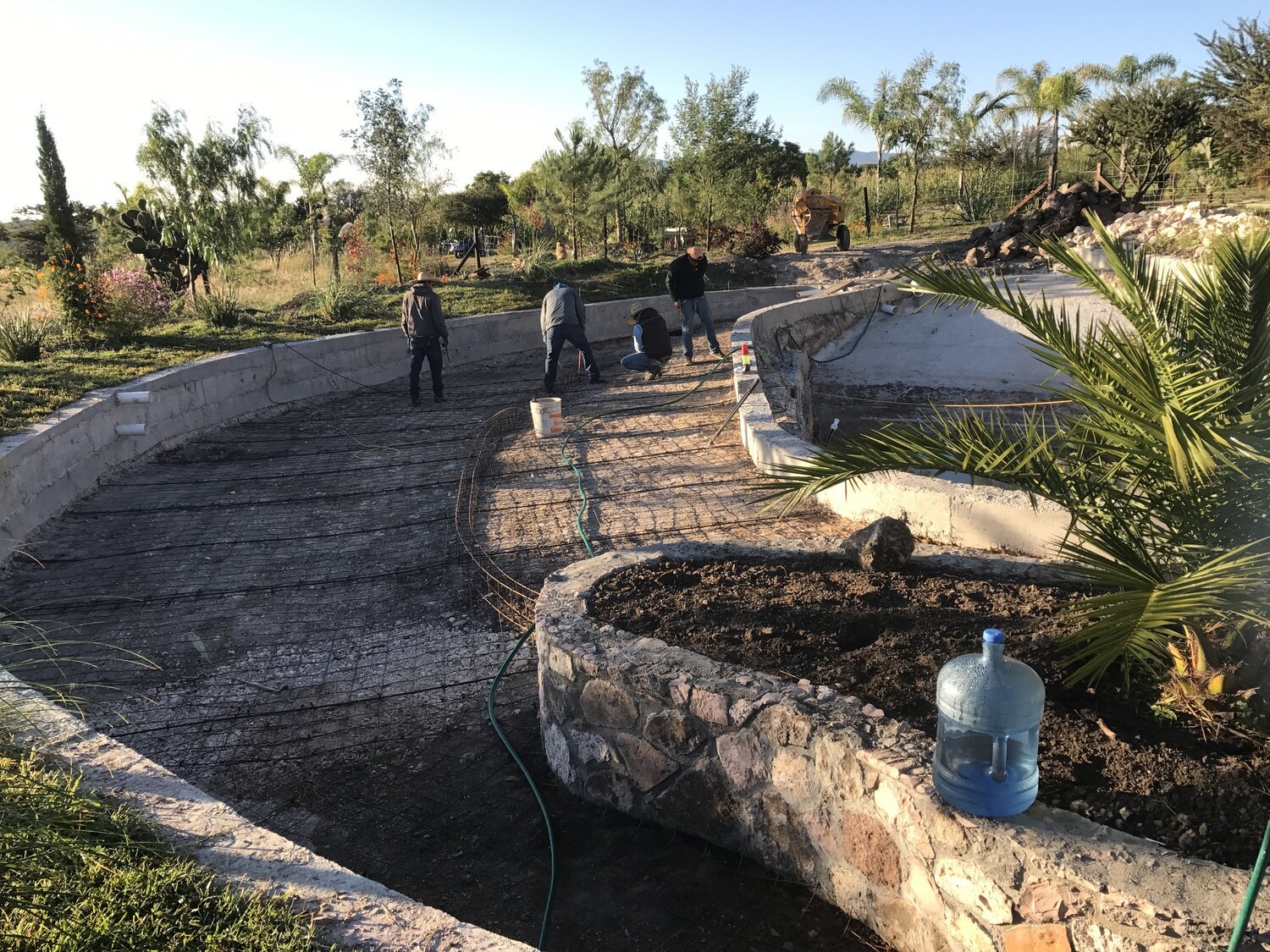
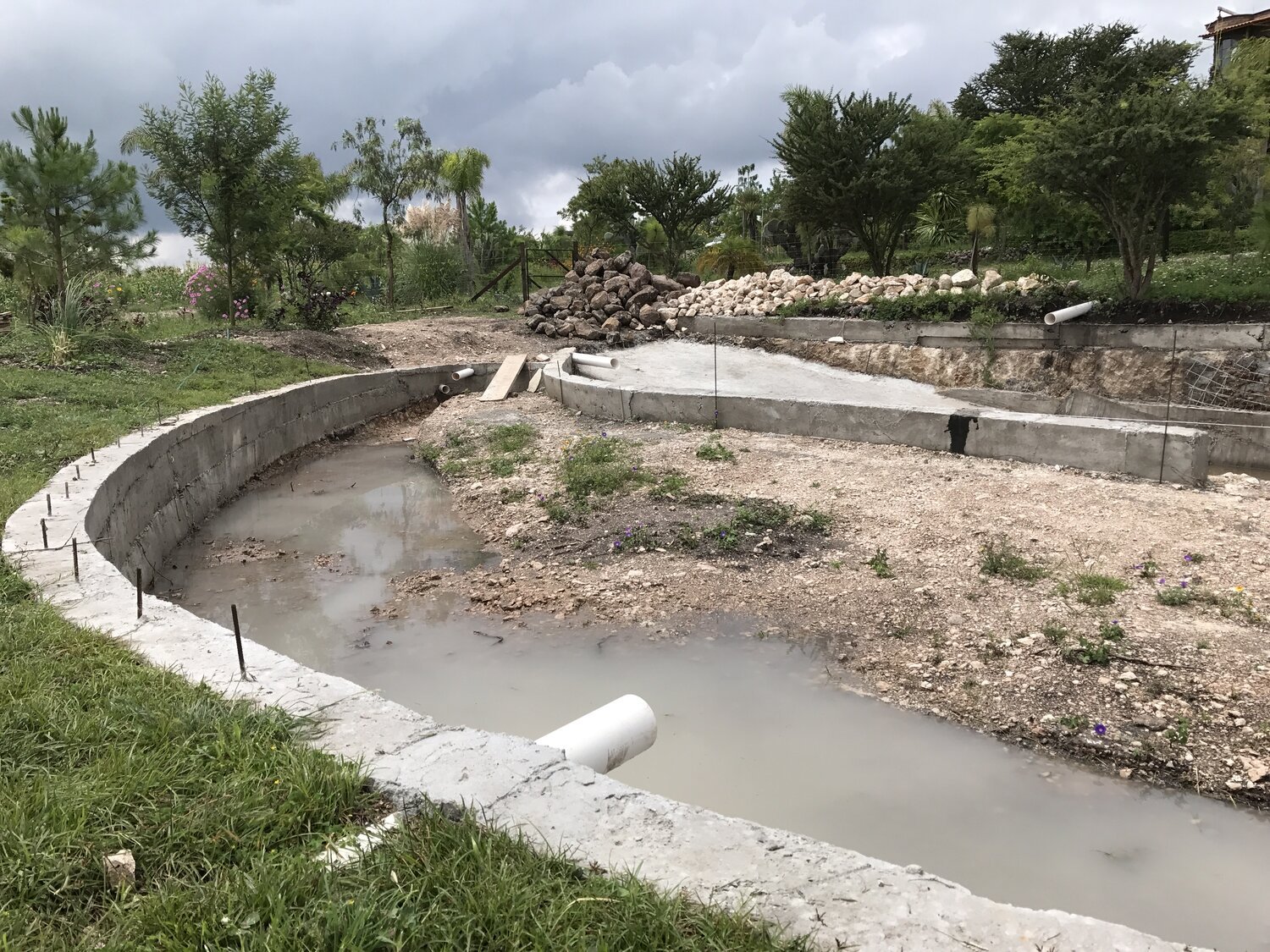
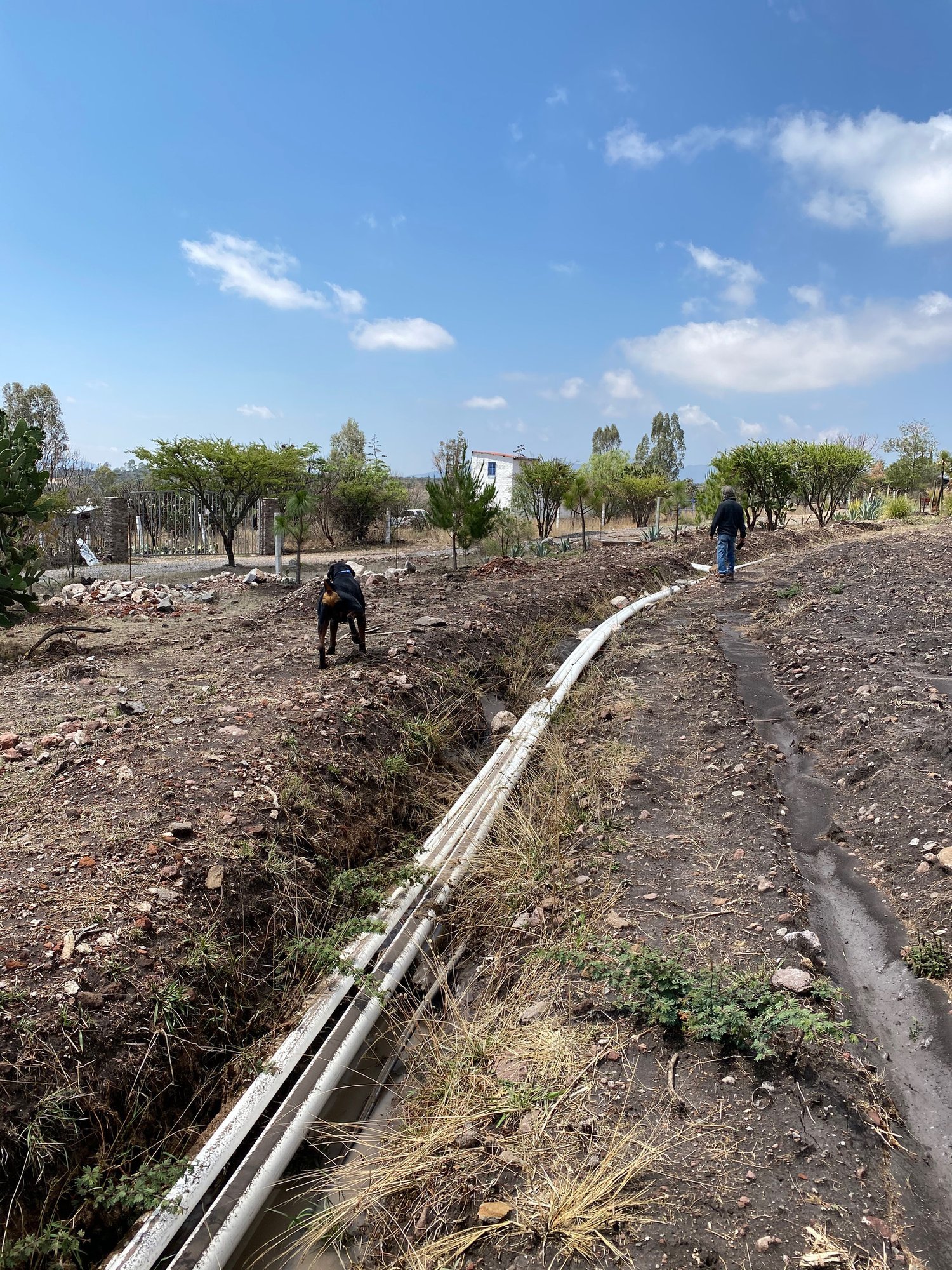
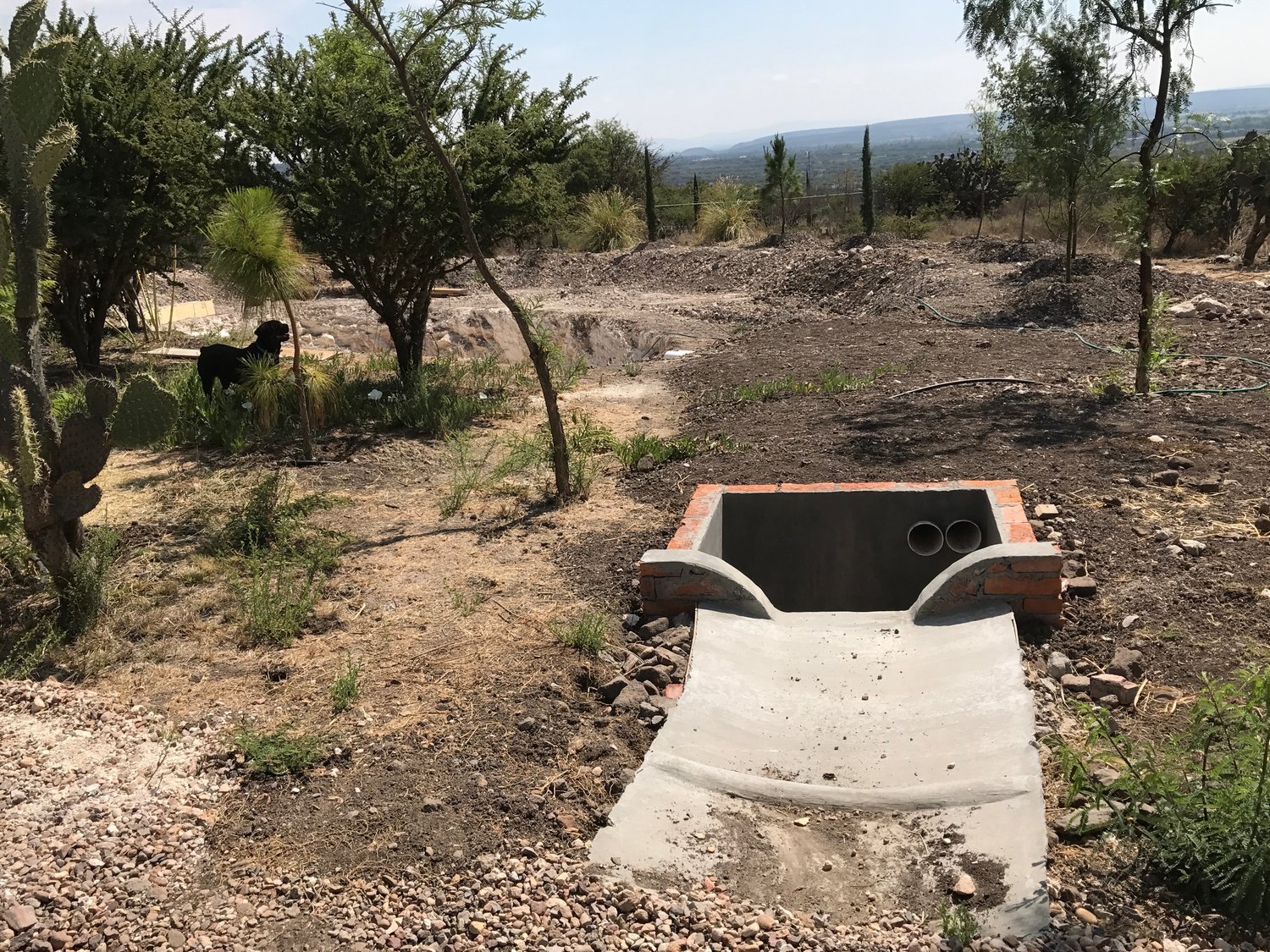
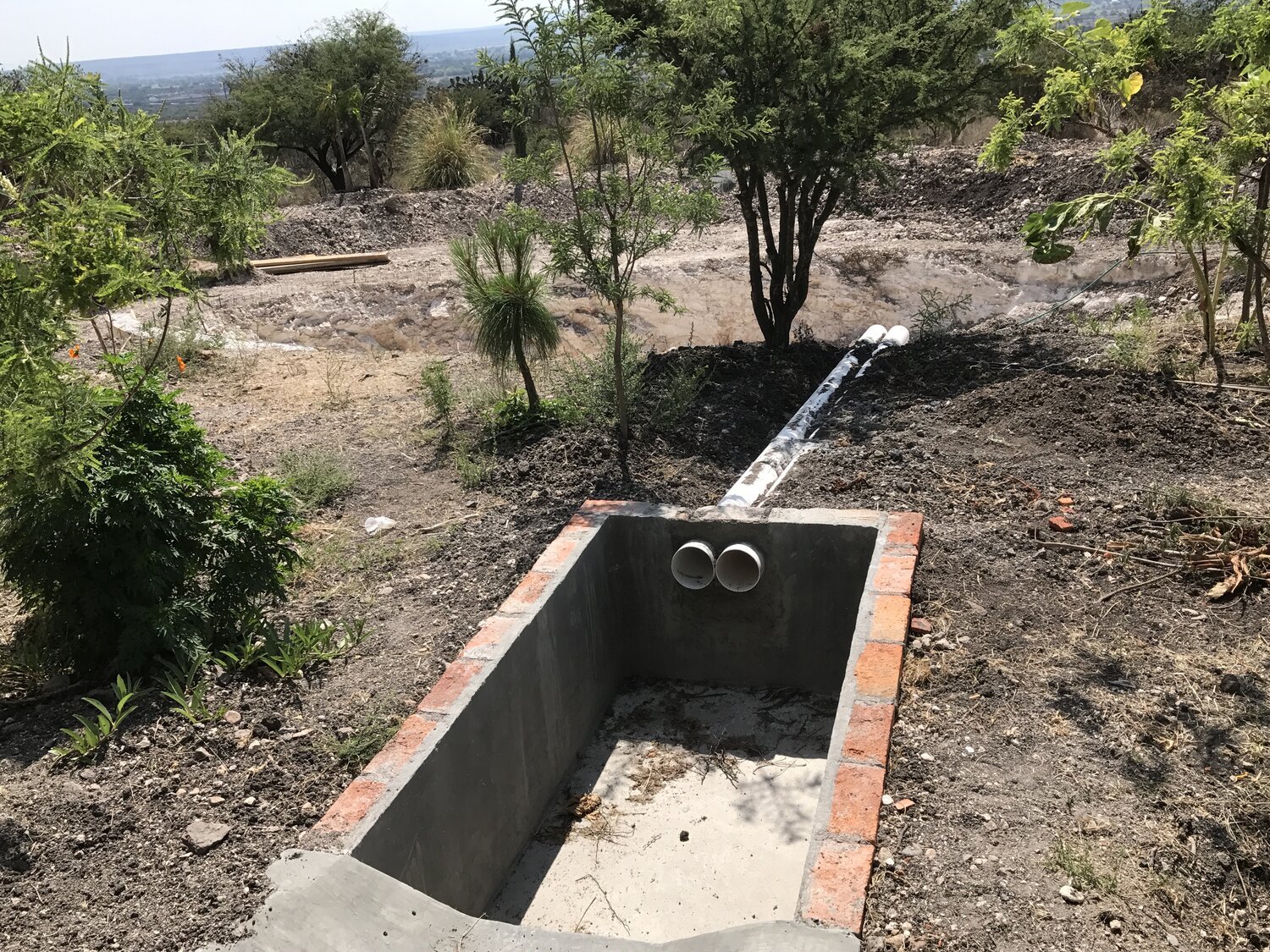
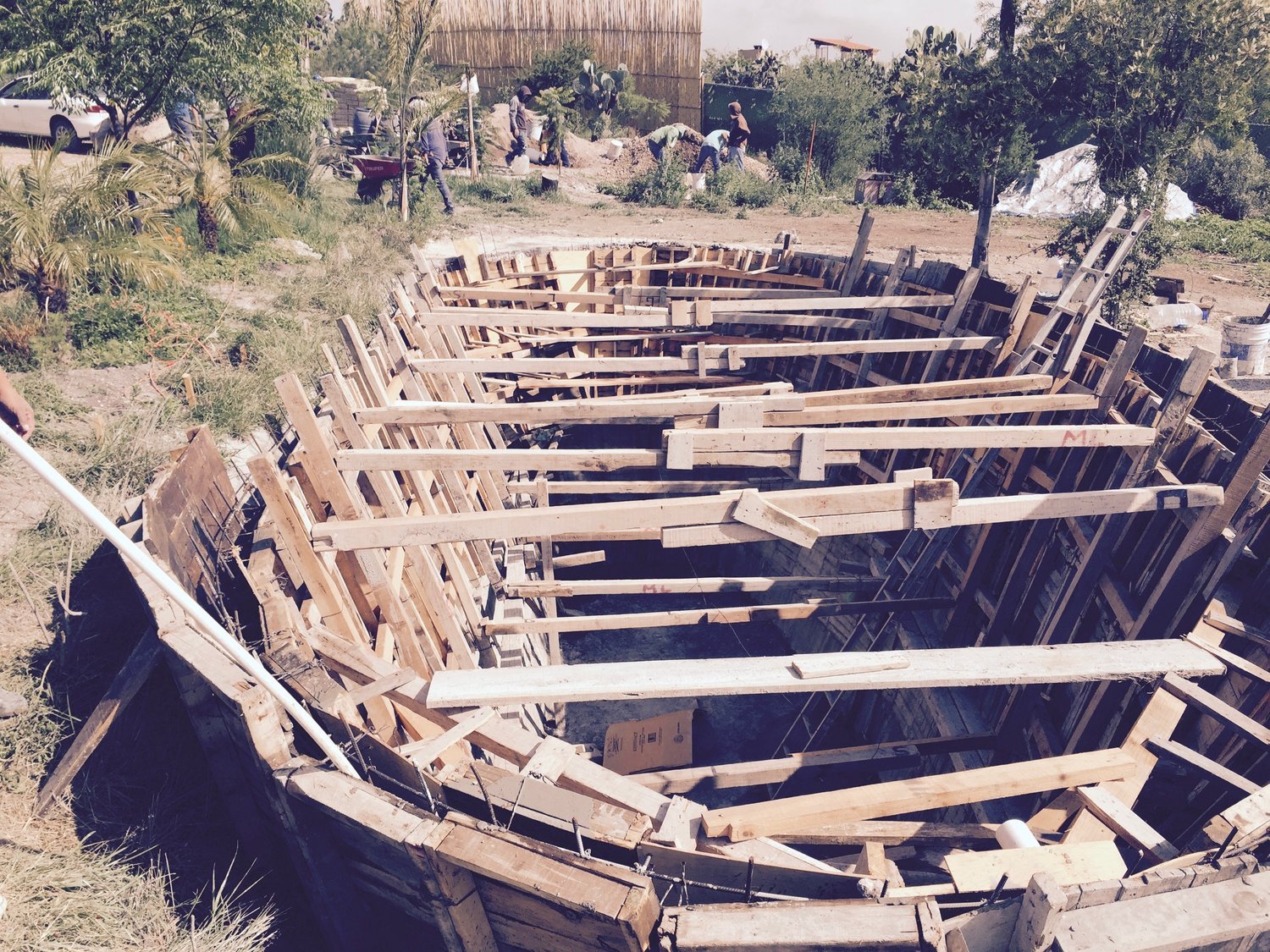
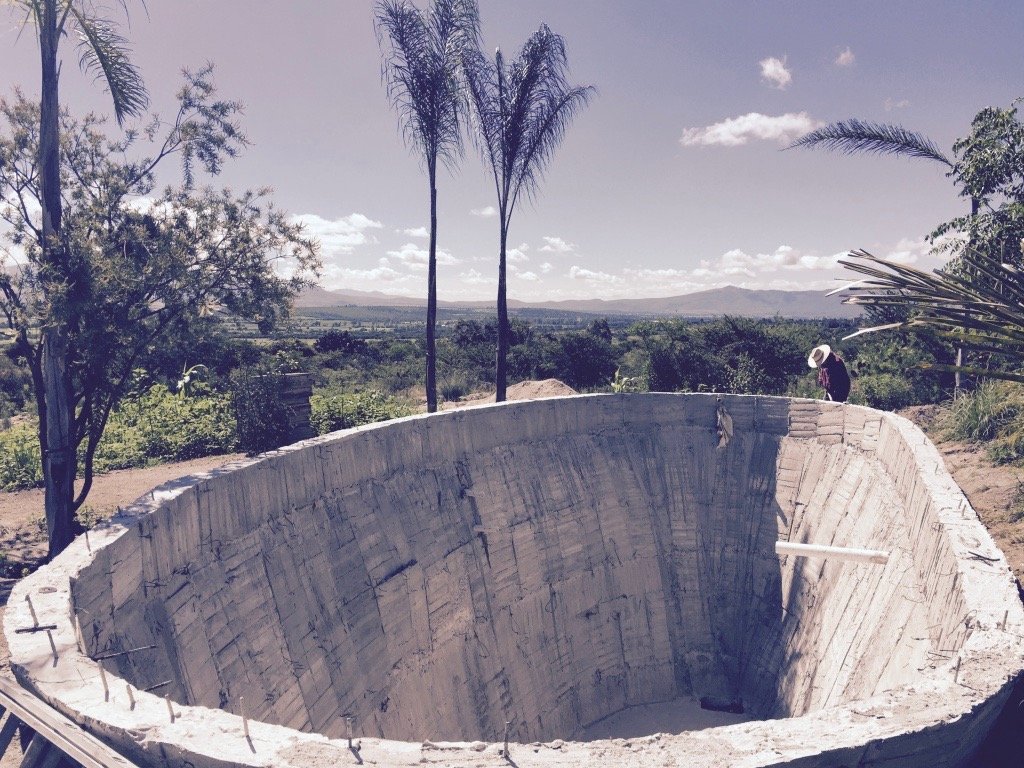
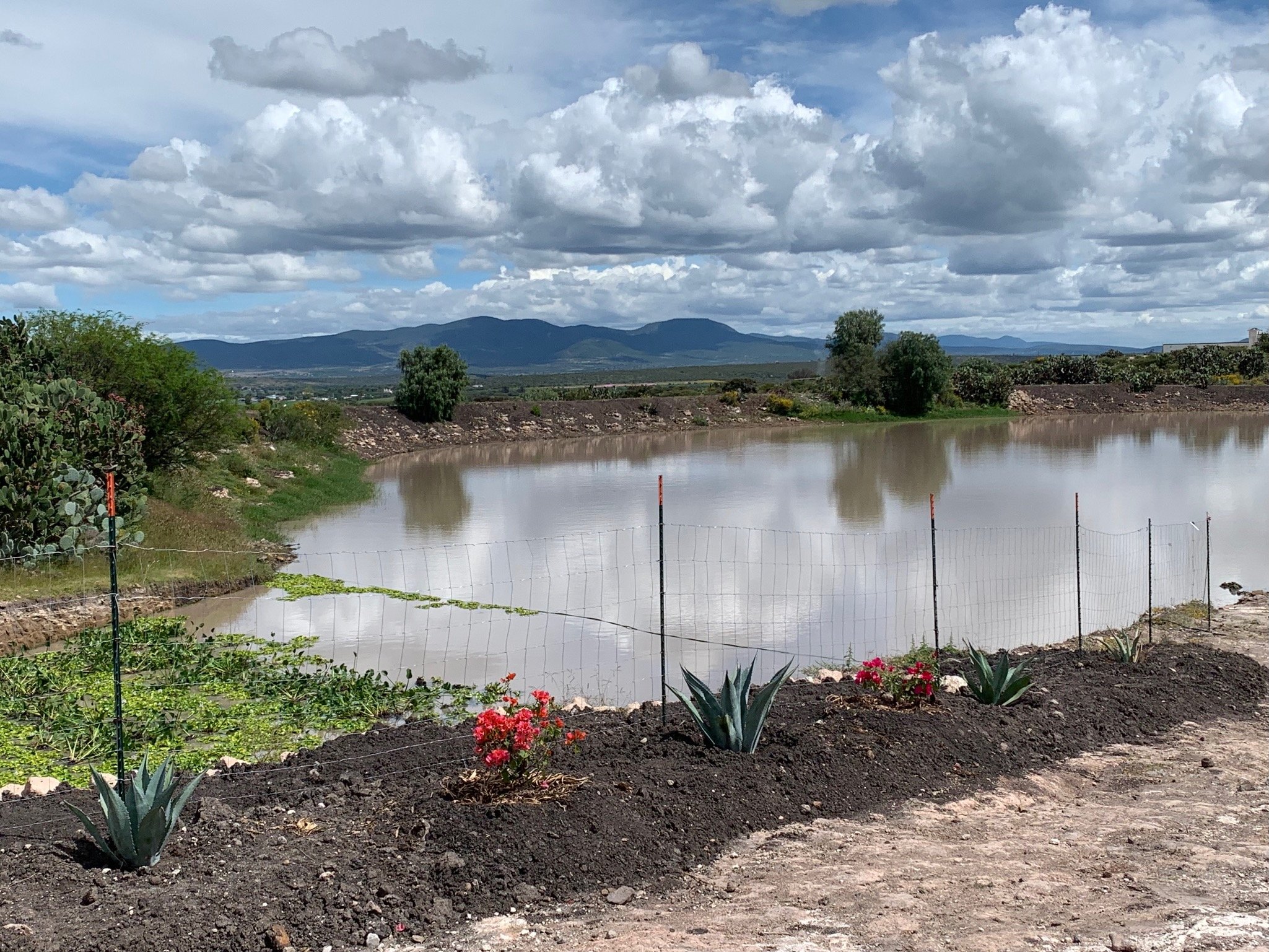
As of 2026, our three new native tree production greenhouses are integrated with a new 1.2-million-liter rainwater catchment pond. Together, this integrated water-harvesting system enables us to capture and store more than two million liters of rainwater, providing a sustainable year-round water supply for propagating and growing native trees, shrubs, and other plants.
Our hope is that this living laboratory will become a model for communities, farmers, students, and conservation organizations throughout Mexico, illustrating how thoughtful ecological design can restore landscapes while strengthening food security, biodiversity, watershed resilience, and climate adaptation.
Water is Life
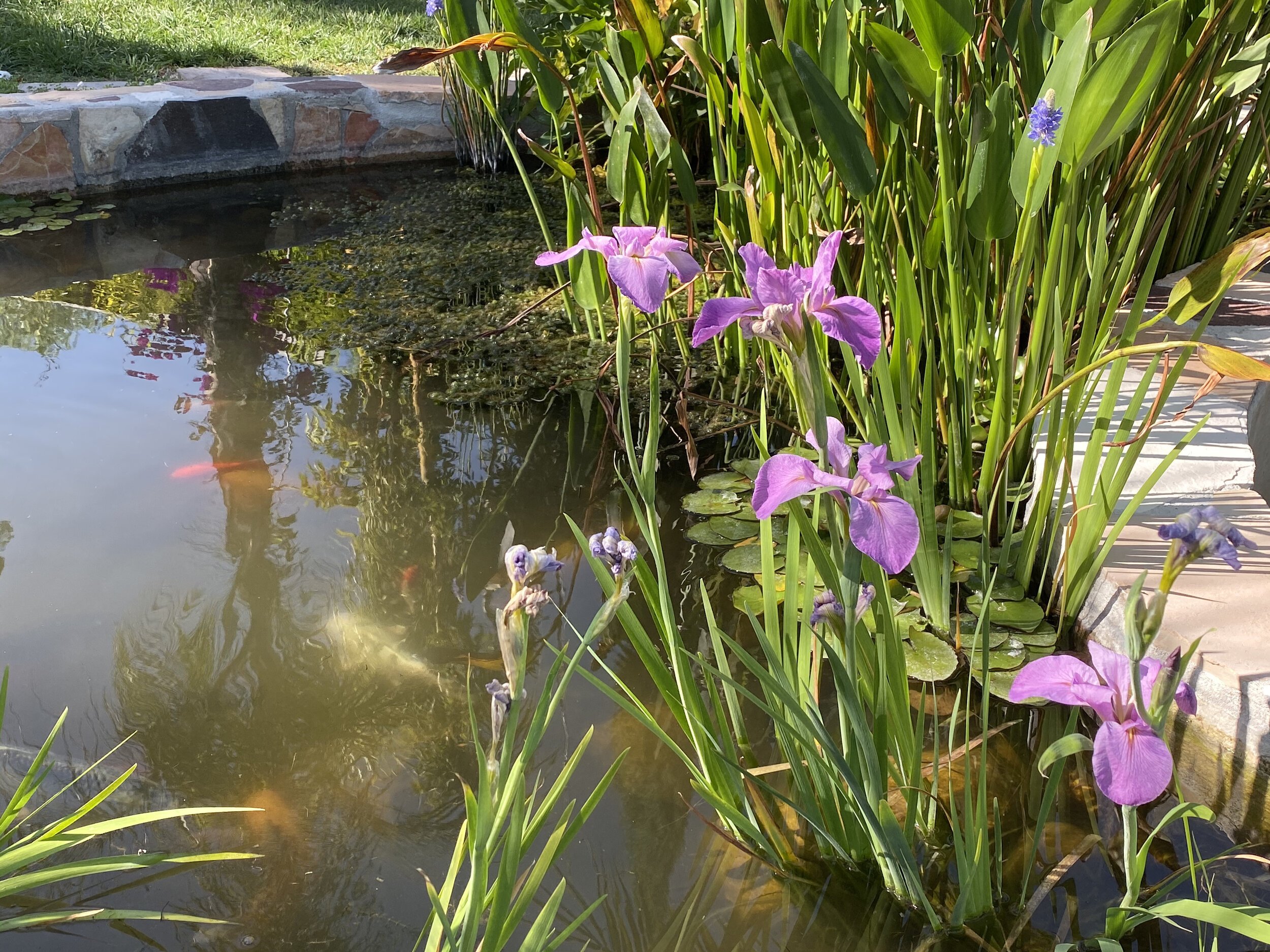
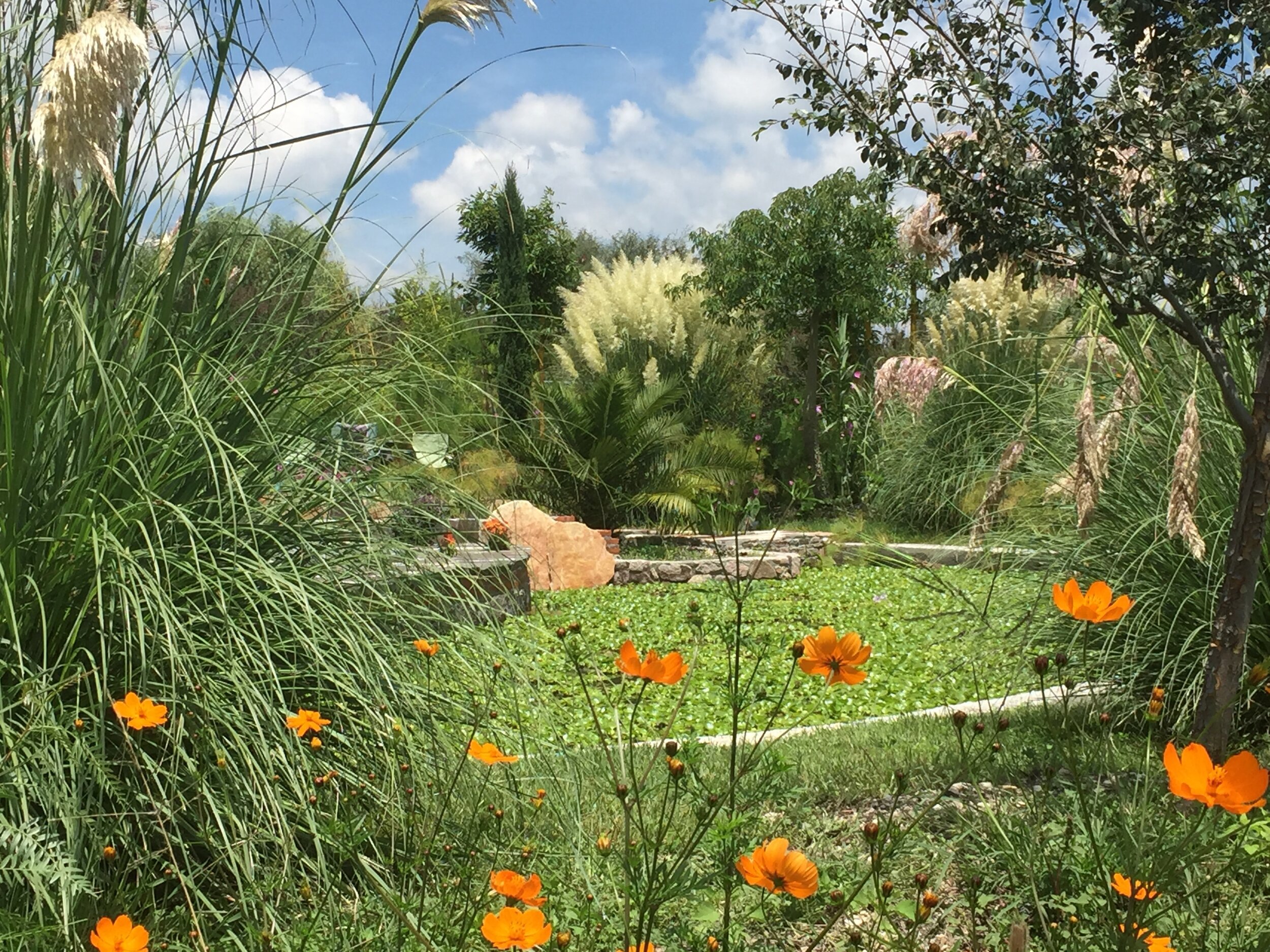
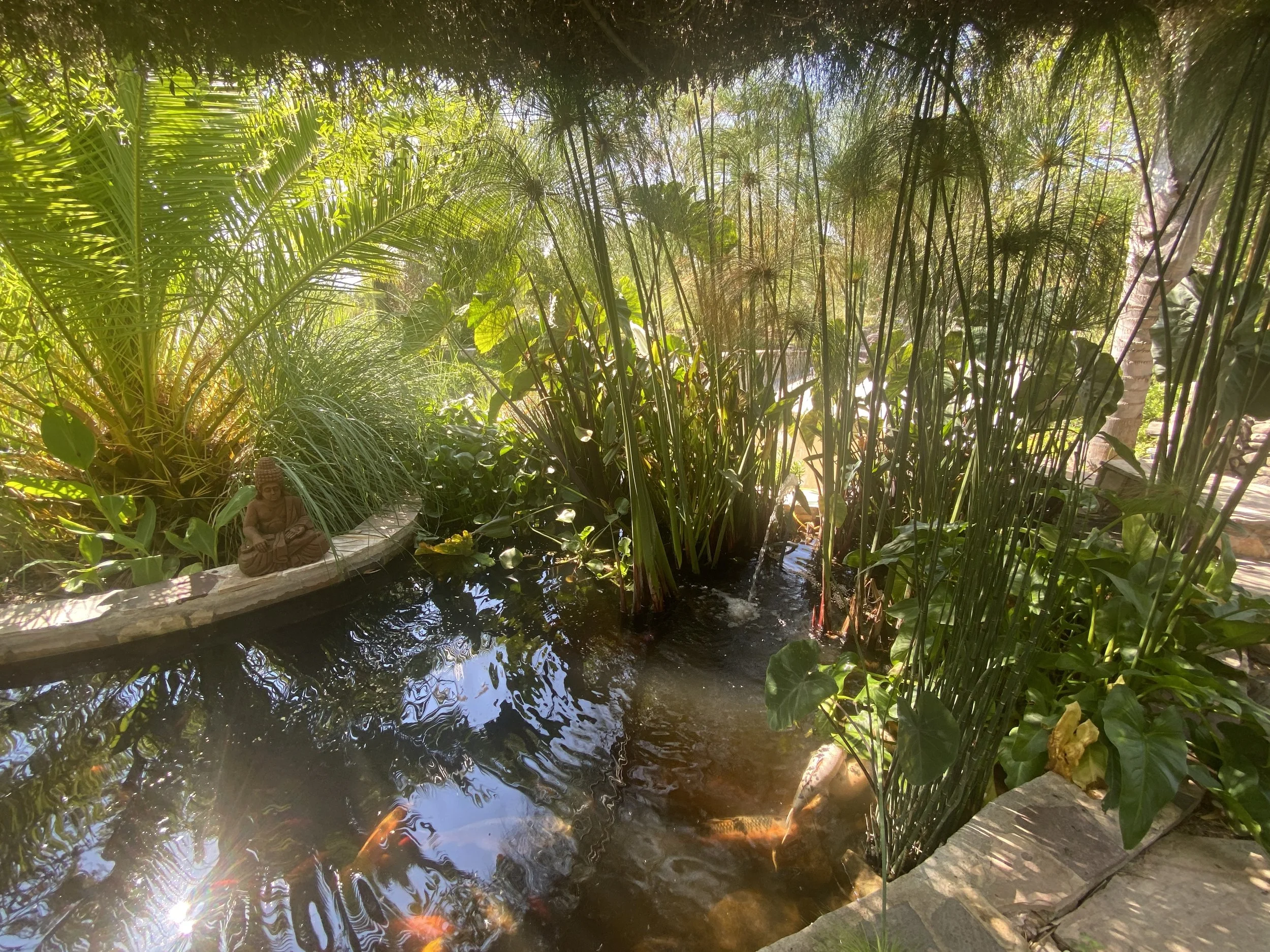
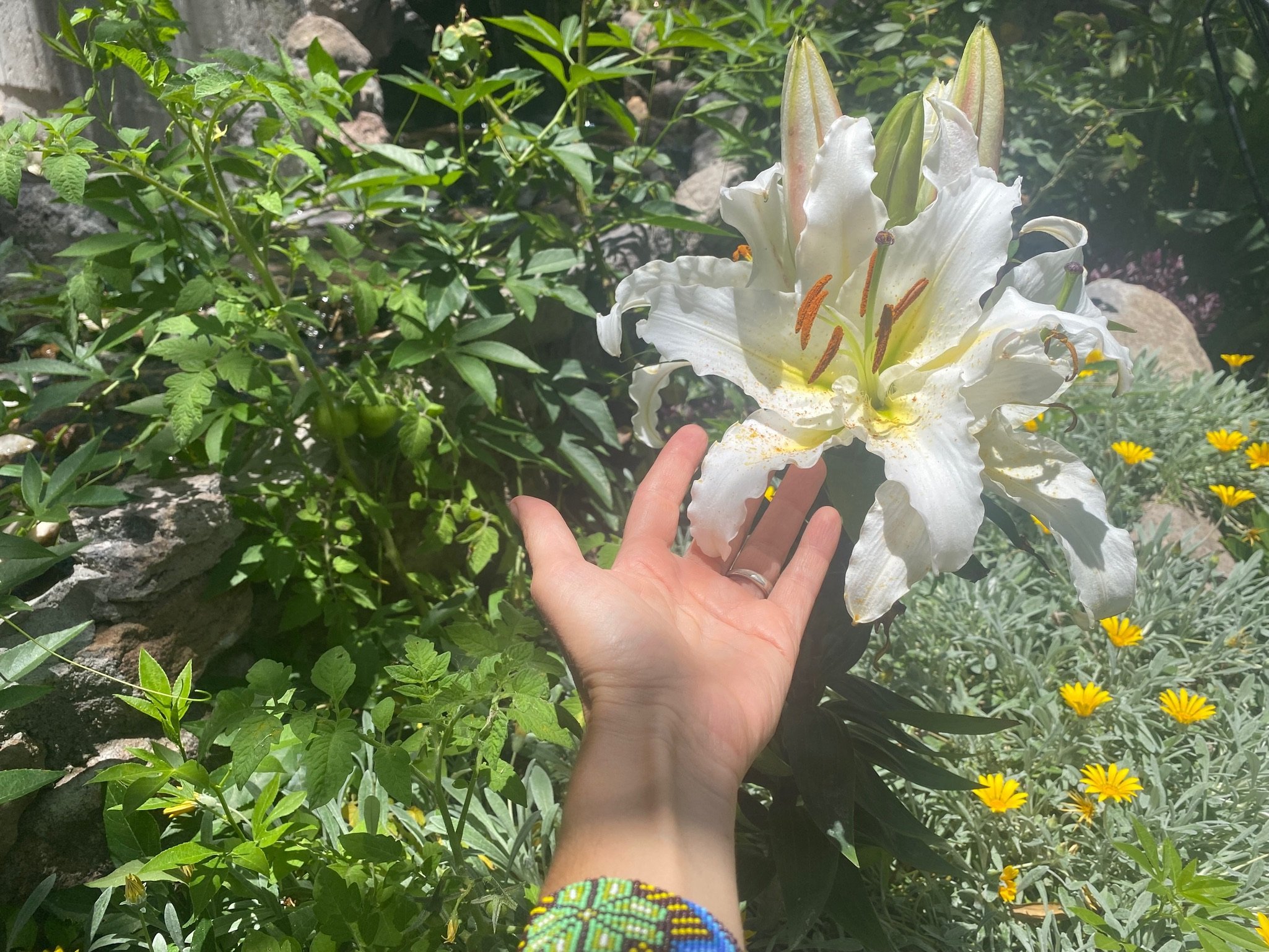
At Tikkun, the stored groundwater and increasingly moist soils has transformed our land into a lush ecosystem.
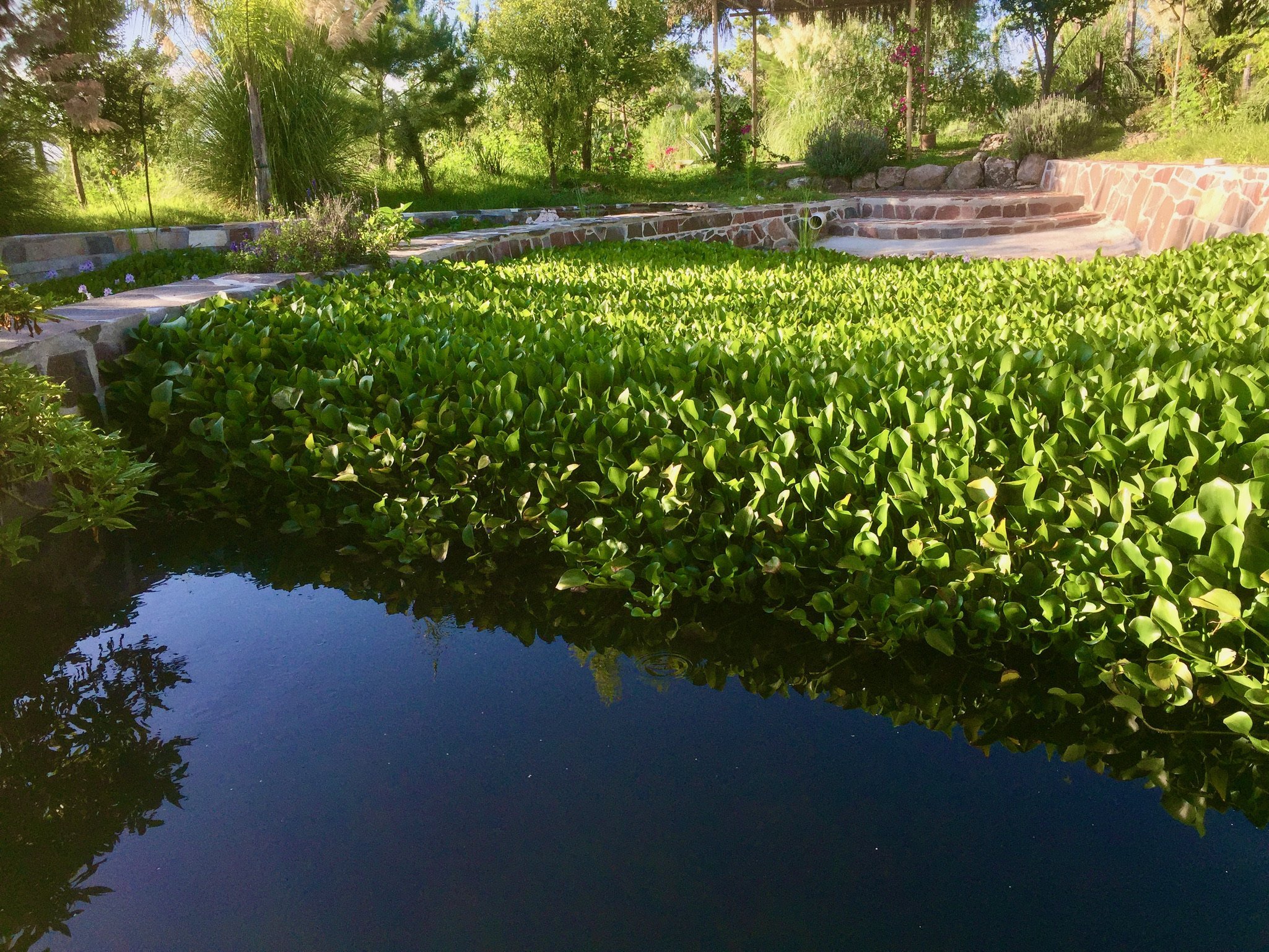
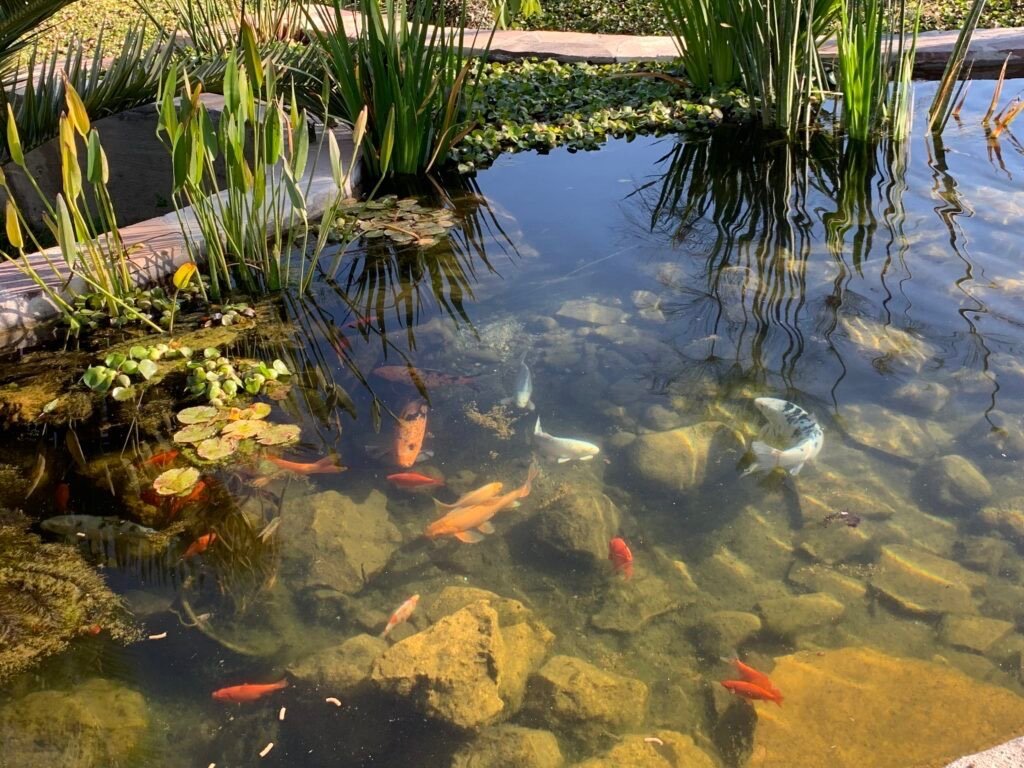
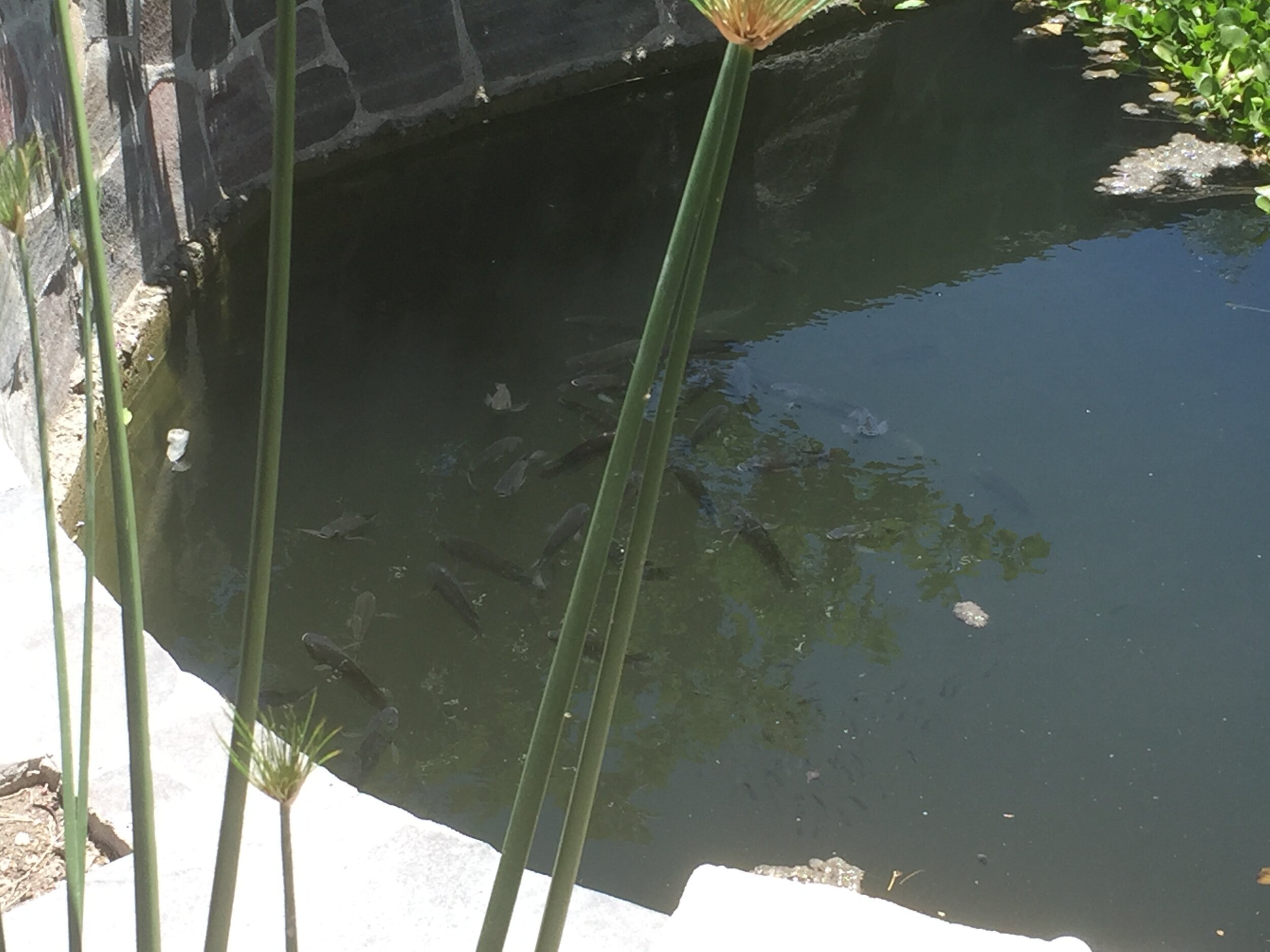
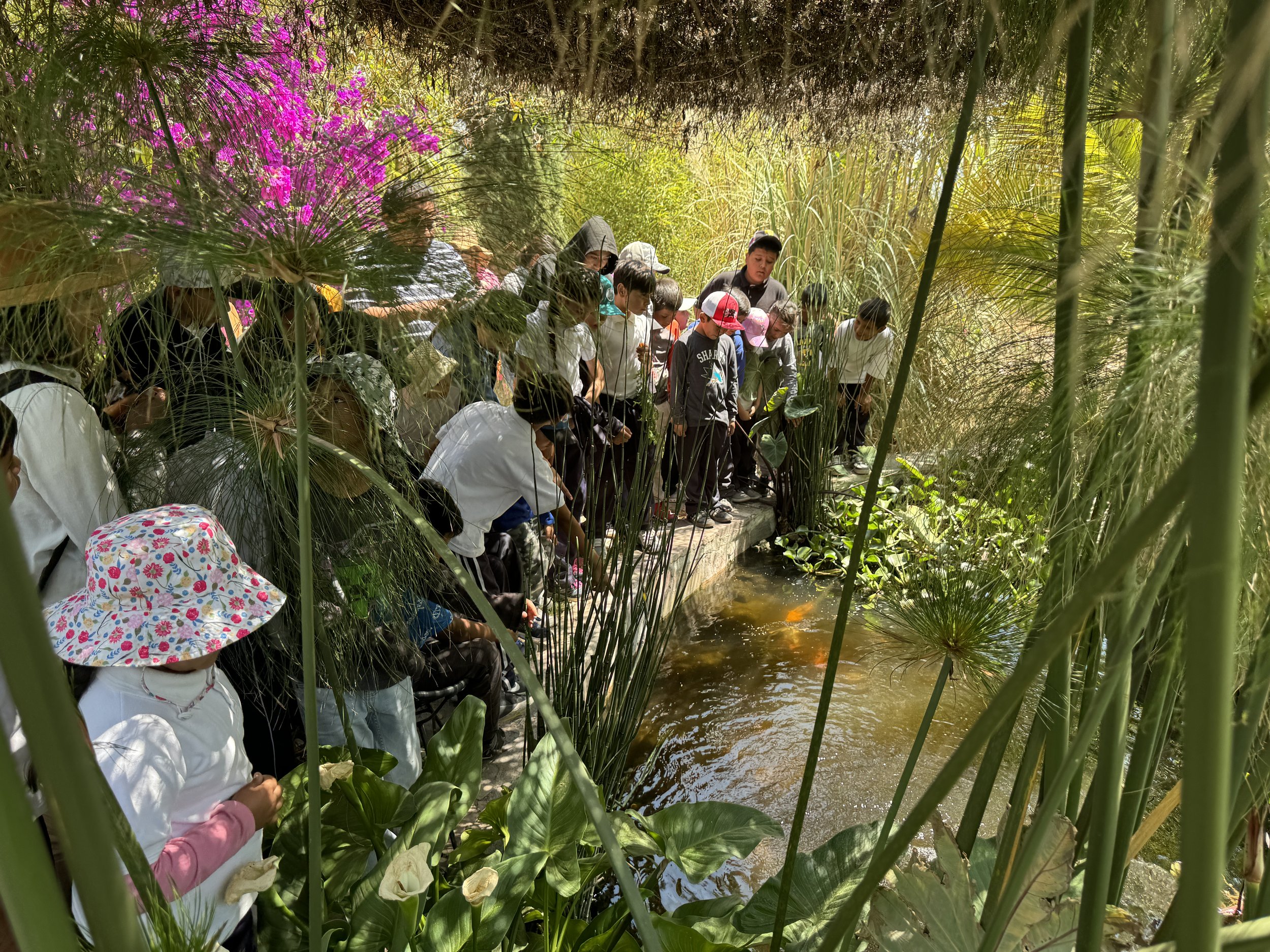
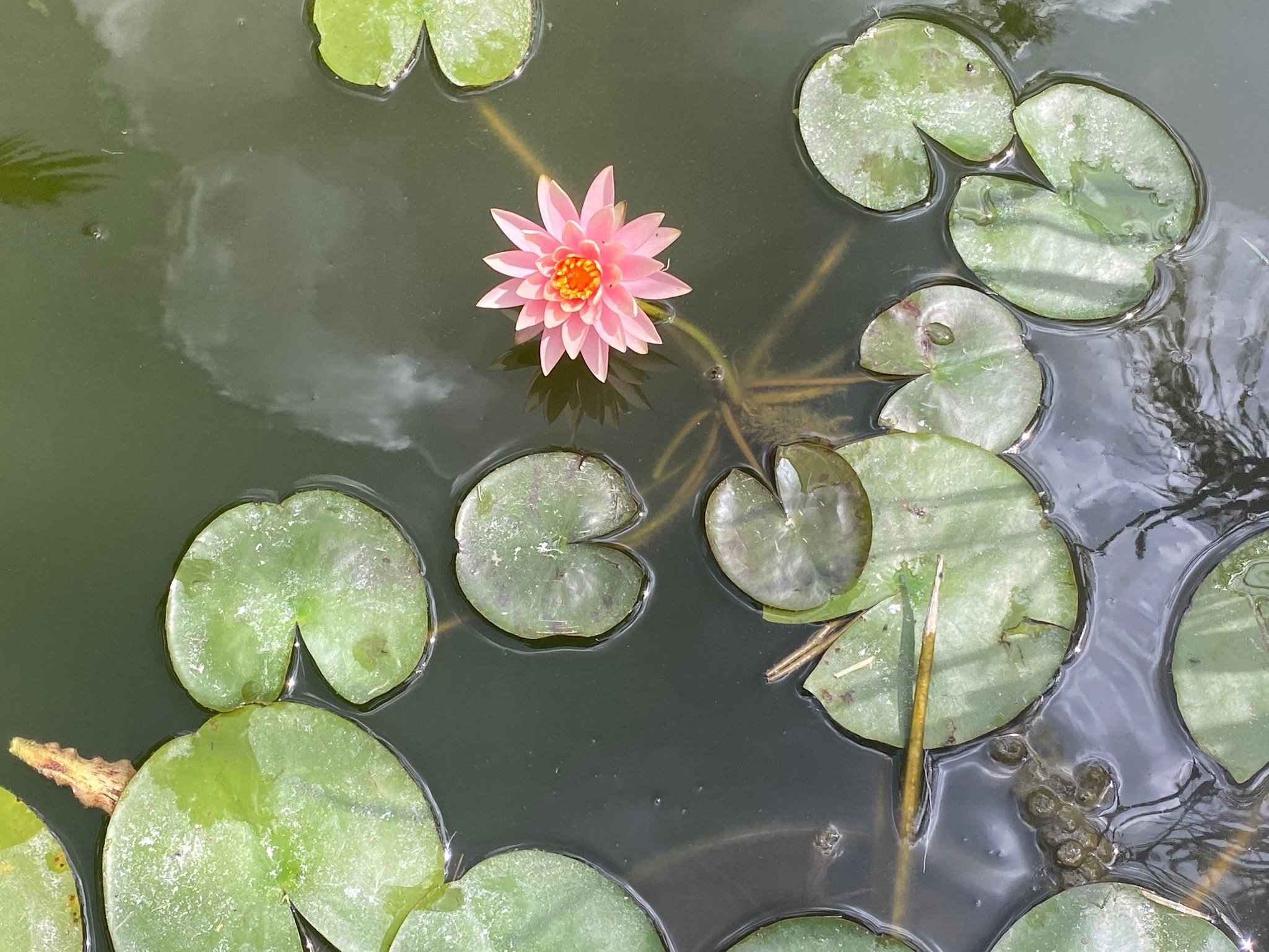
Today our fish ponds are filled with edible tilapia and ornamental koi, visited by wild ducks, herons, and a variety of beneficial insects. These visitors bring wild seed that adds biodiversity to our landscape over time.
The nutrient rich pond water is used to irrigate our landscape, leading to lush, healthy growth.



What do Dryland Permaculture practices do?
Capture essential rainwater during monsoon storms
Slow rainwater run-off
Reduce or reverse soil erosion
Spread rainwater across the landscape
Penetrate water deeper into the soil
Retain water for the dry season
Allow for reforestation
Restore ecosystems and create lush habitat
Create water and food security for communities
Improve opportunities for livelihoods
Rainwater capture offers hope for the future in dry regions.
Ecological destruction and climate impacts are now driving a global water crisis that will lead to food insecurity, social conflict, and mass migration in the coming years.
As the 5 Most Epic Earth Healing Project video shows, dryland Permaculture systems can be rapidly implemented on a large scale in to radically transform semi arid and arid regions, bringing immediate improvement in human and ecological health.
We can transform drought and poverty to abundance.