OUR CENTER
Regeneration in the heart of Mexico
Welcome to Tikkun
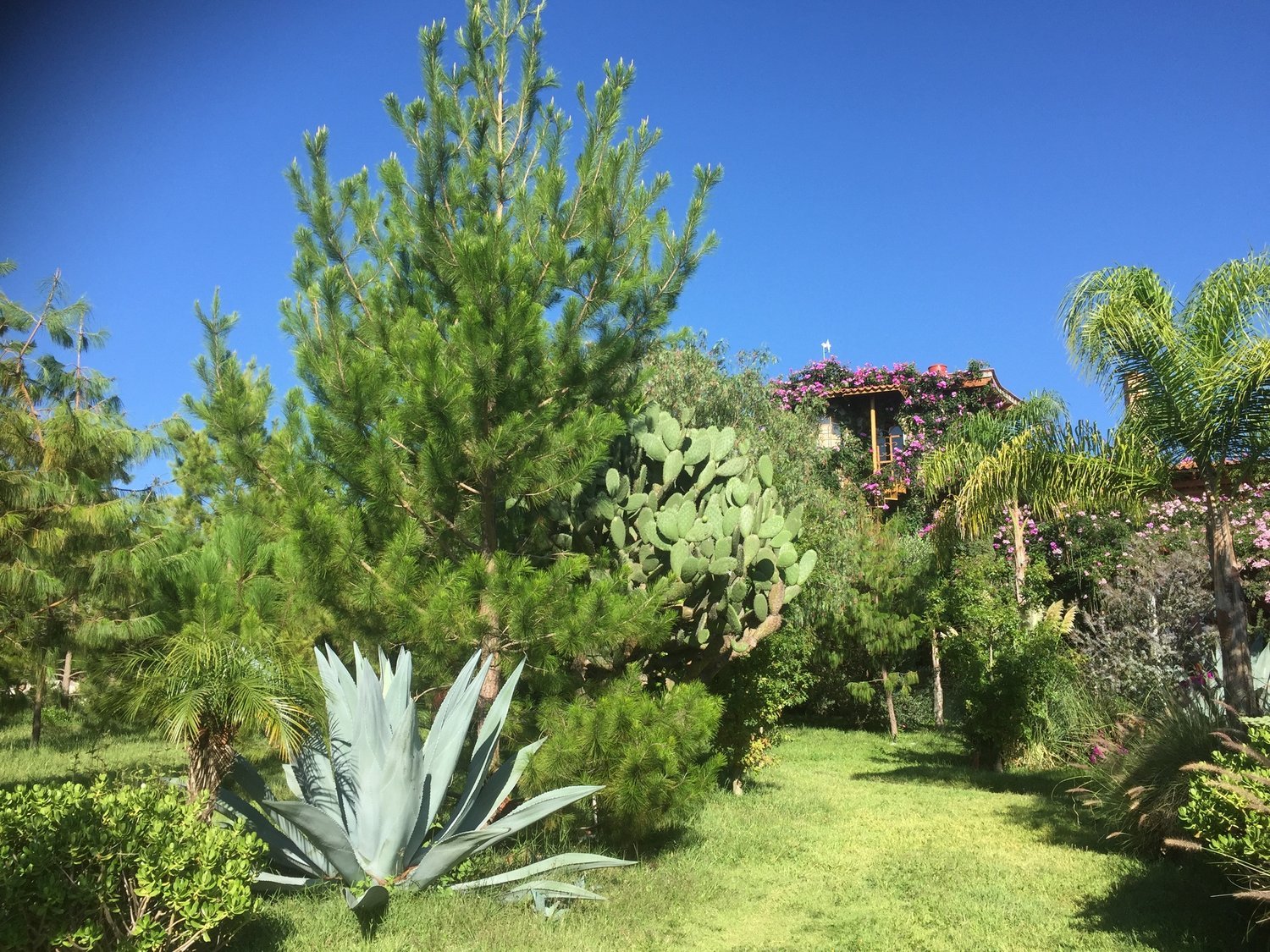
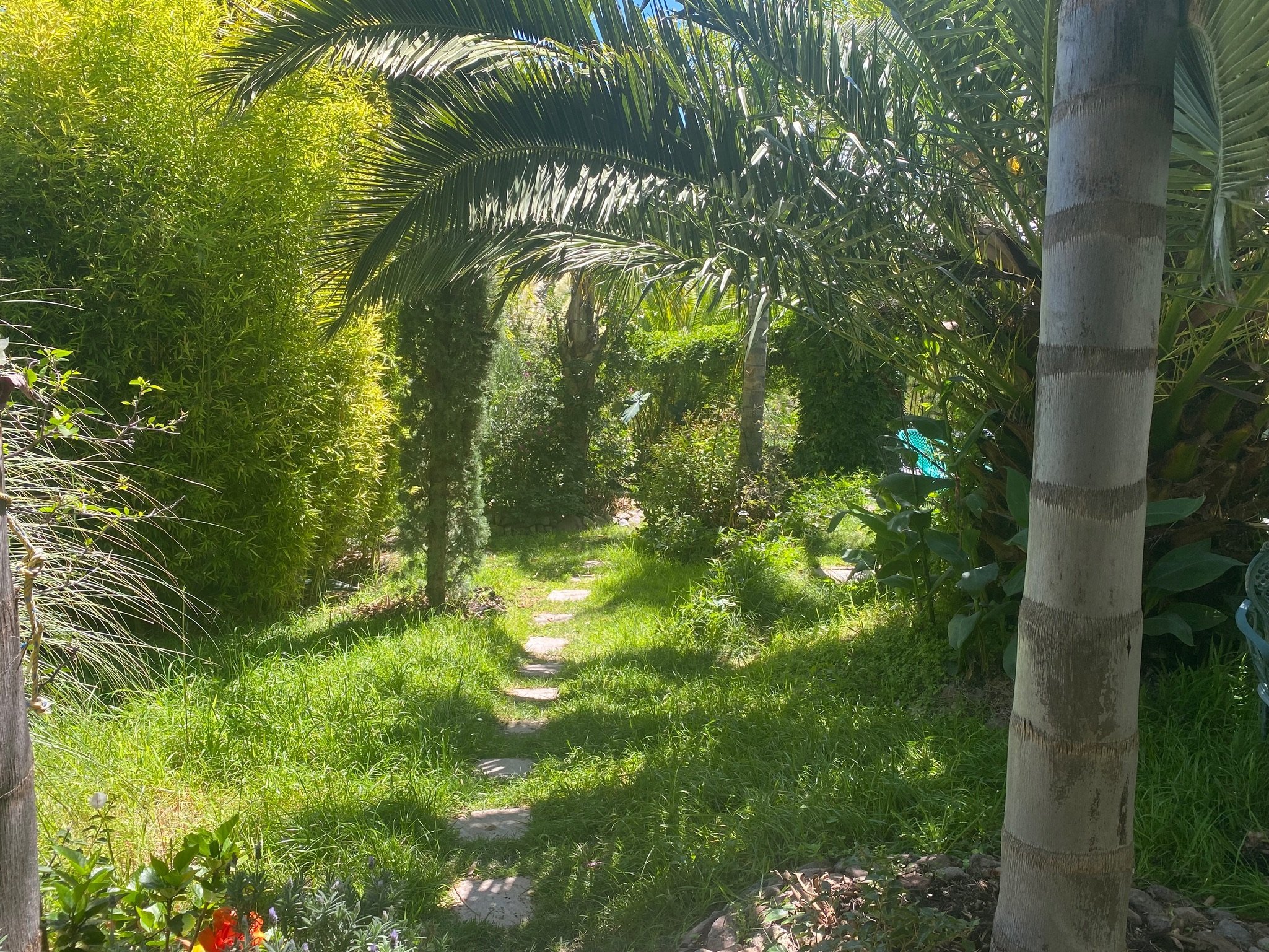
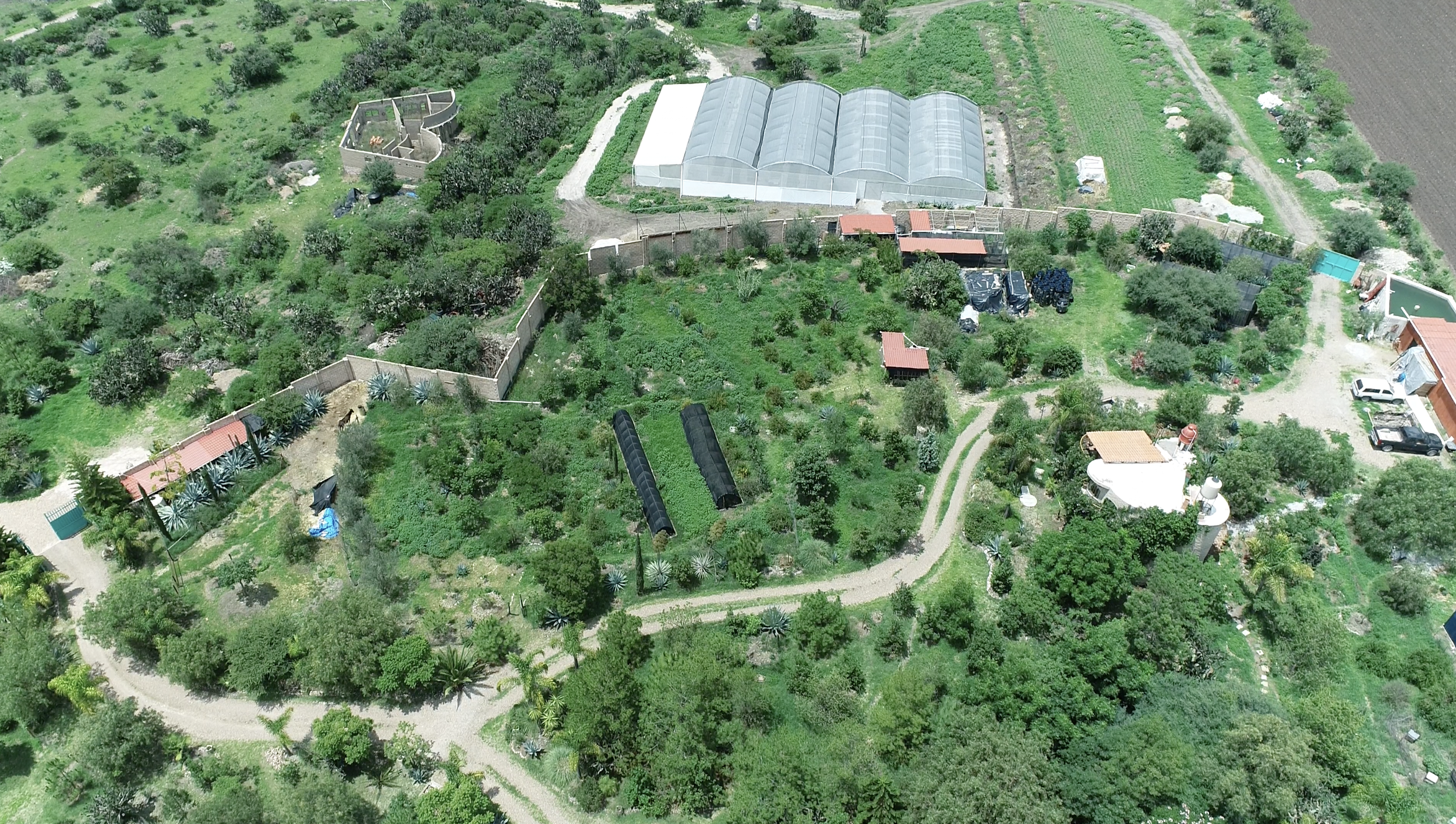
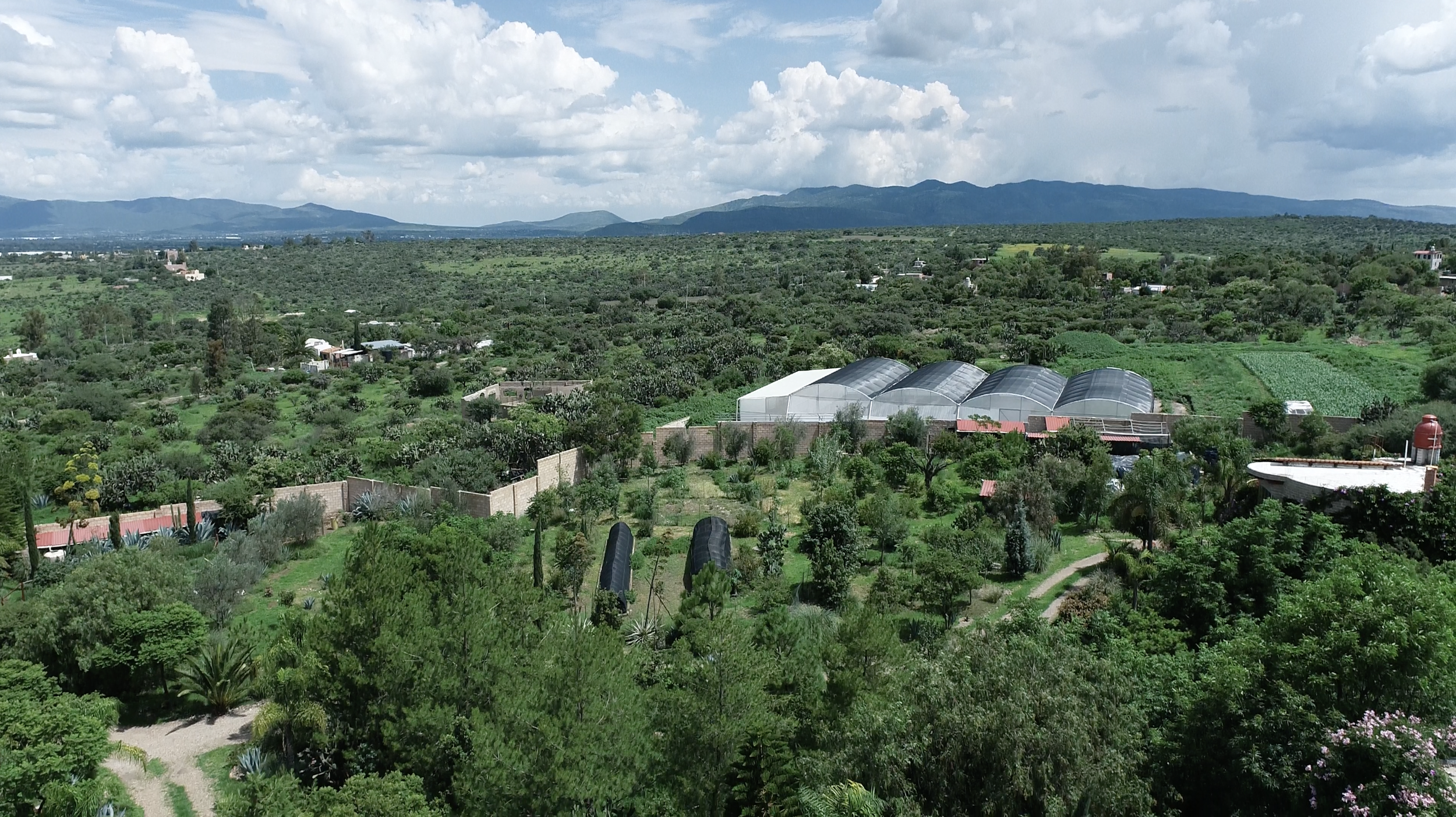
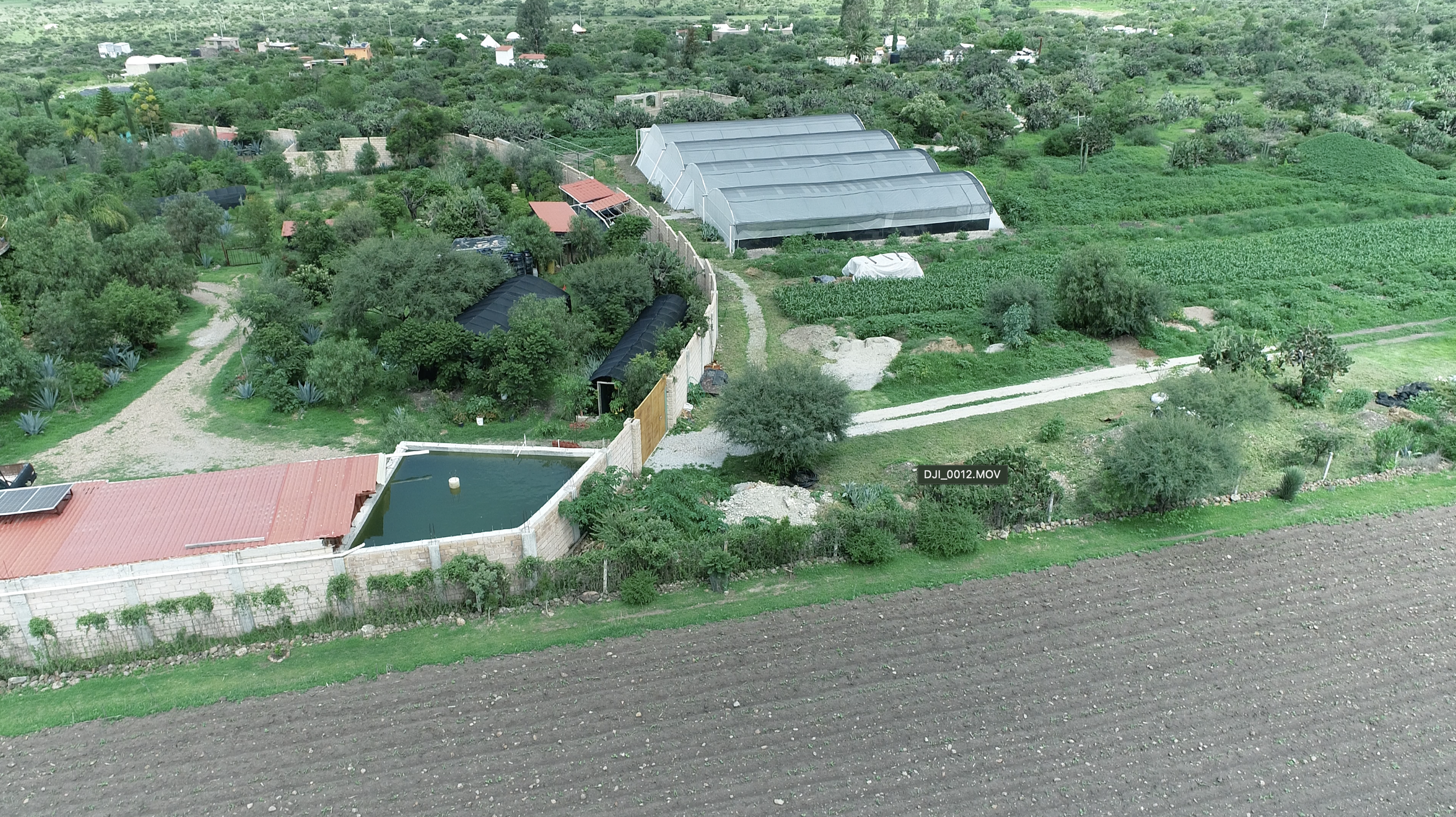
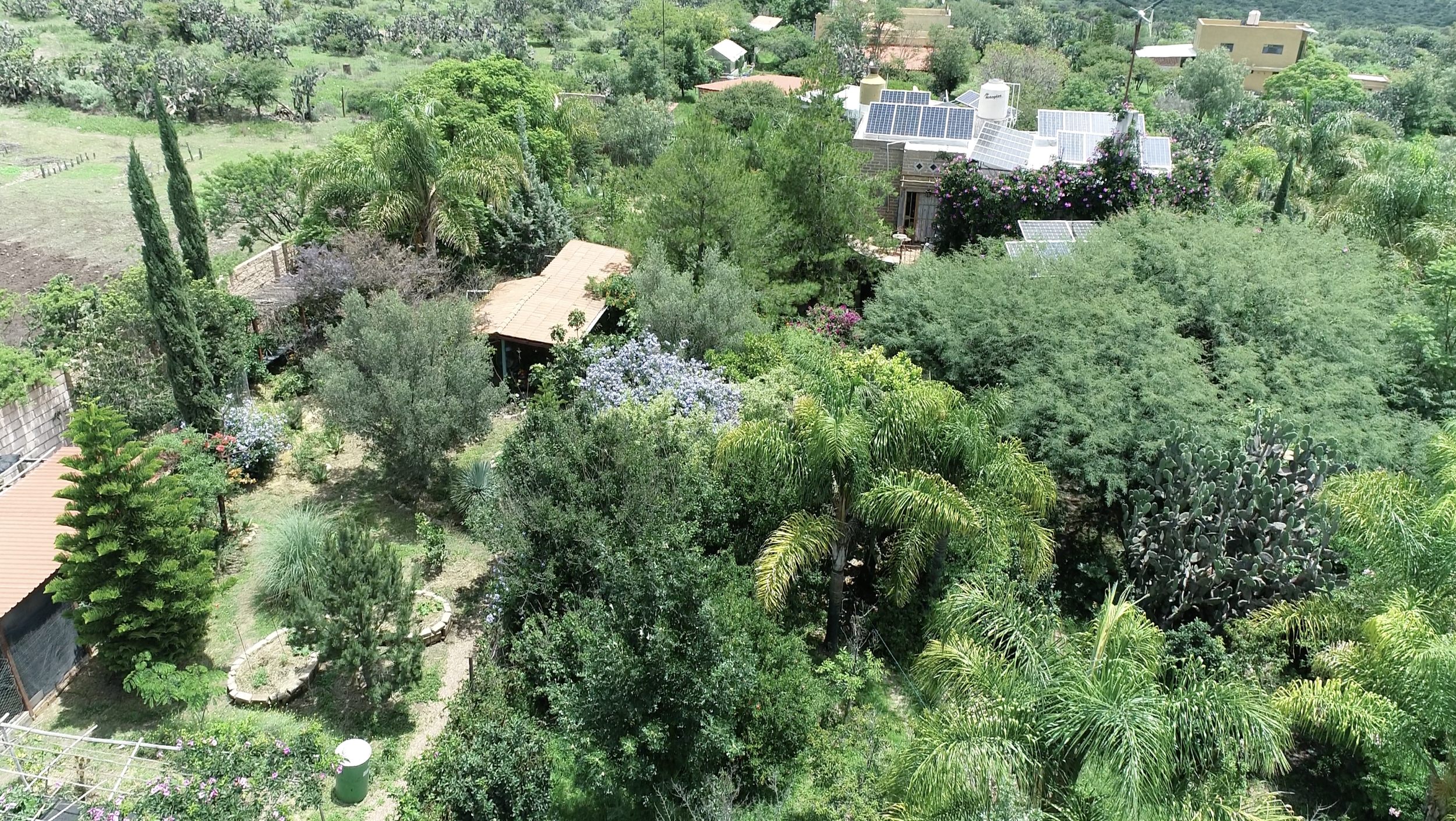
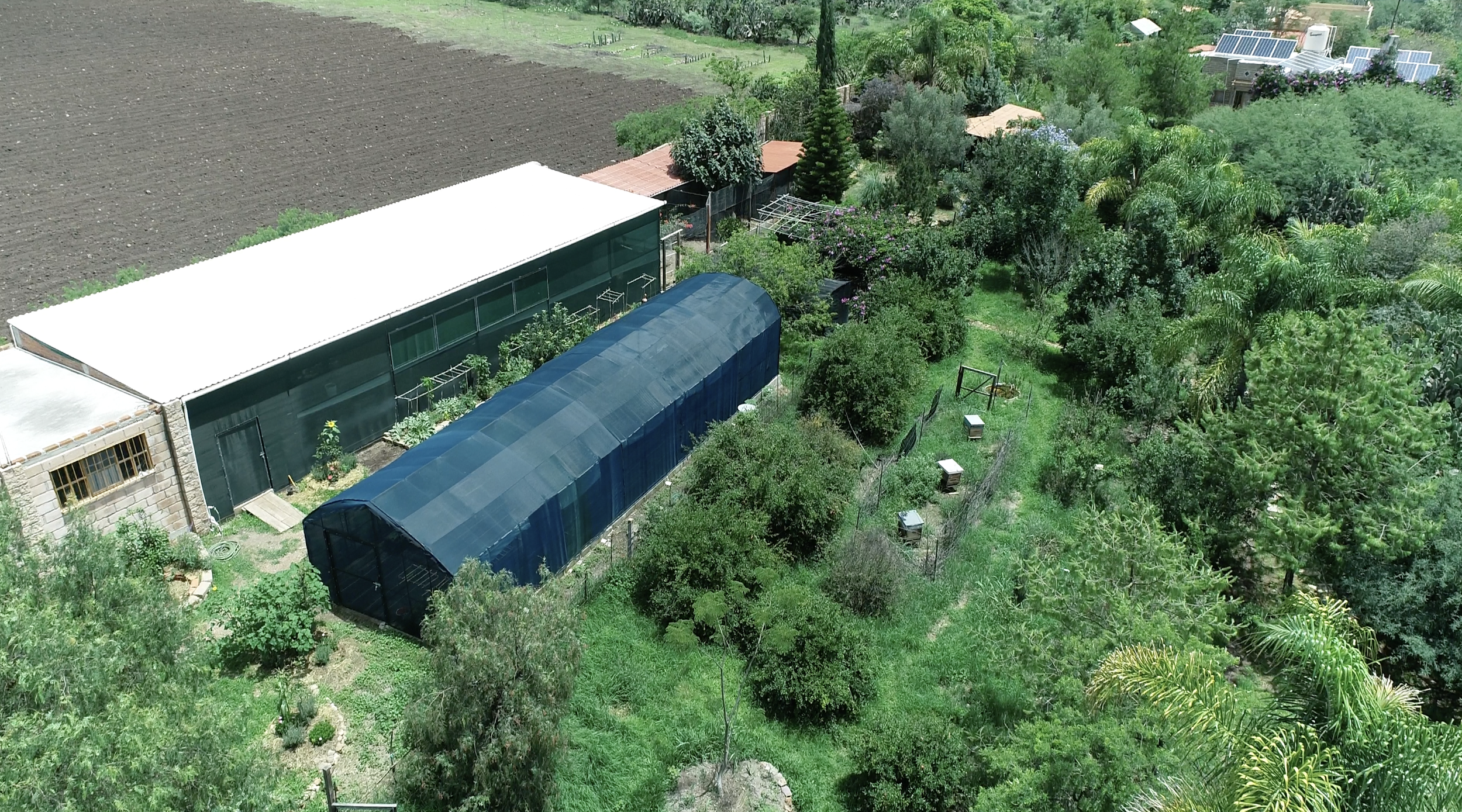
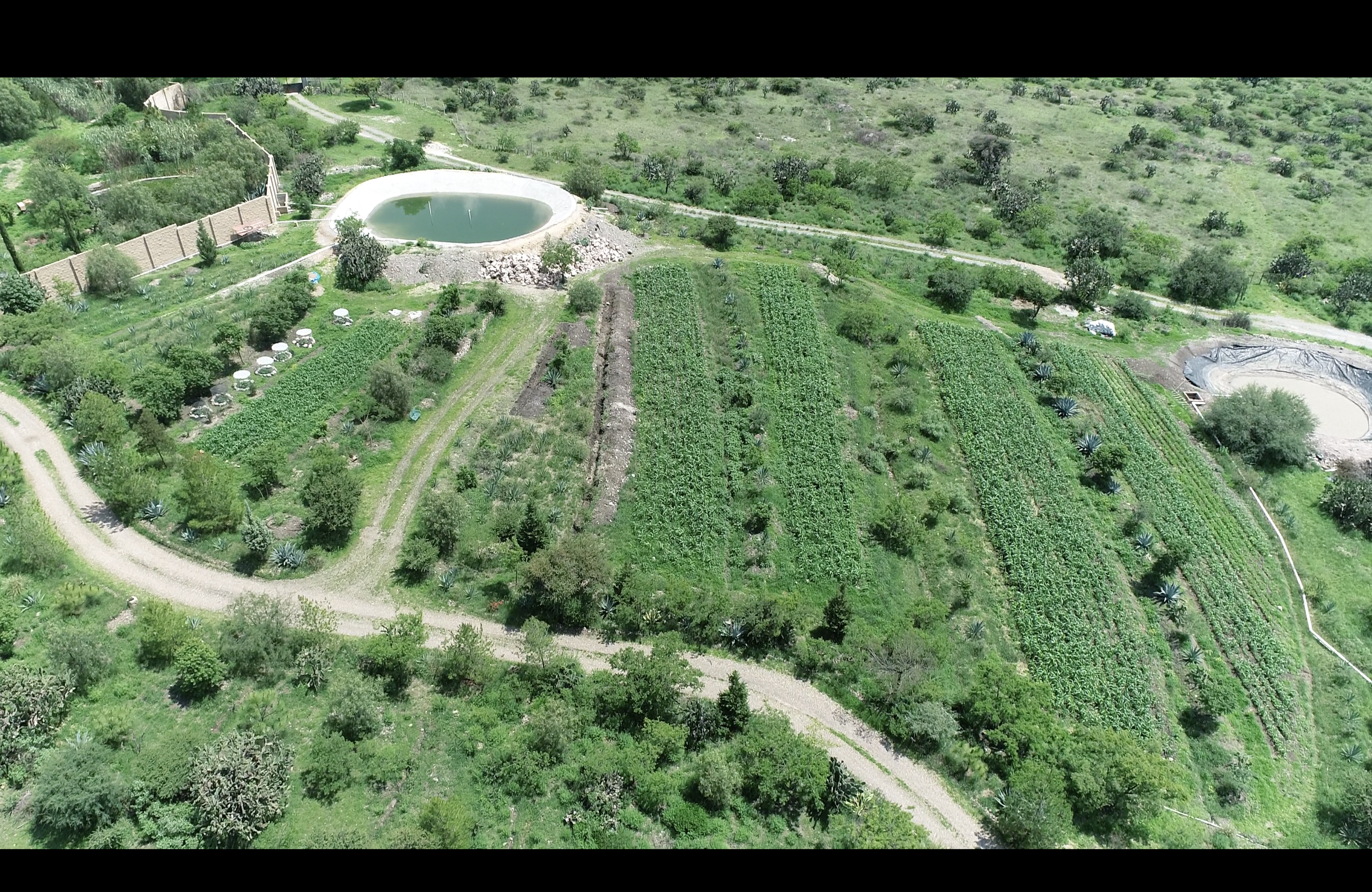
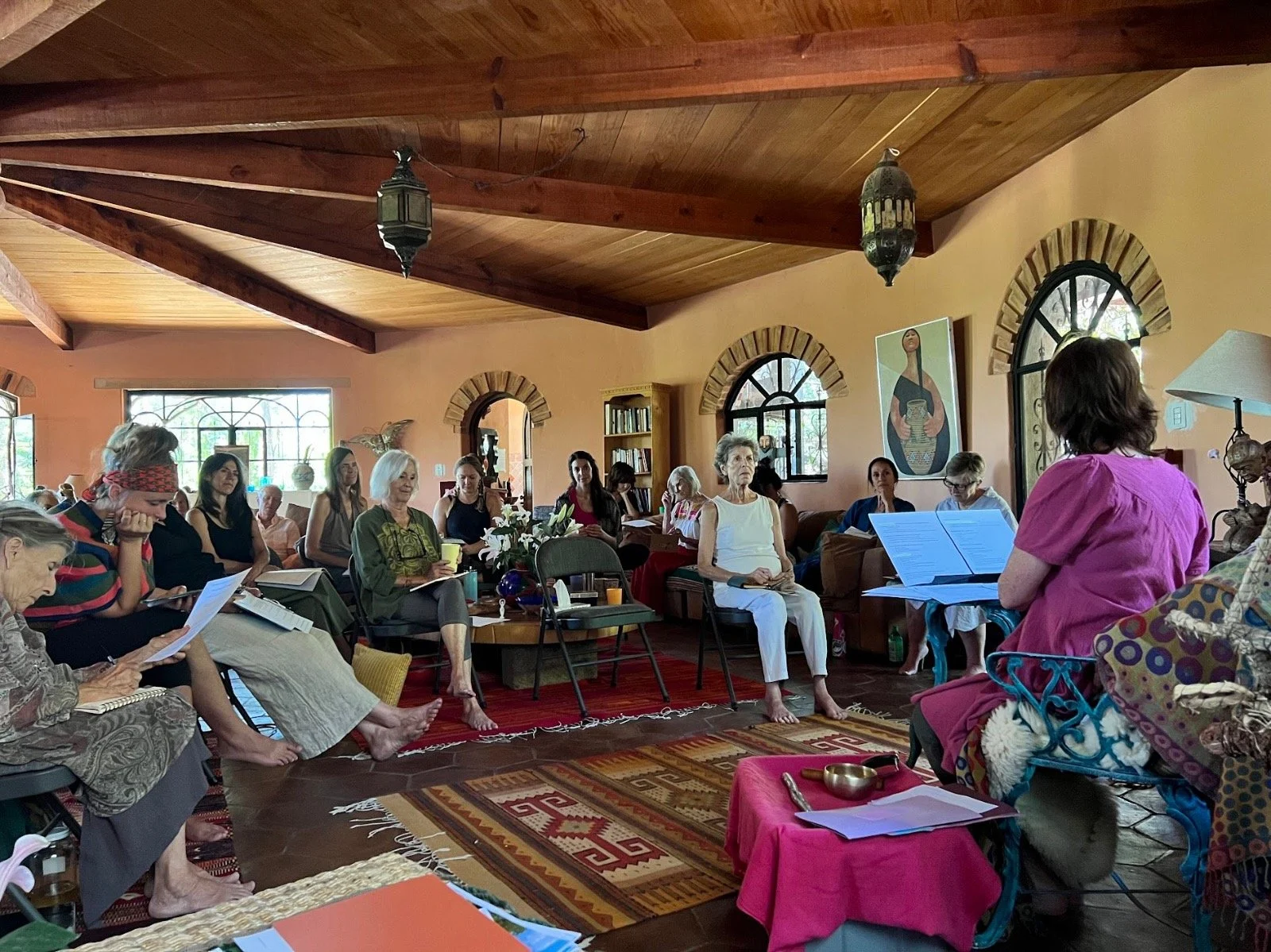
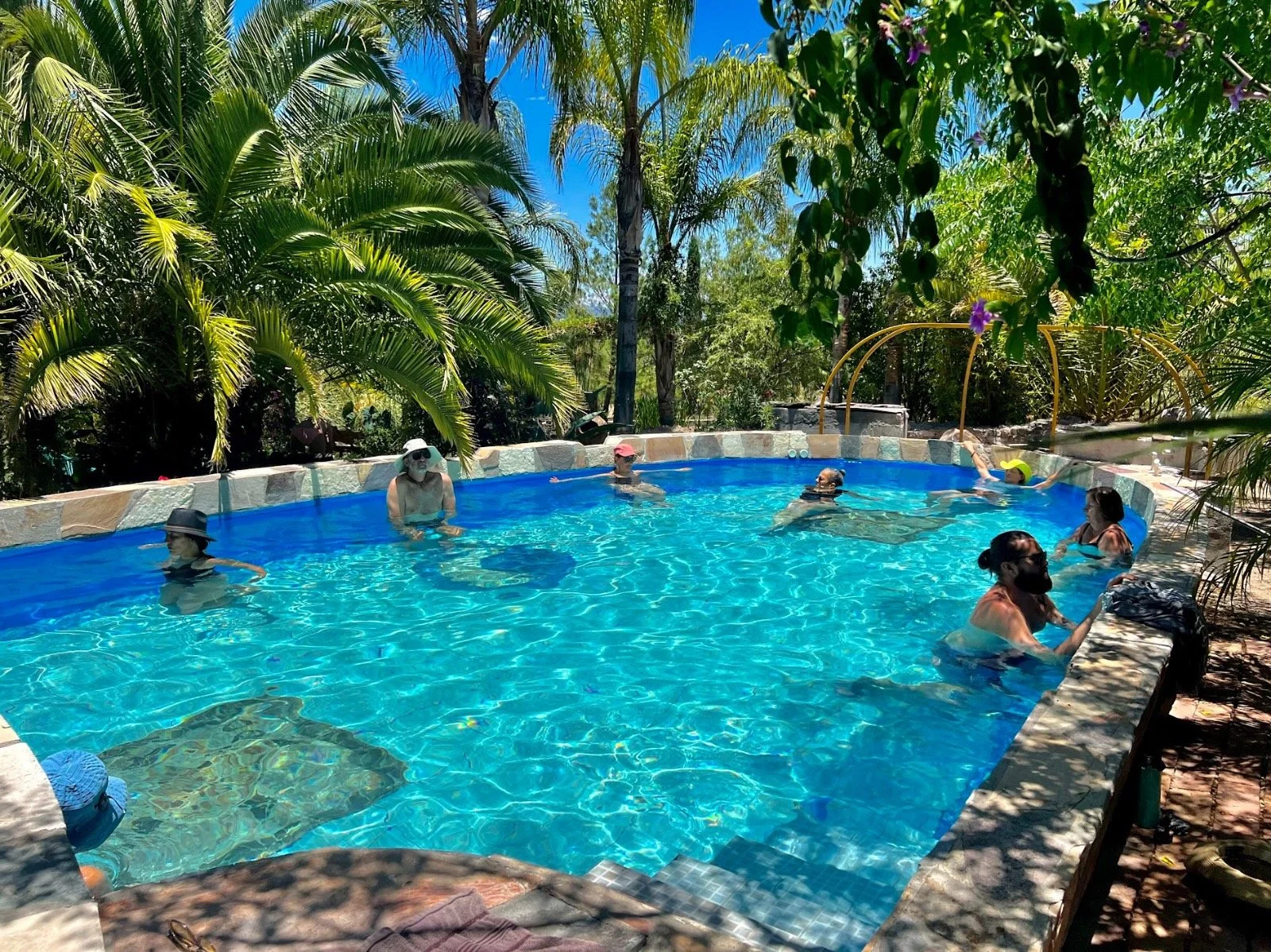
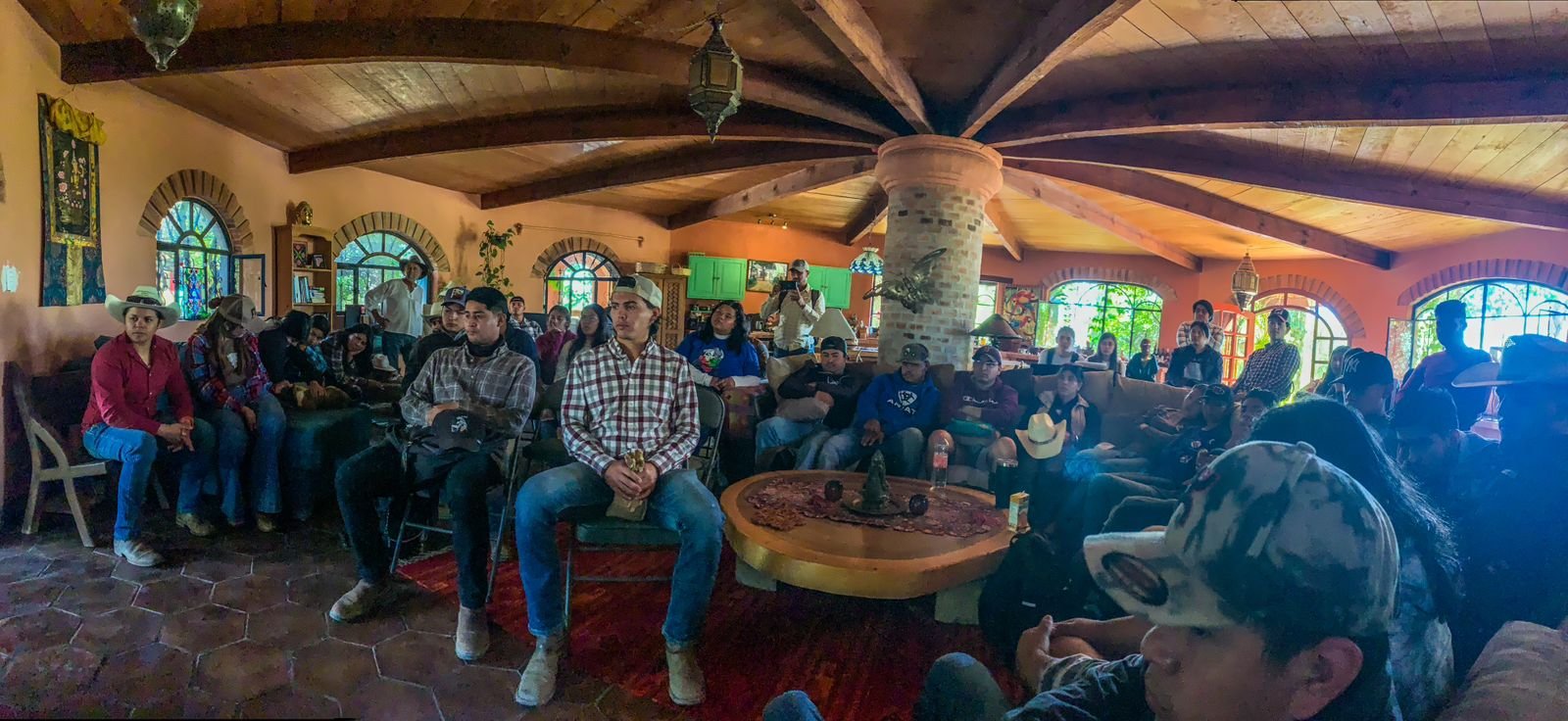
The Tikkun Institute is much more than our headquarters—it is our home, our living classroom, and the heart of our work, demonstrating what is possible when people work with nature instead of against it. Every part of the property reflects our belief that healthy land and healthy communities are deeply connected.
Eighteen Years of Learning From One Piece of Land
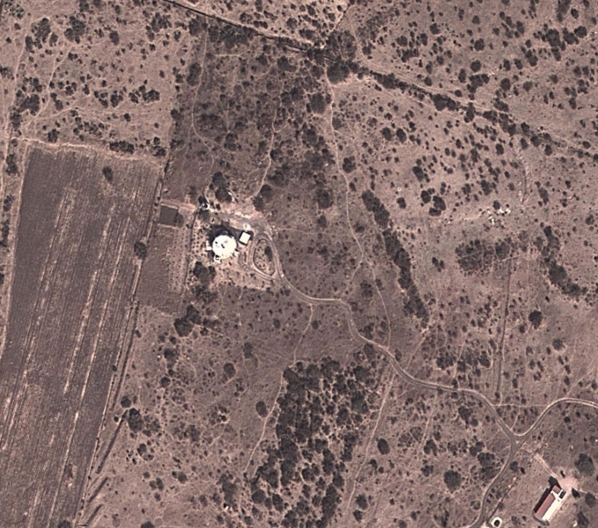
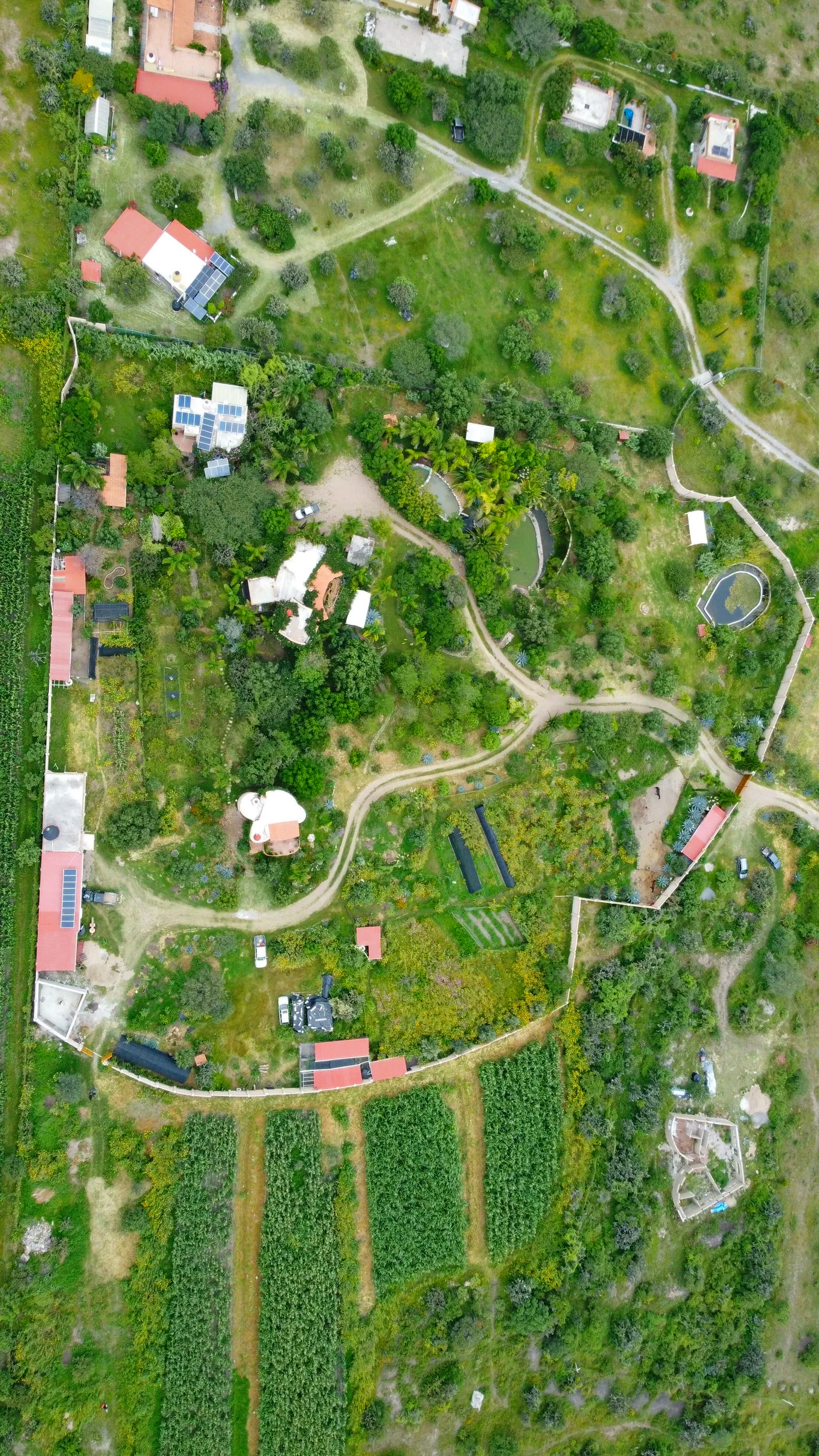
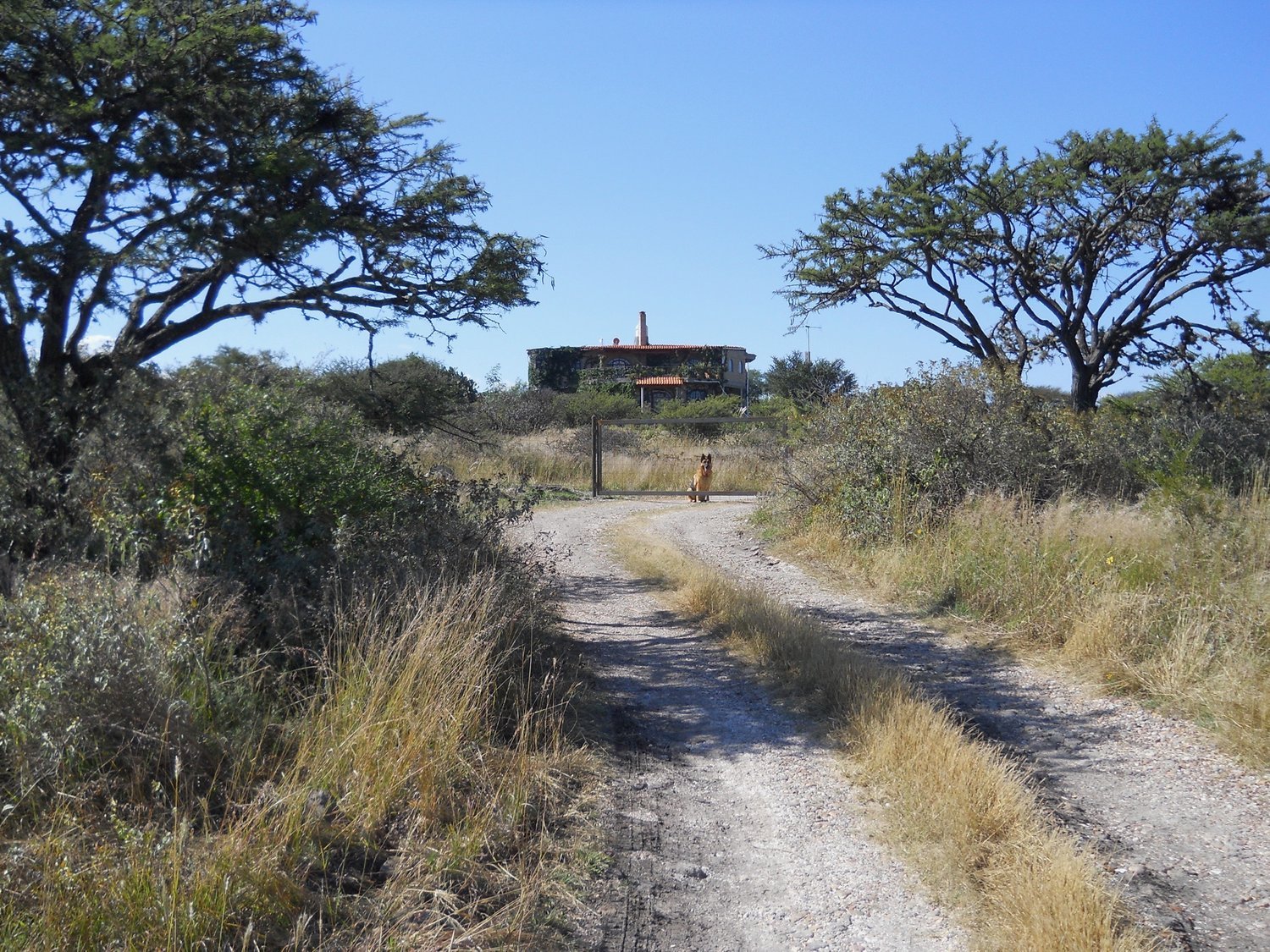
Tikkun began in 2008 on 7.5 acres of degraded semi-arid land in the campesino community of San José de Gracia, north of San Miguel de Allende.
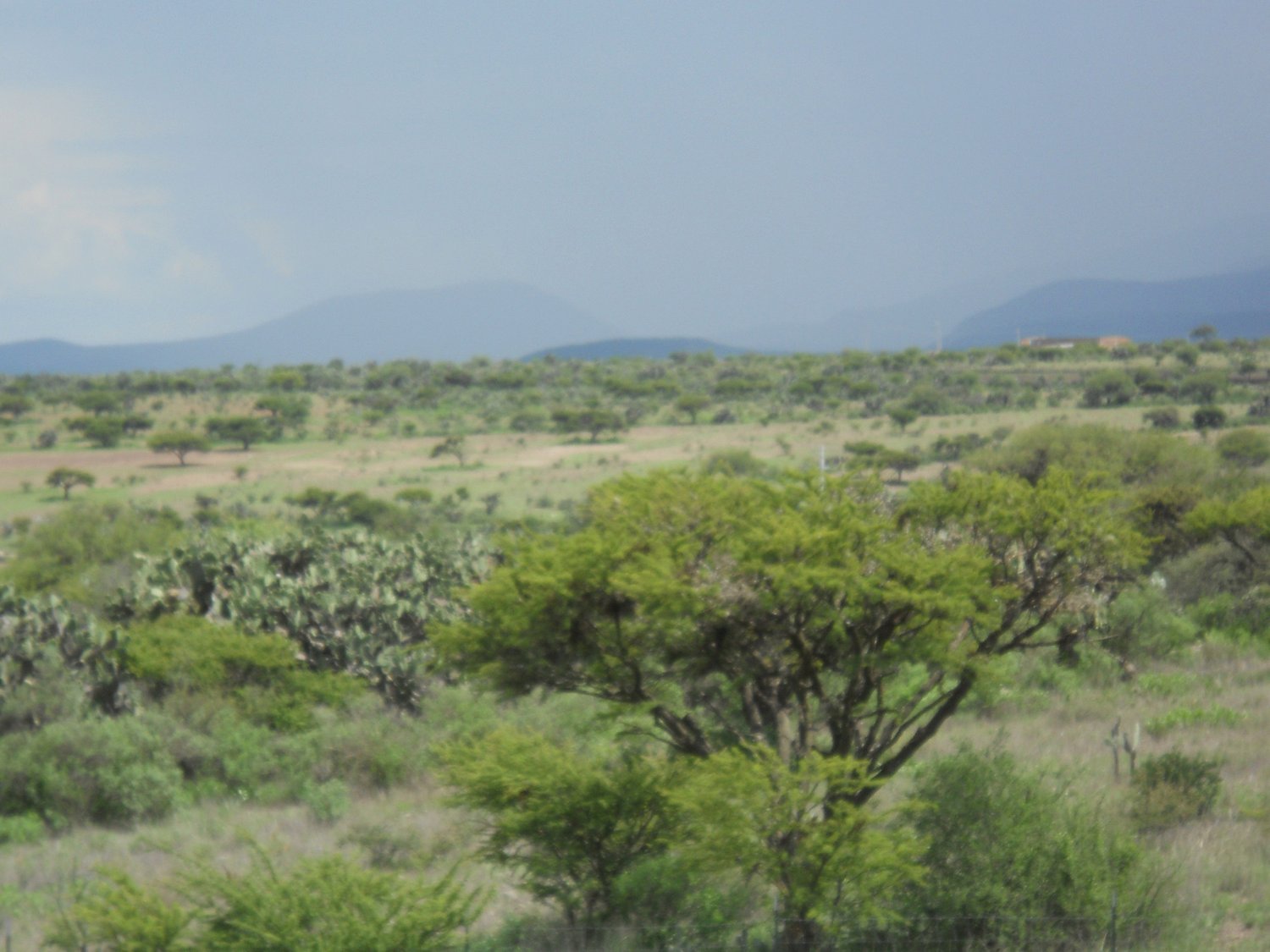
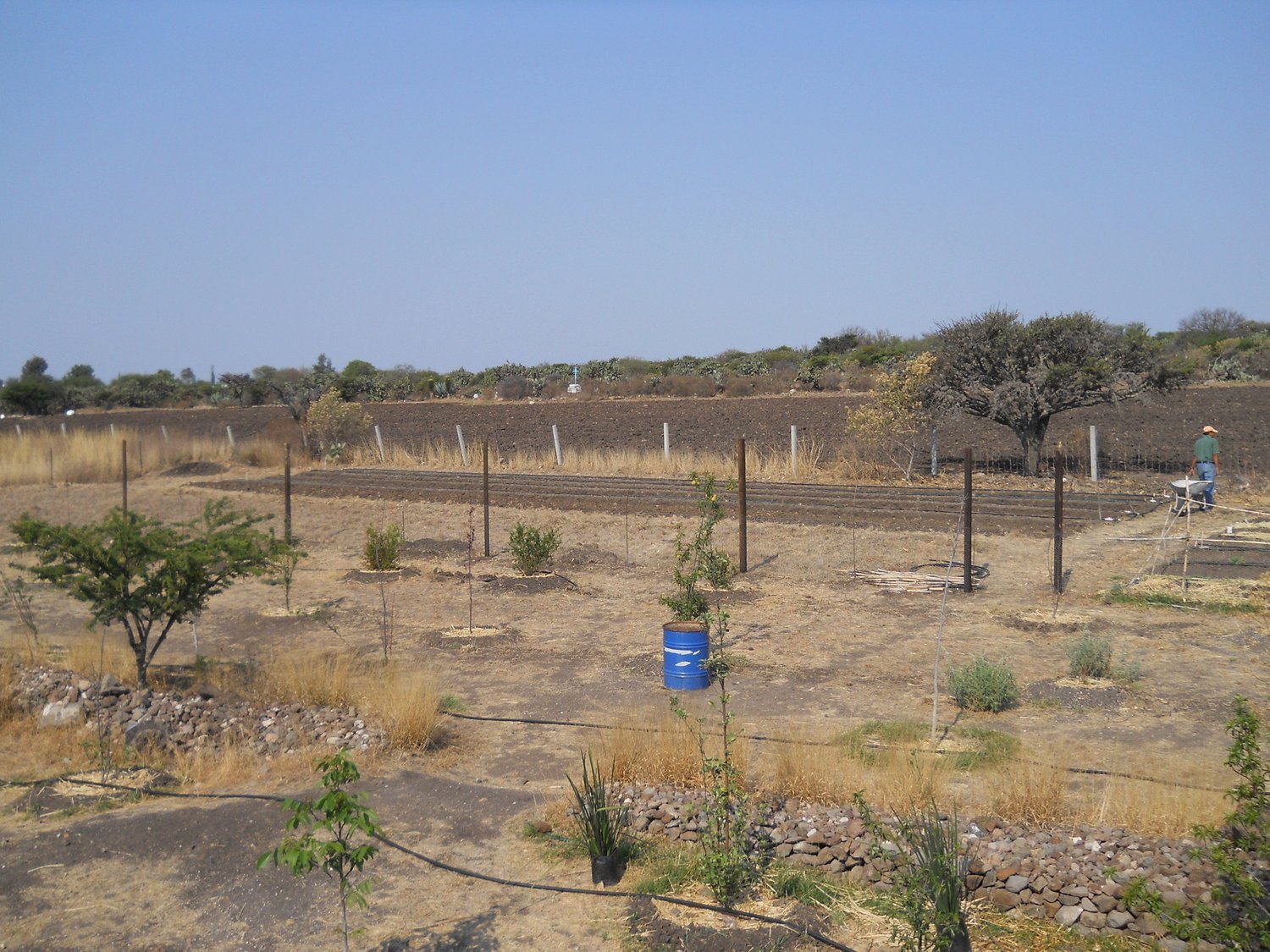
There was no well and little infrastructure. Much of the land was dry scrub, with exhausted soils and remnants of the native vegetation that had once characterized the region.
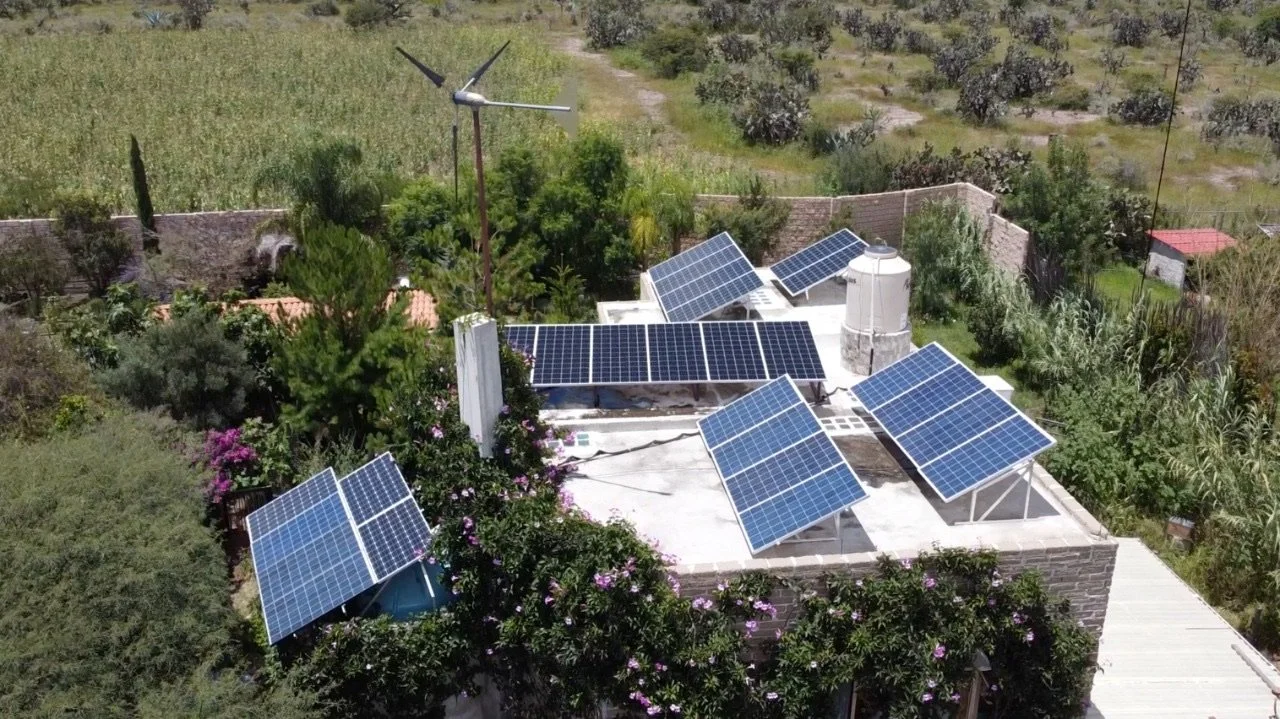
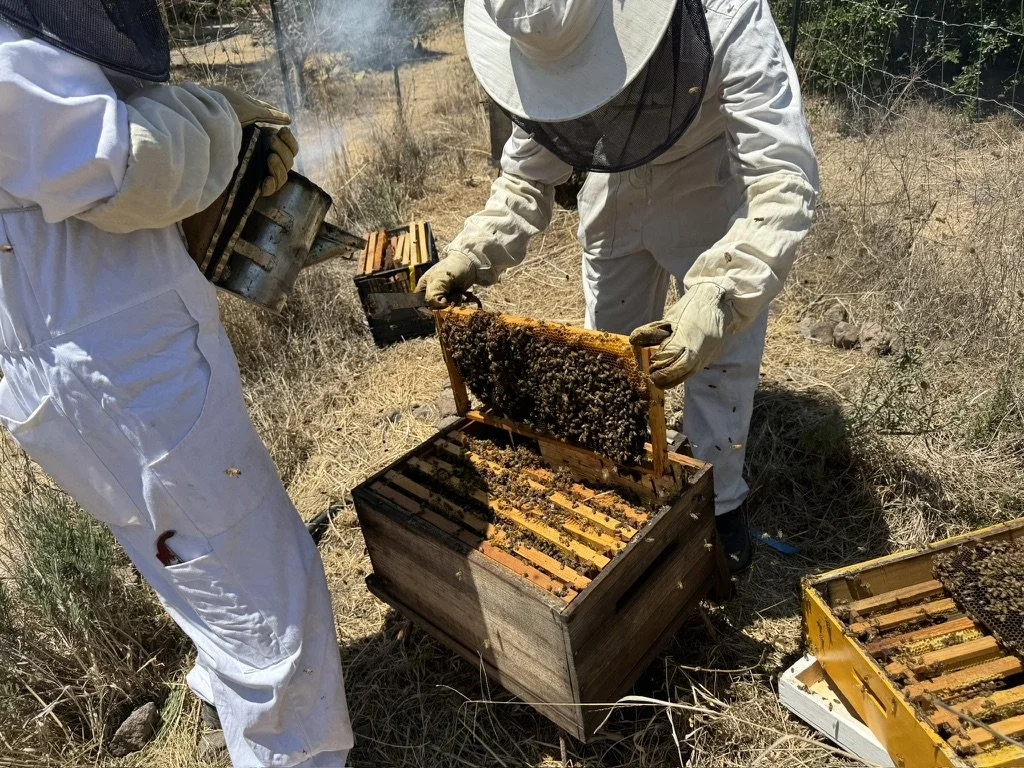
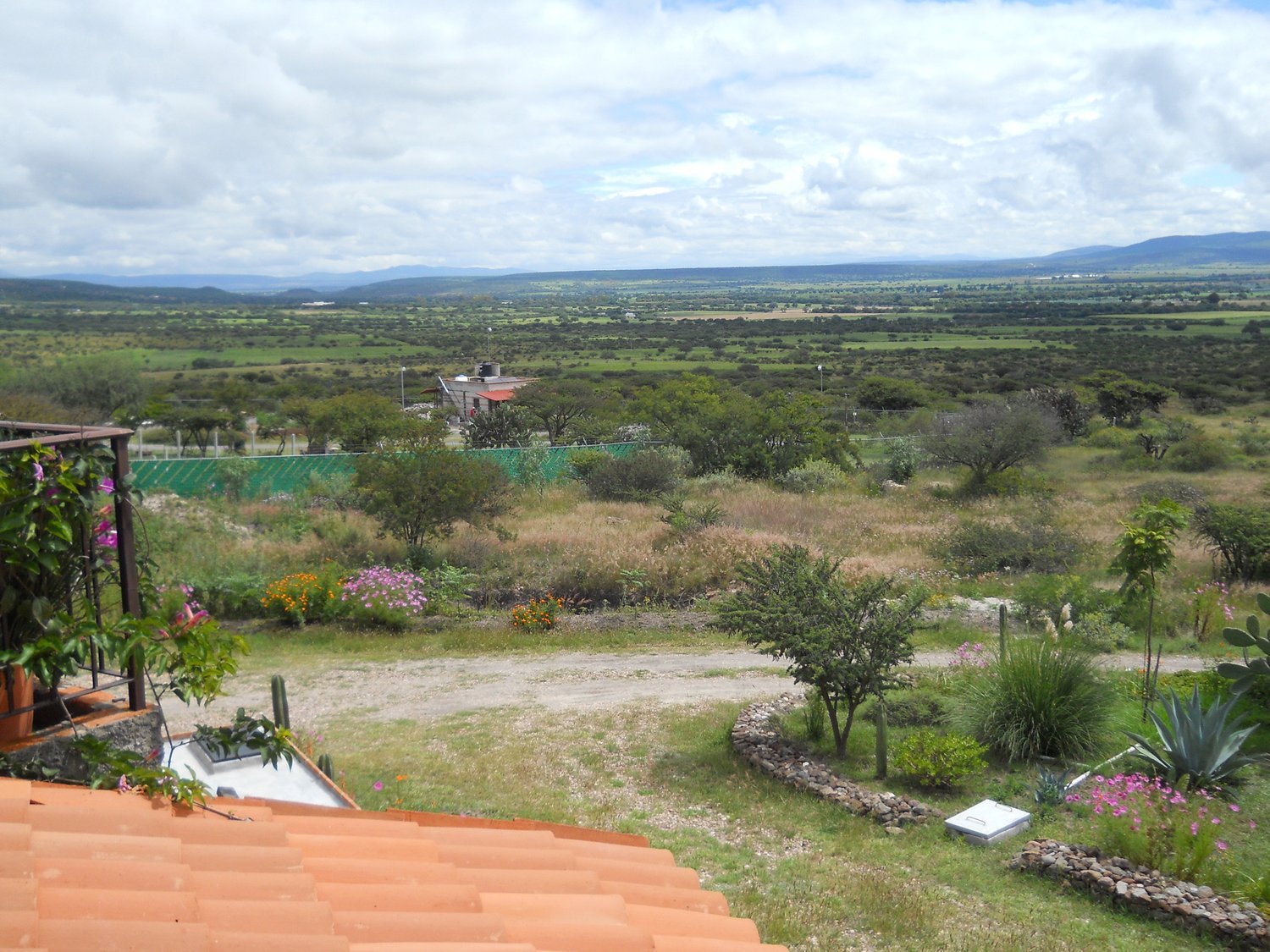
We began simply: building our center with local adobe and natural plasters made with Nopal cactus juice. We established solar and wind energy systems, captured rooftop rainwater, composted, planted gardens and fruit trees, and learned how to keep plants alive through the long dry season.
Then we began changing the hydrology of the land.
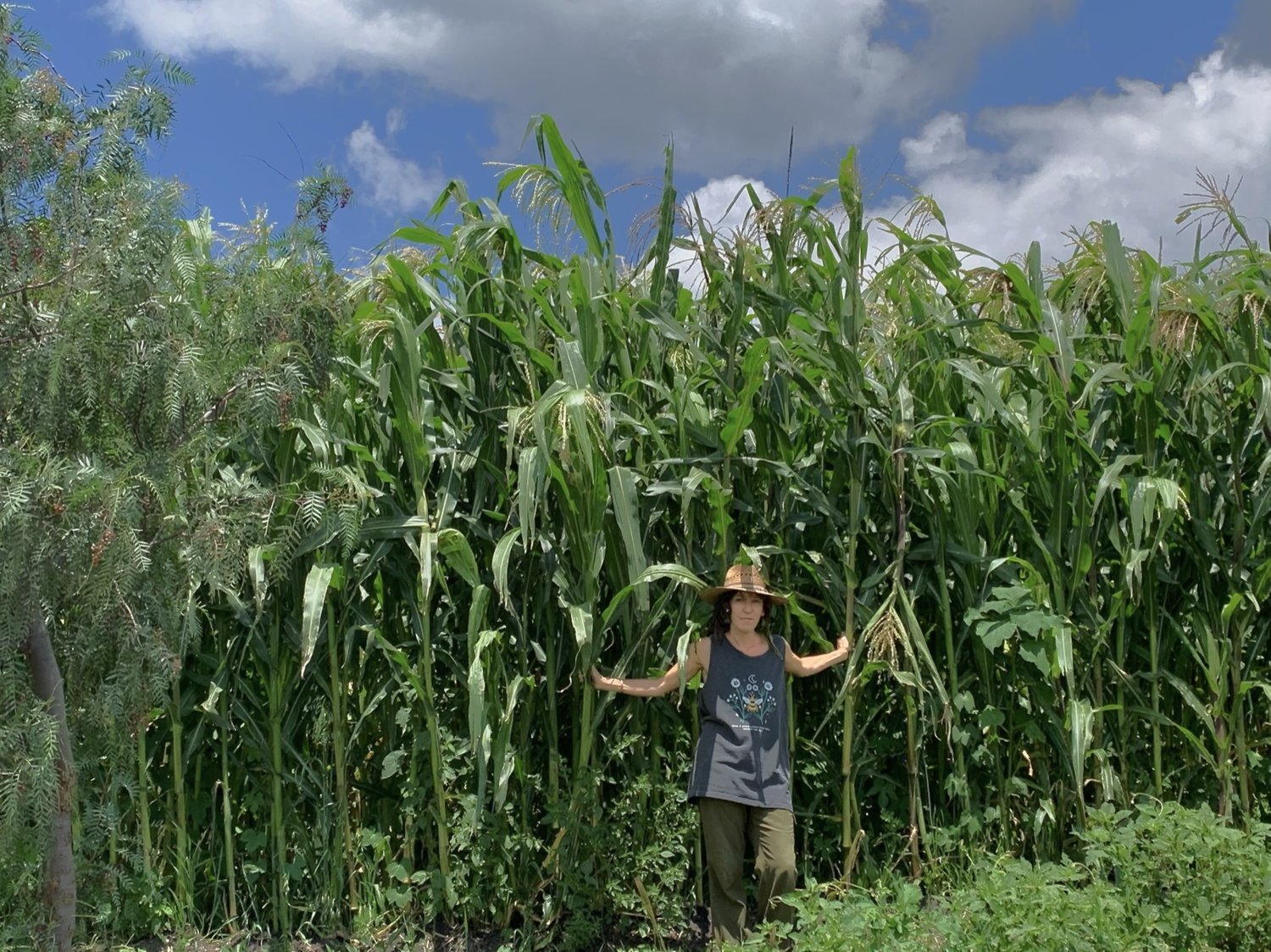
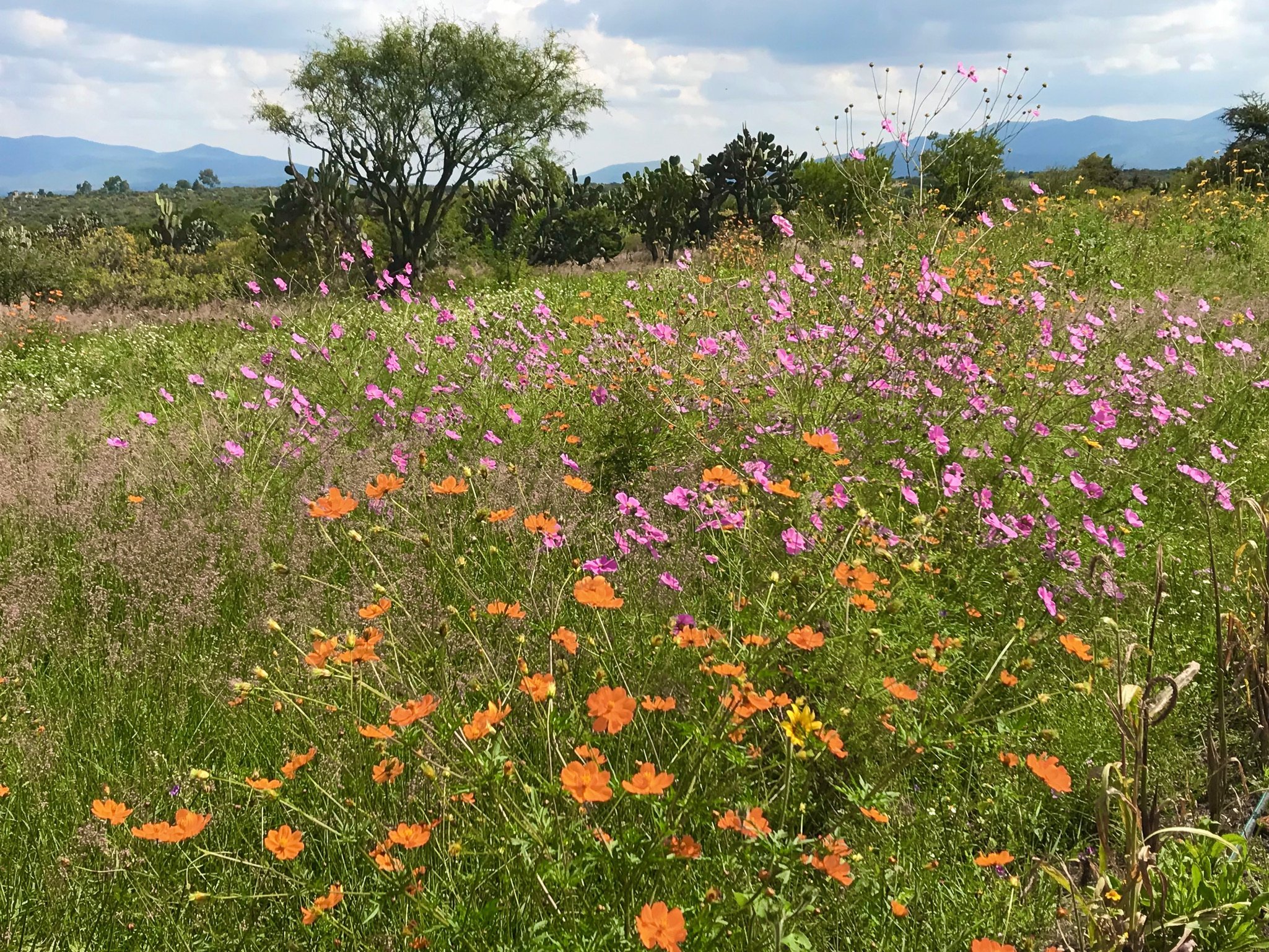
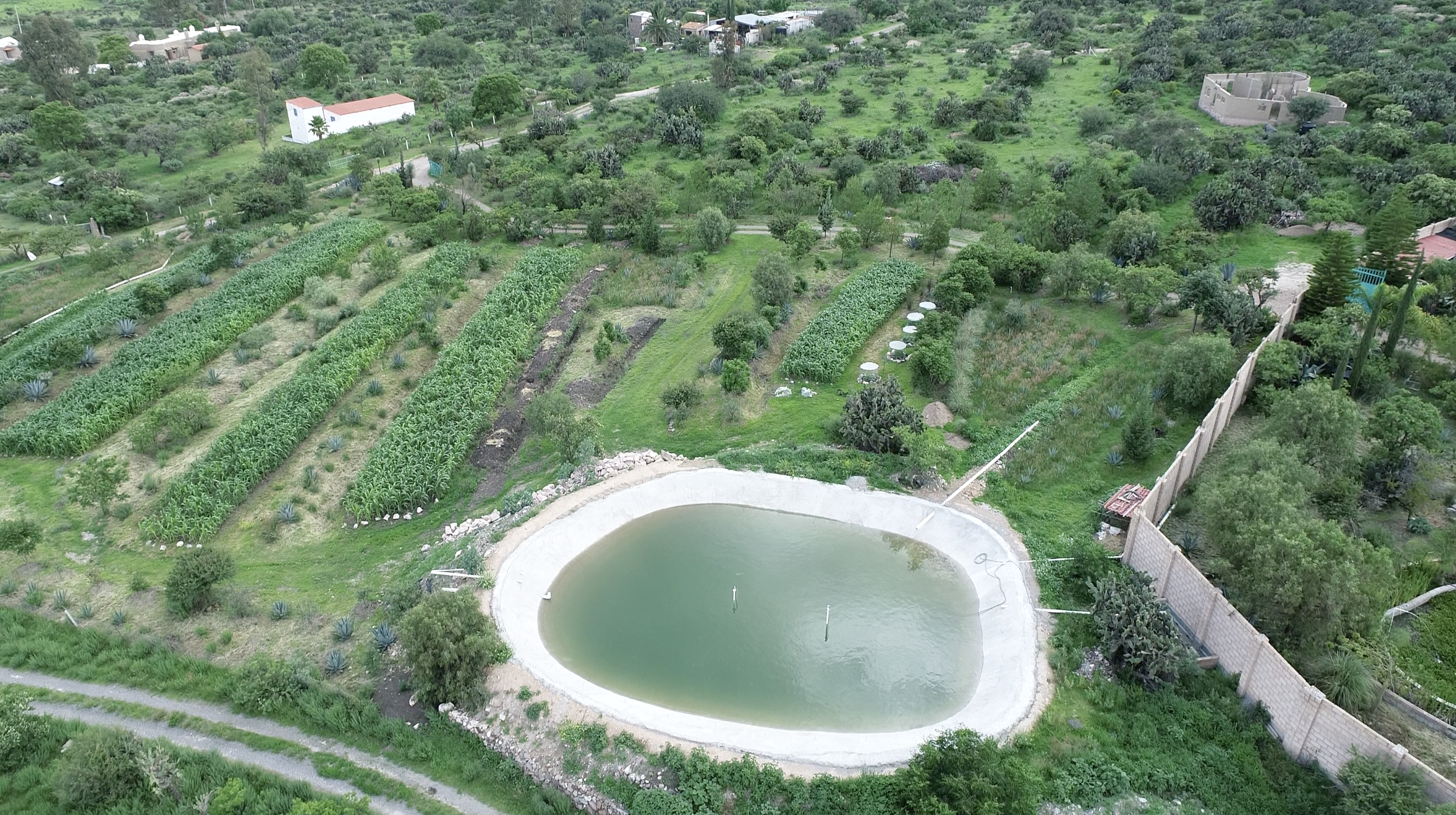
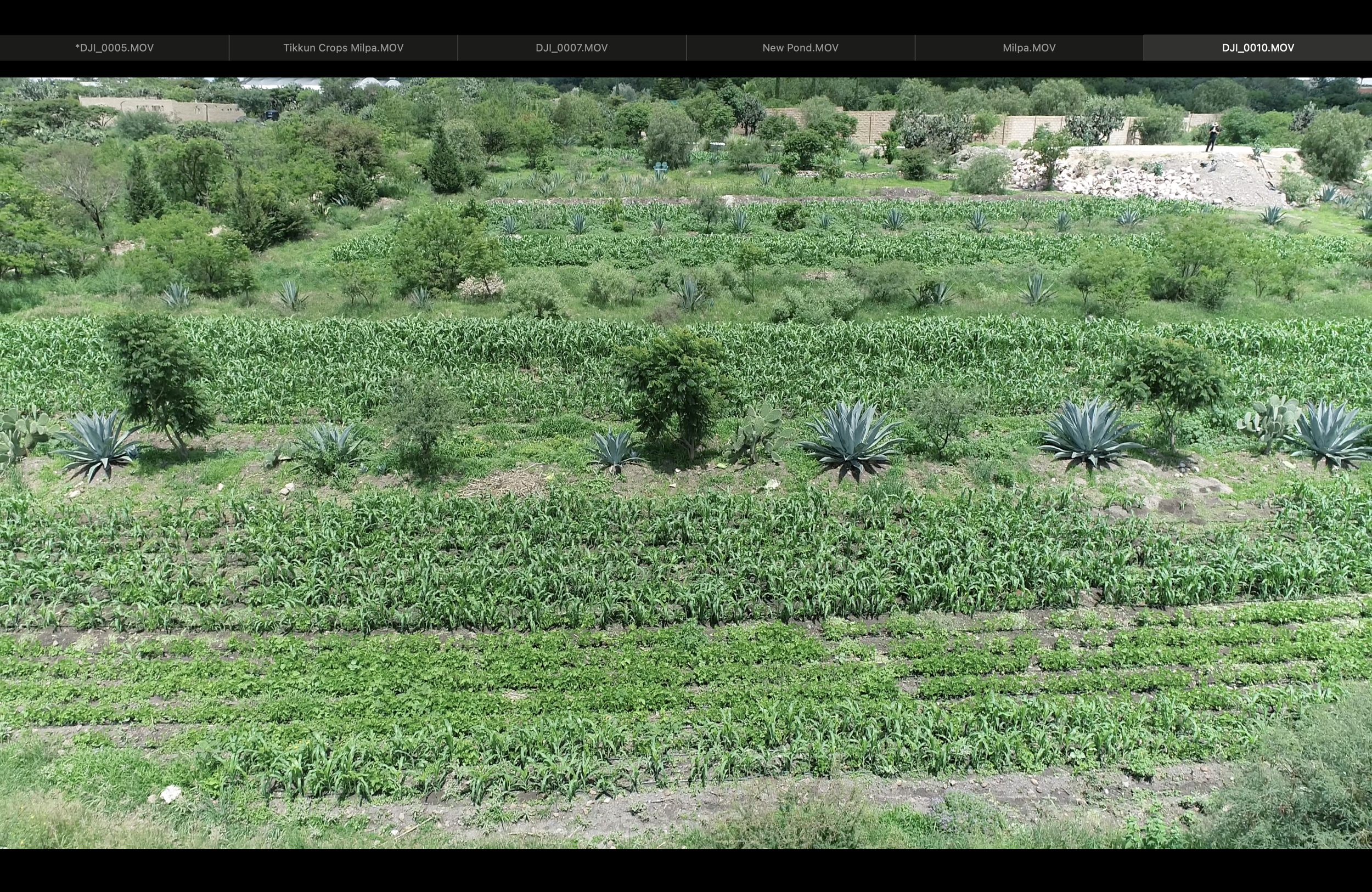
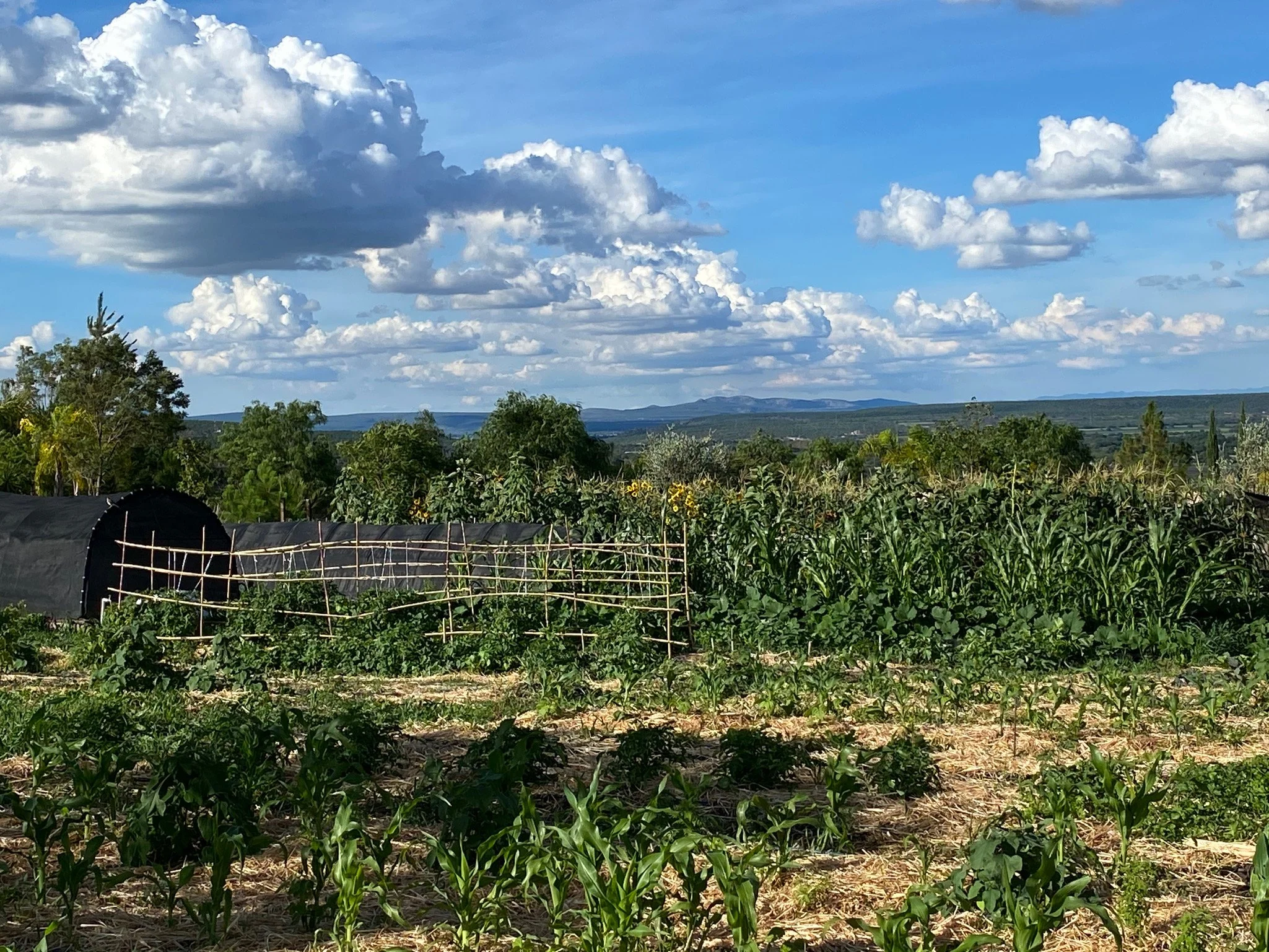
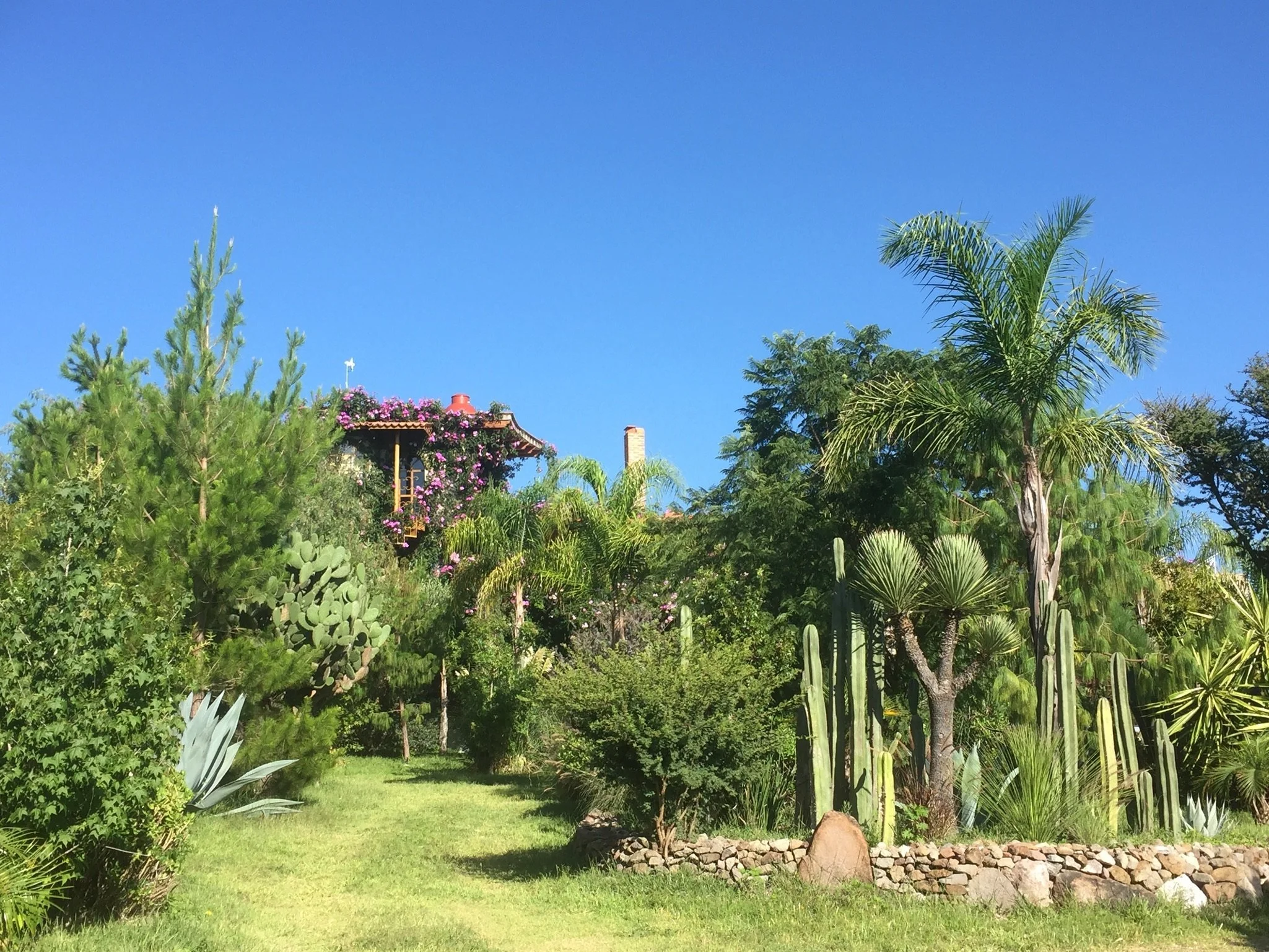
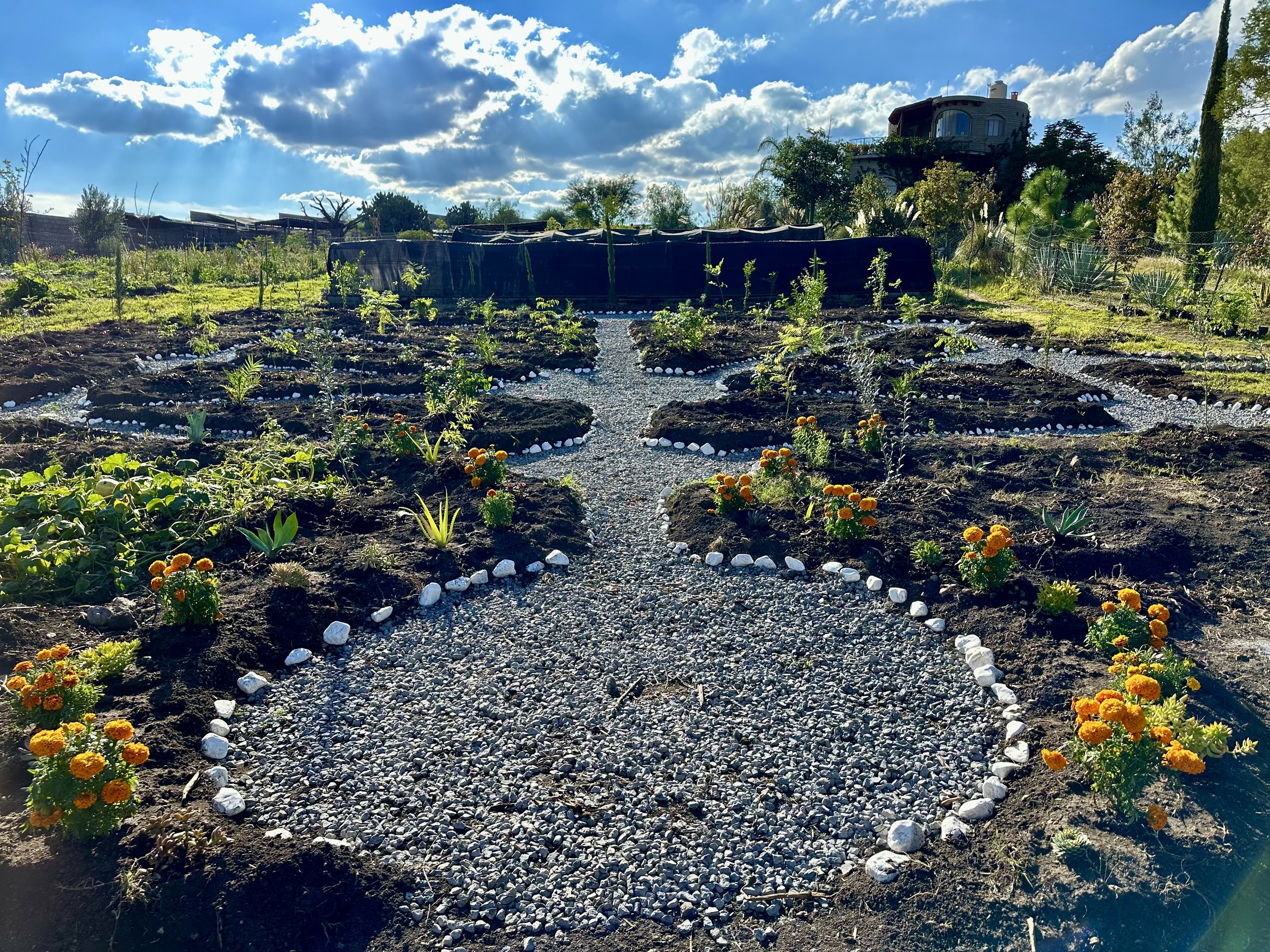
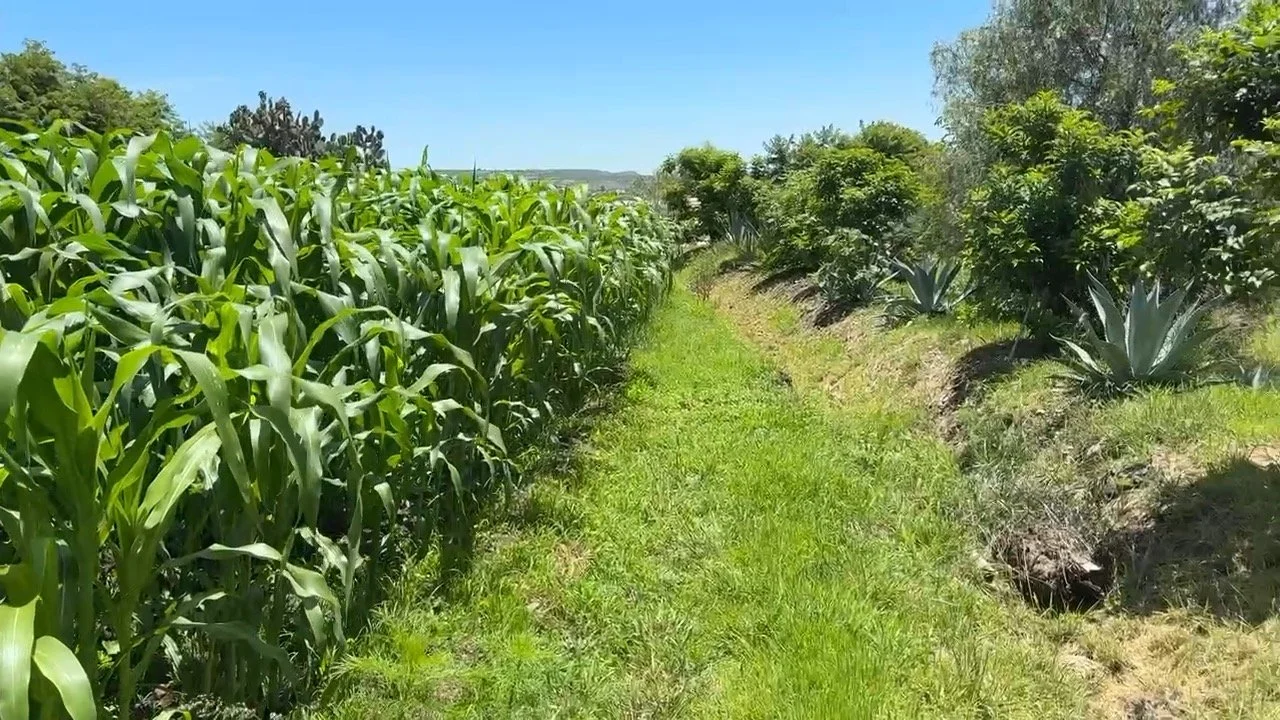
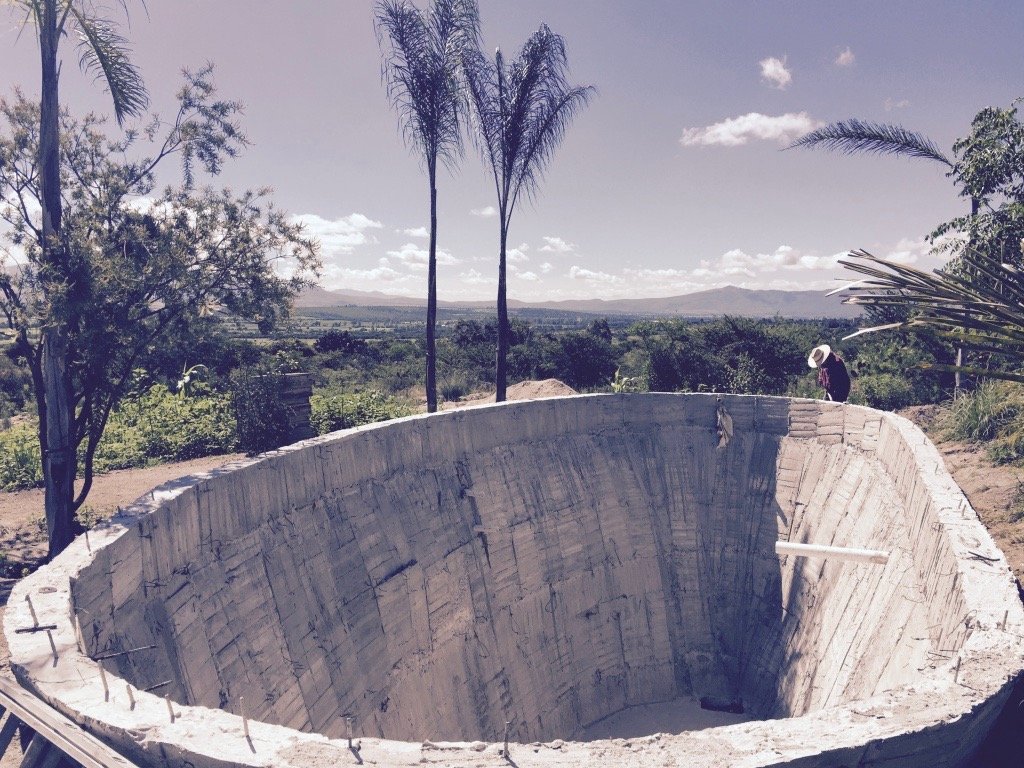
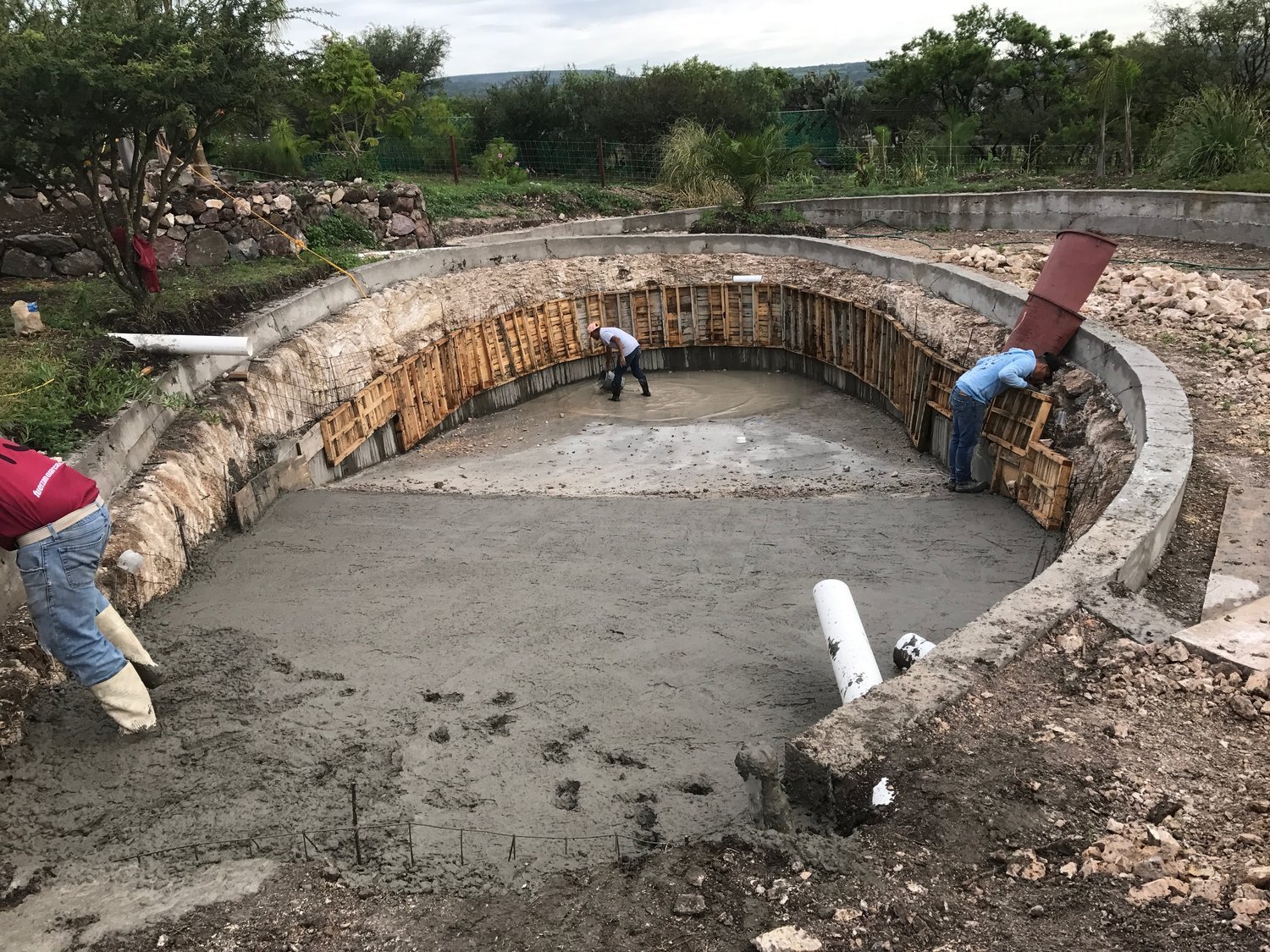
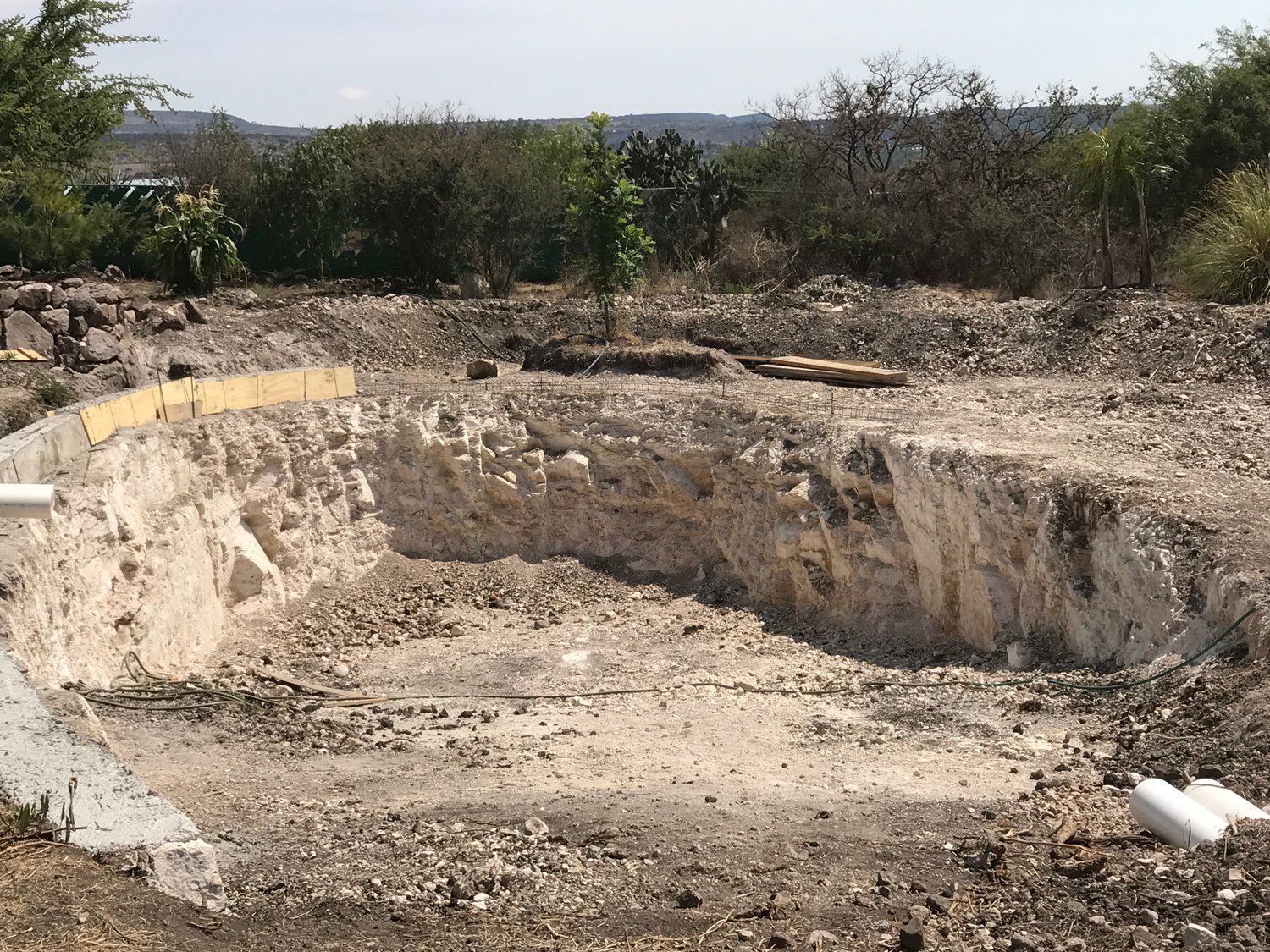
We built swales and berms, captured runoff, dug ponds and cisterns. We planted thousands of trees, shrubs, magueyes, nopales, grasses and perennial crops. We experimented with agroforestry in traditional milpas, intensive vegetable production and soil repair through organic composting.
The land changed.
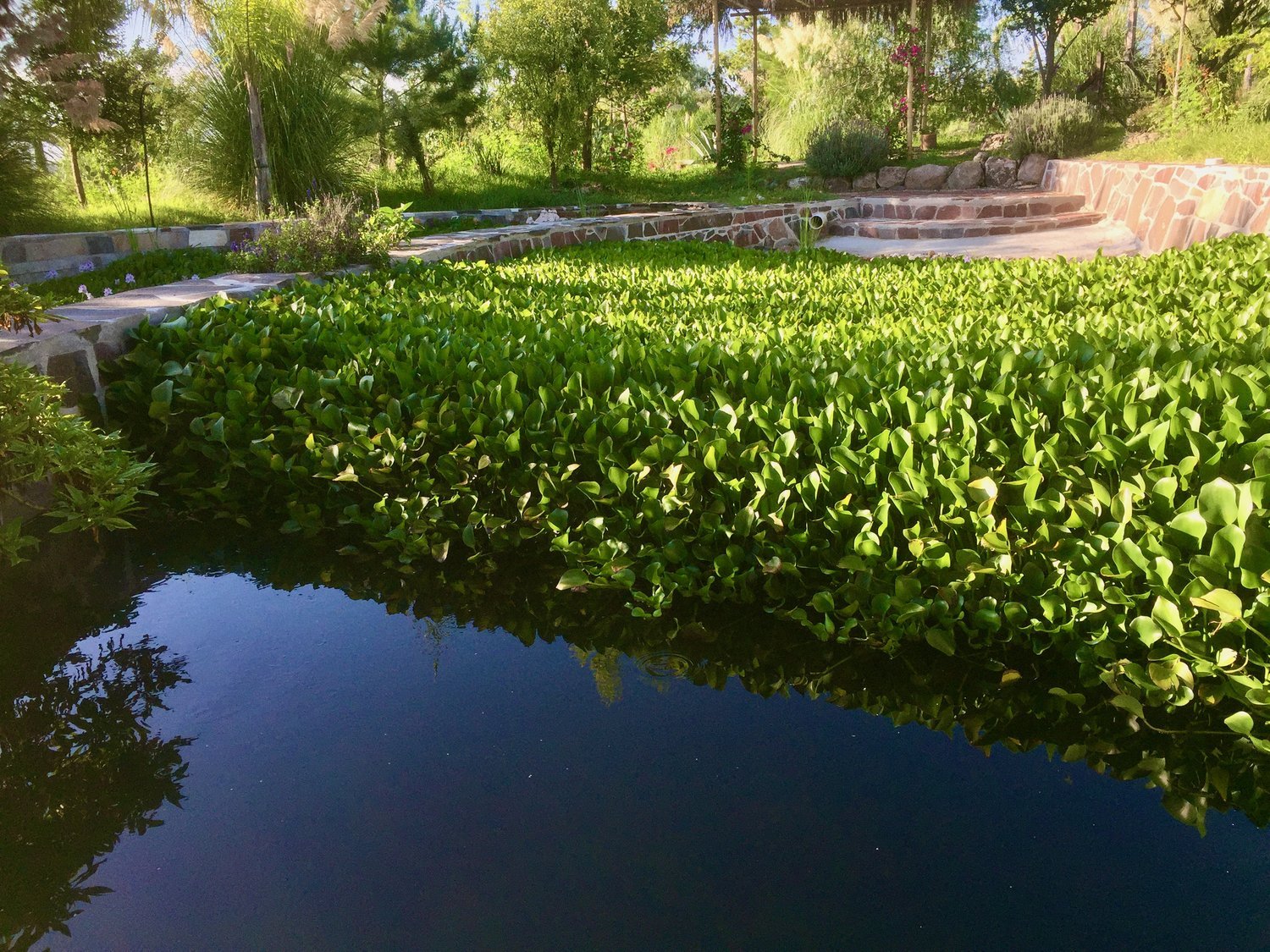
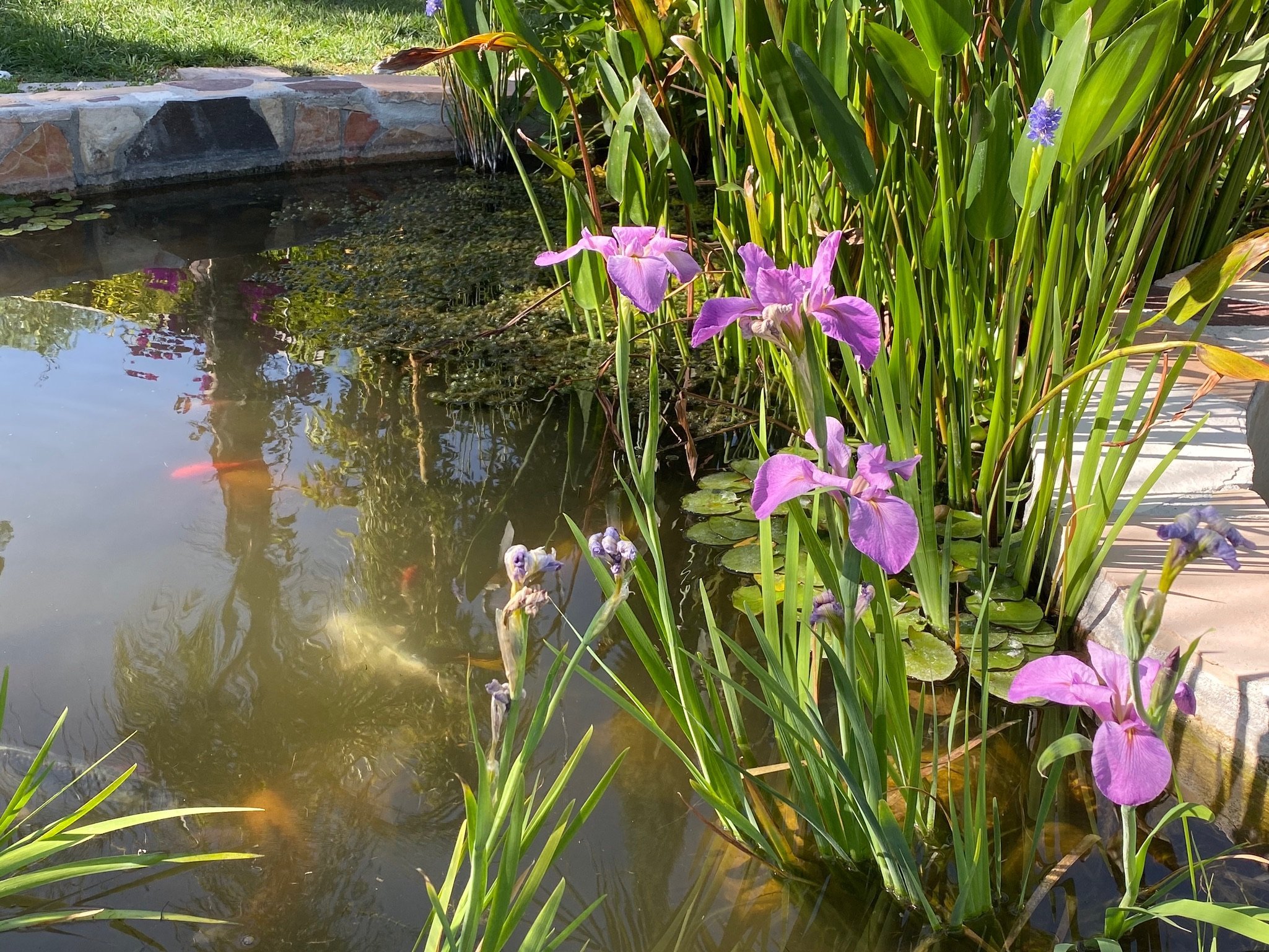
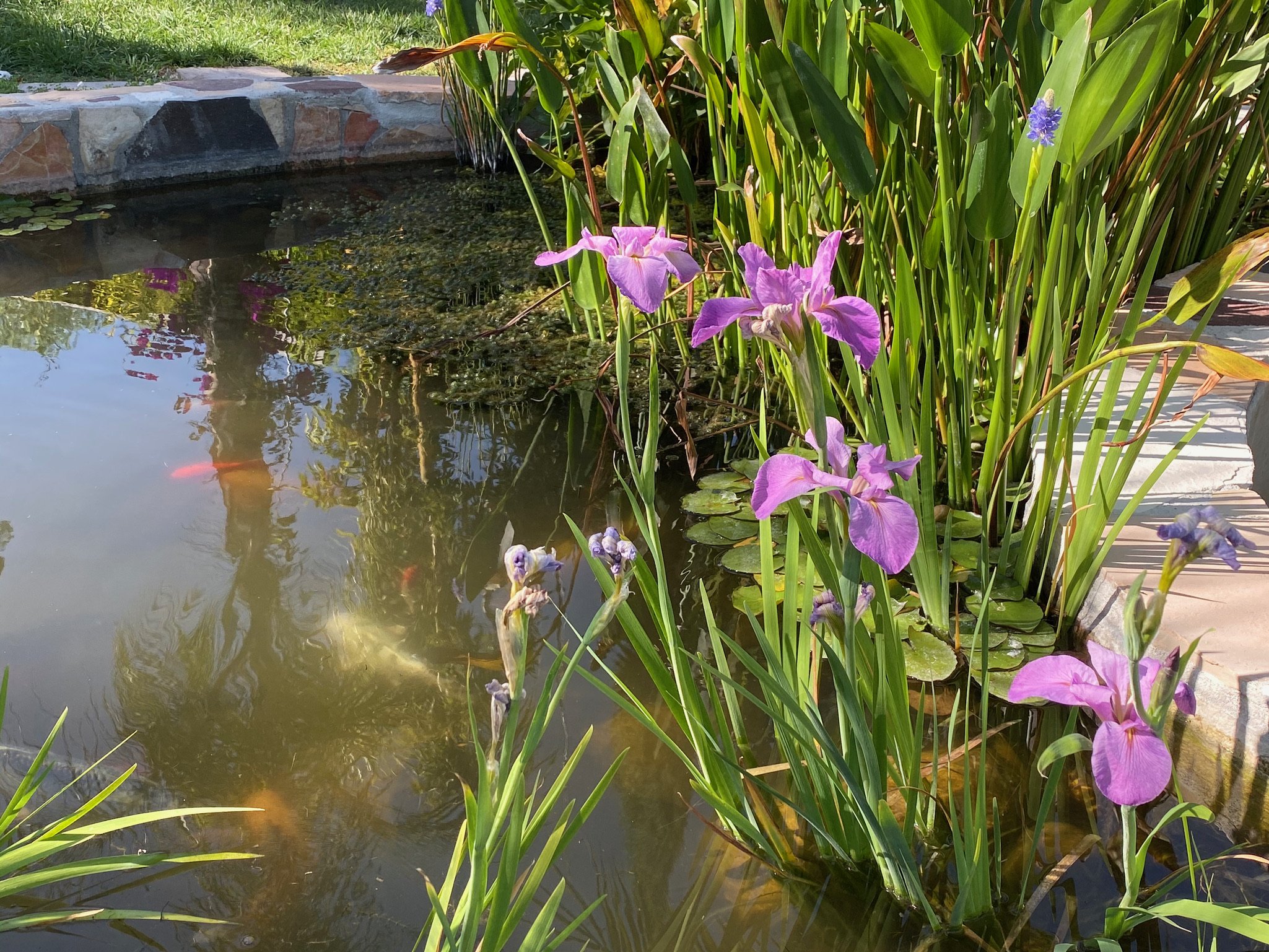
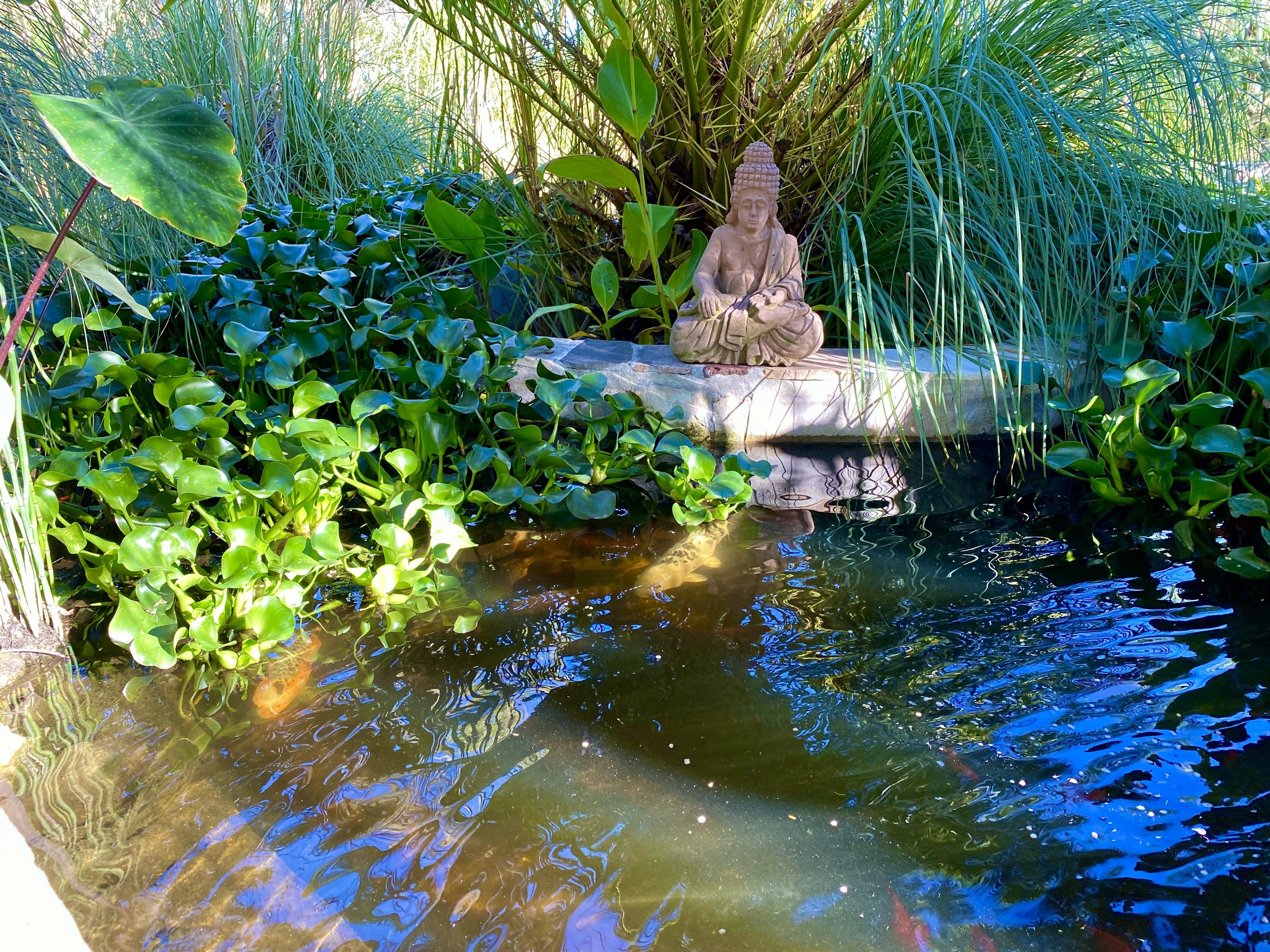
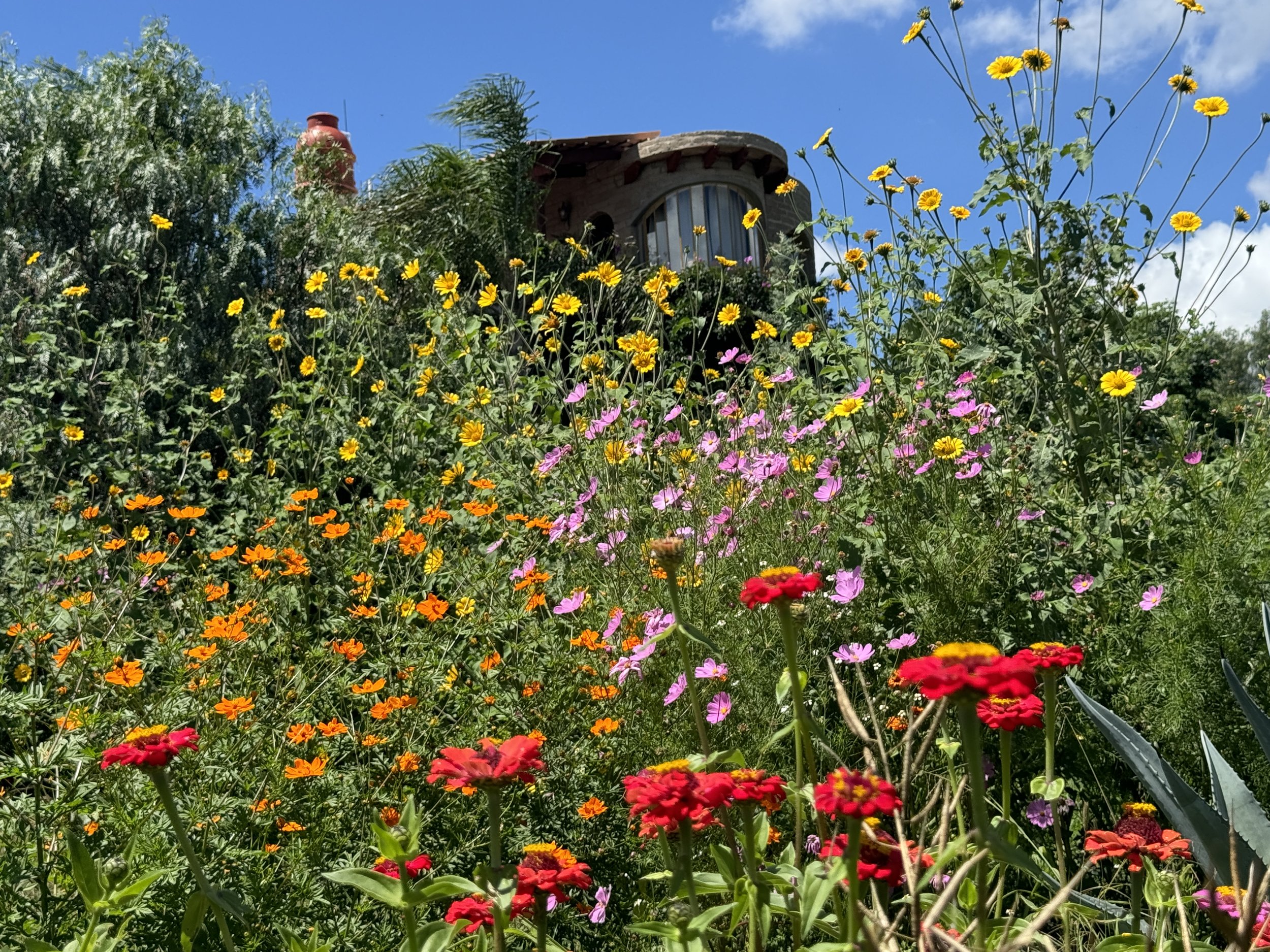
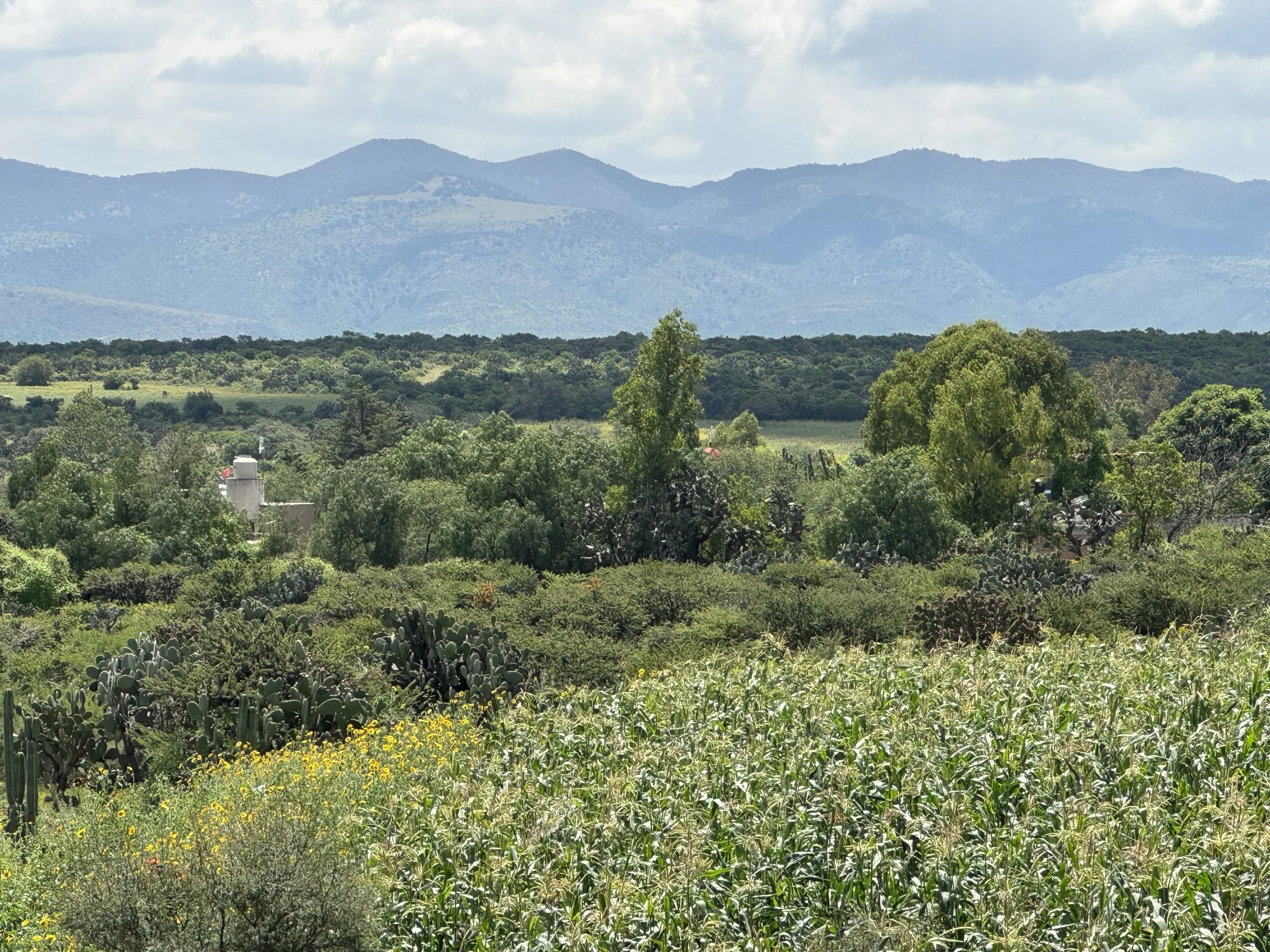
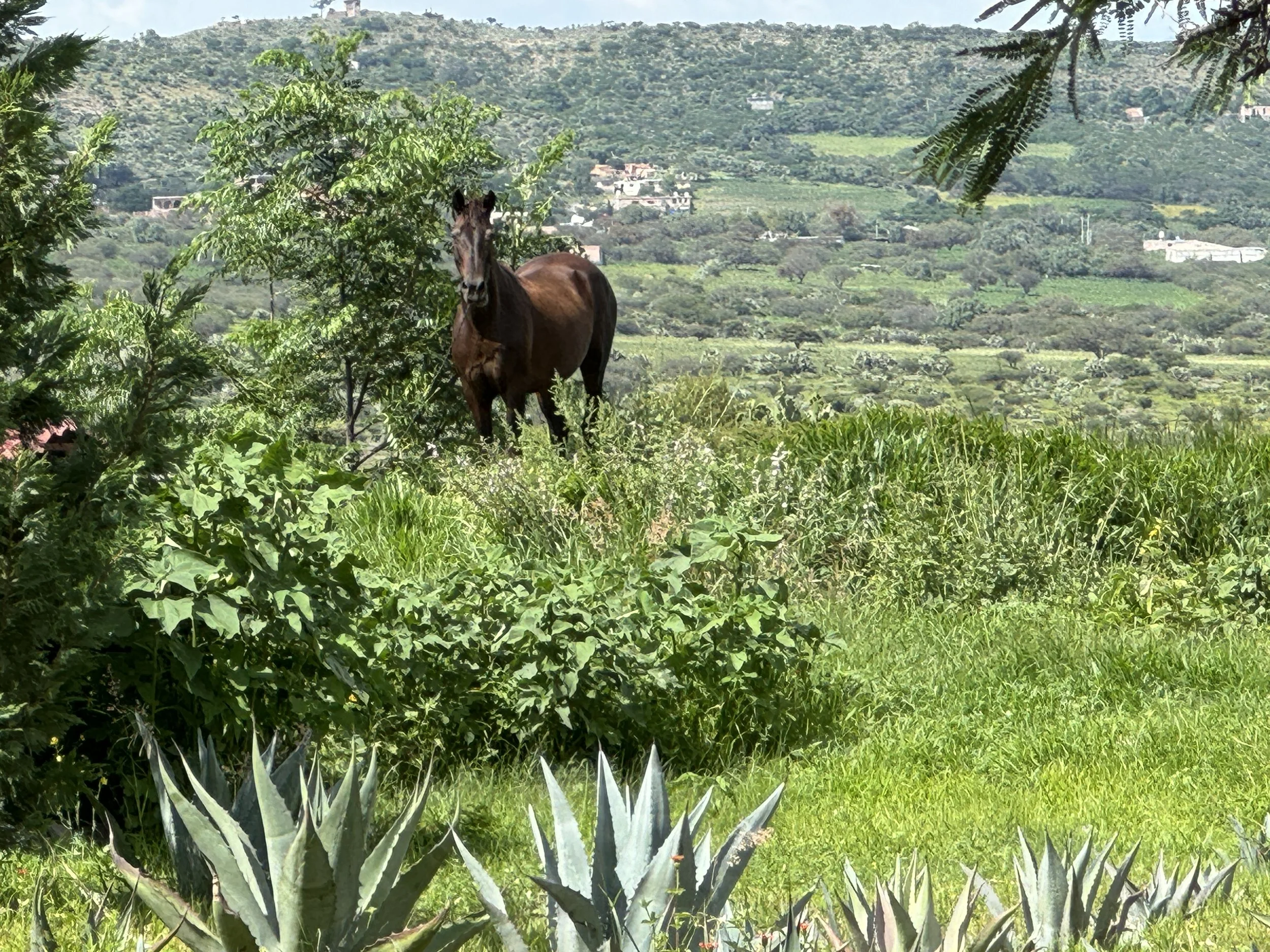
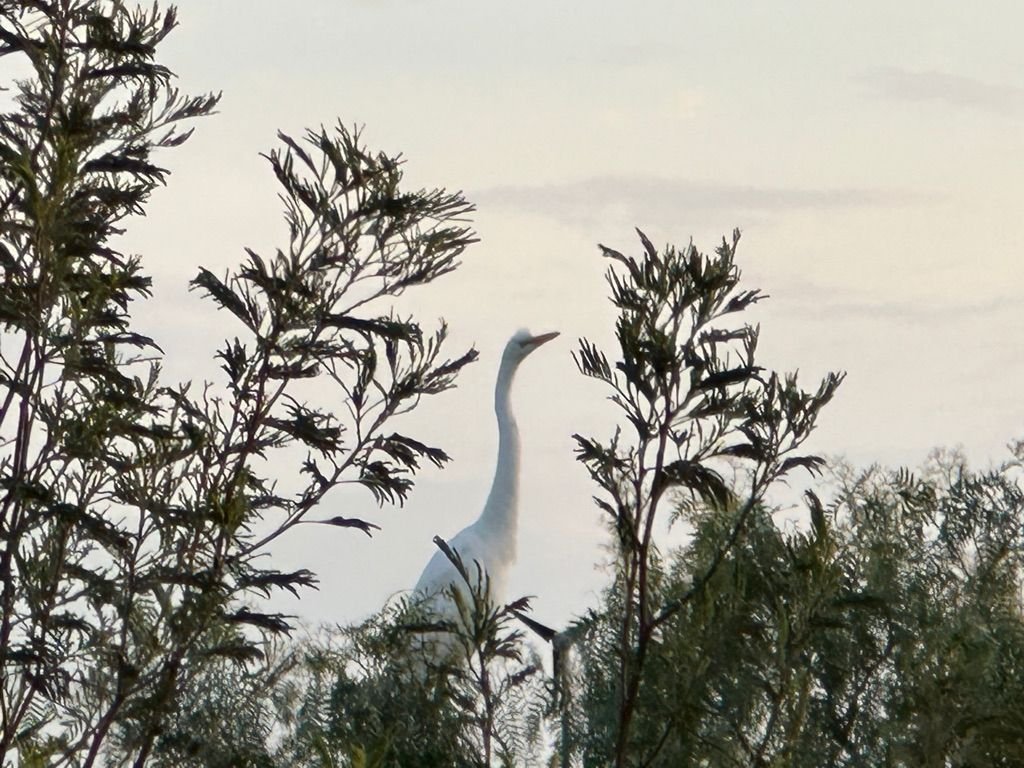
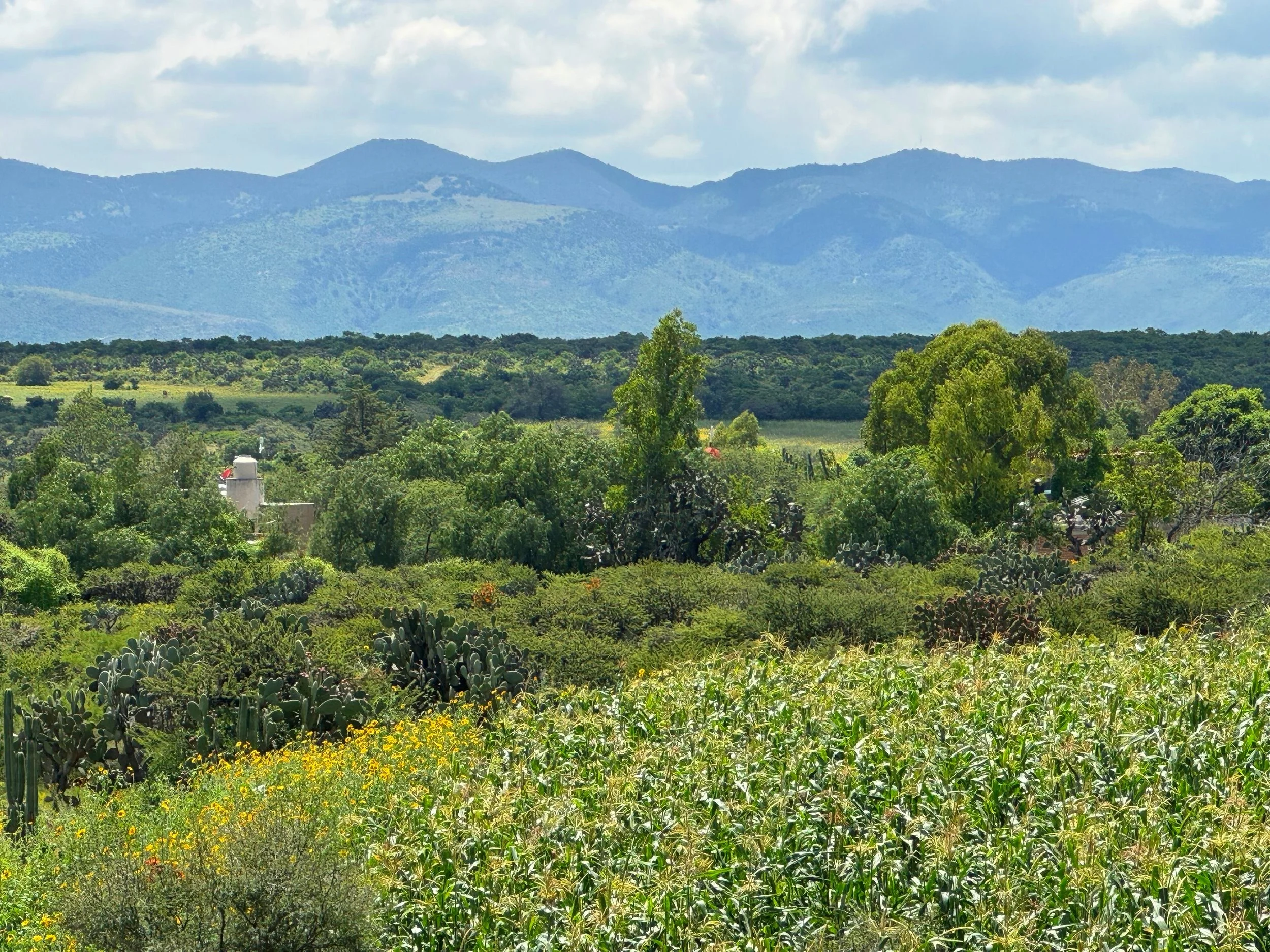
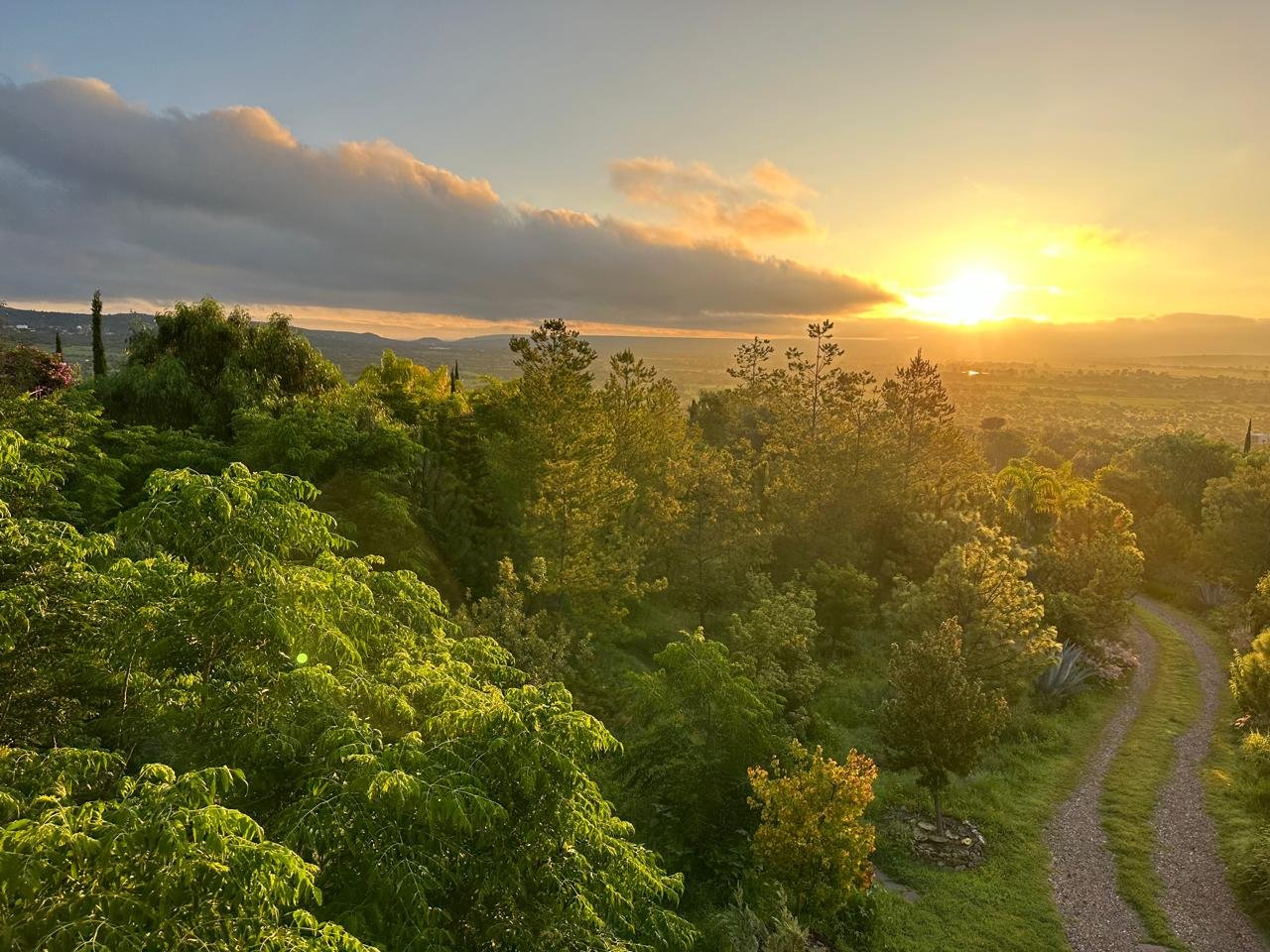
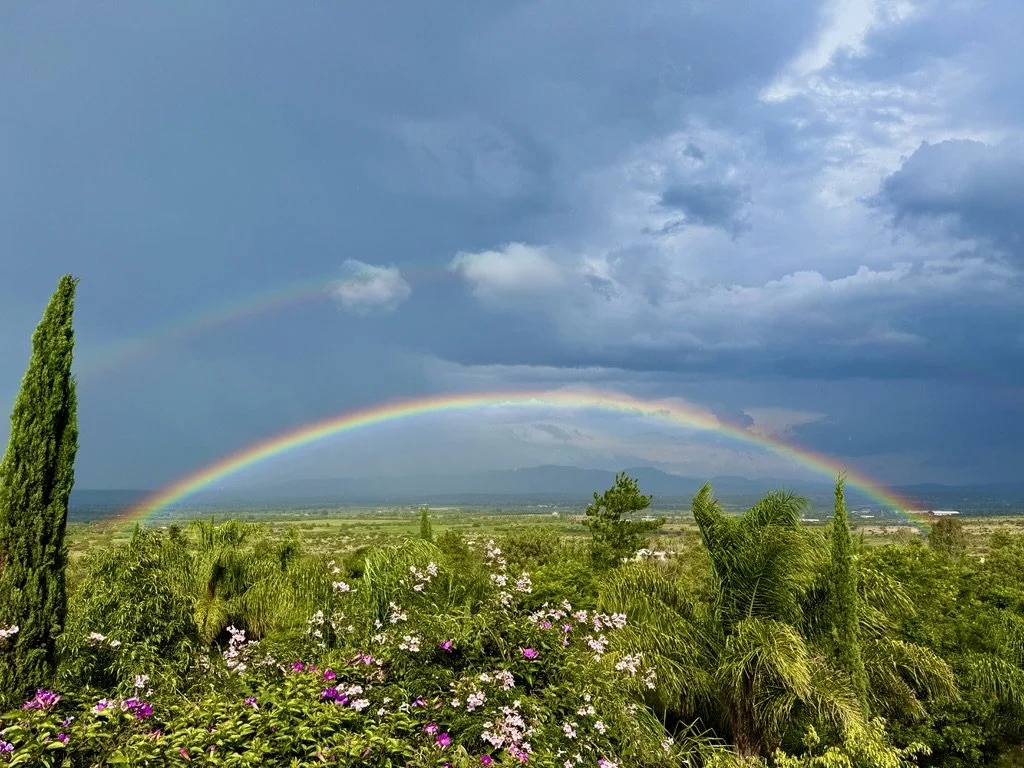
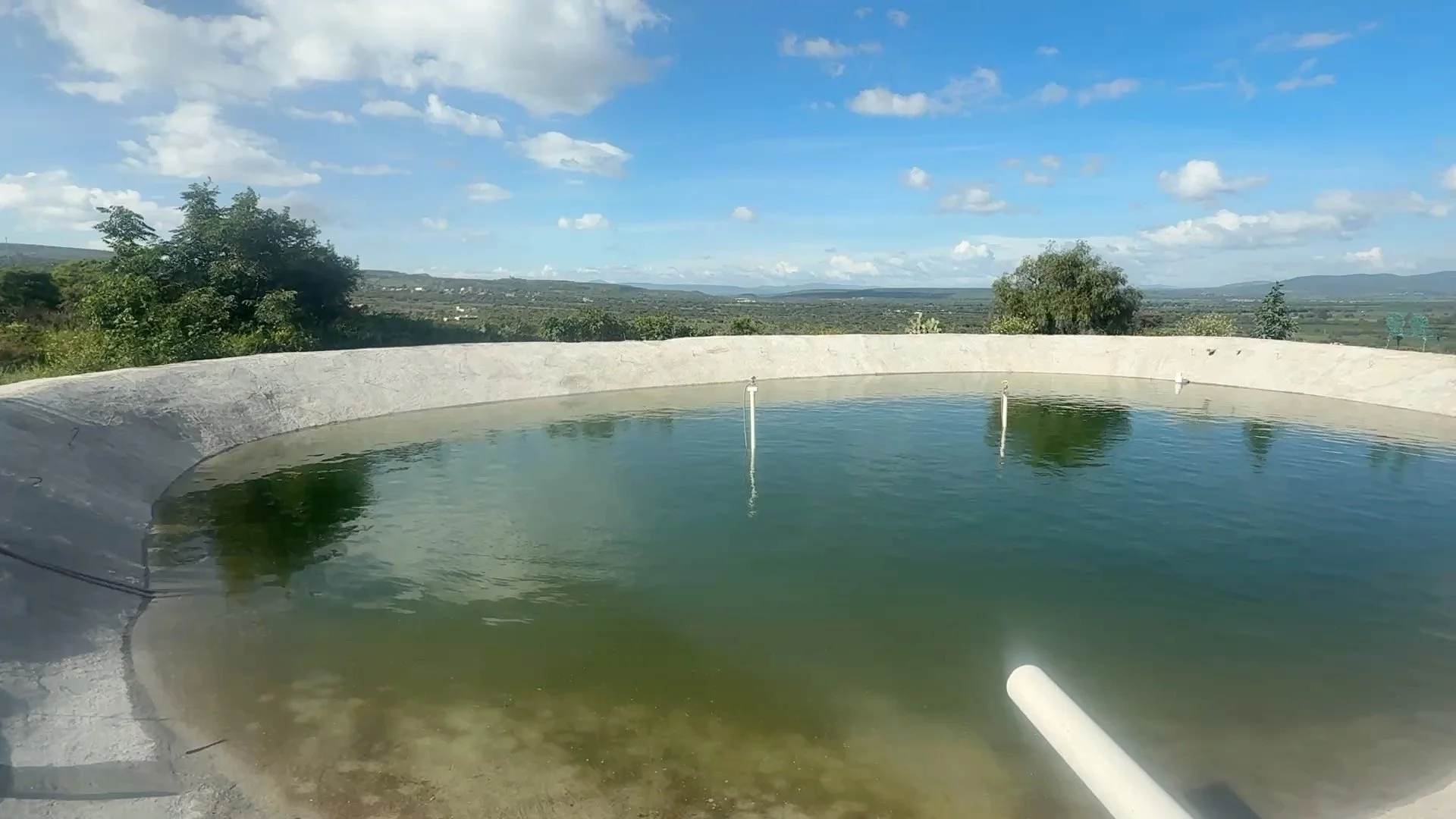
As soils improved and water remained longer in the landscape, vegetation increased, bringing insects, birds and other wildlife. Shade increased. New plants appeared without our planting them. Our ponds are now home to wild ducks and herons, frogs, dragonflies, and a variety of water plants which have established themselves without our assistance.
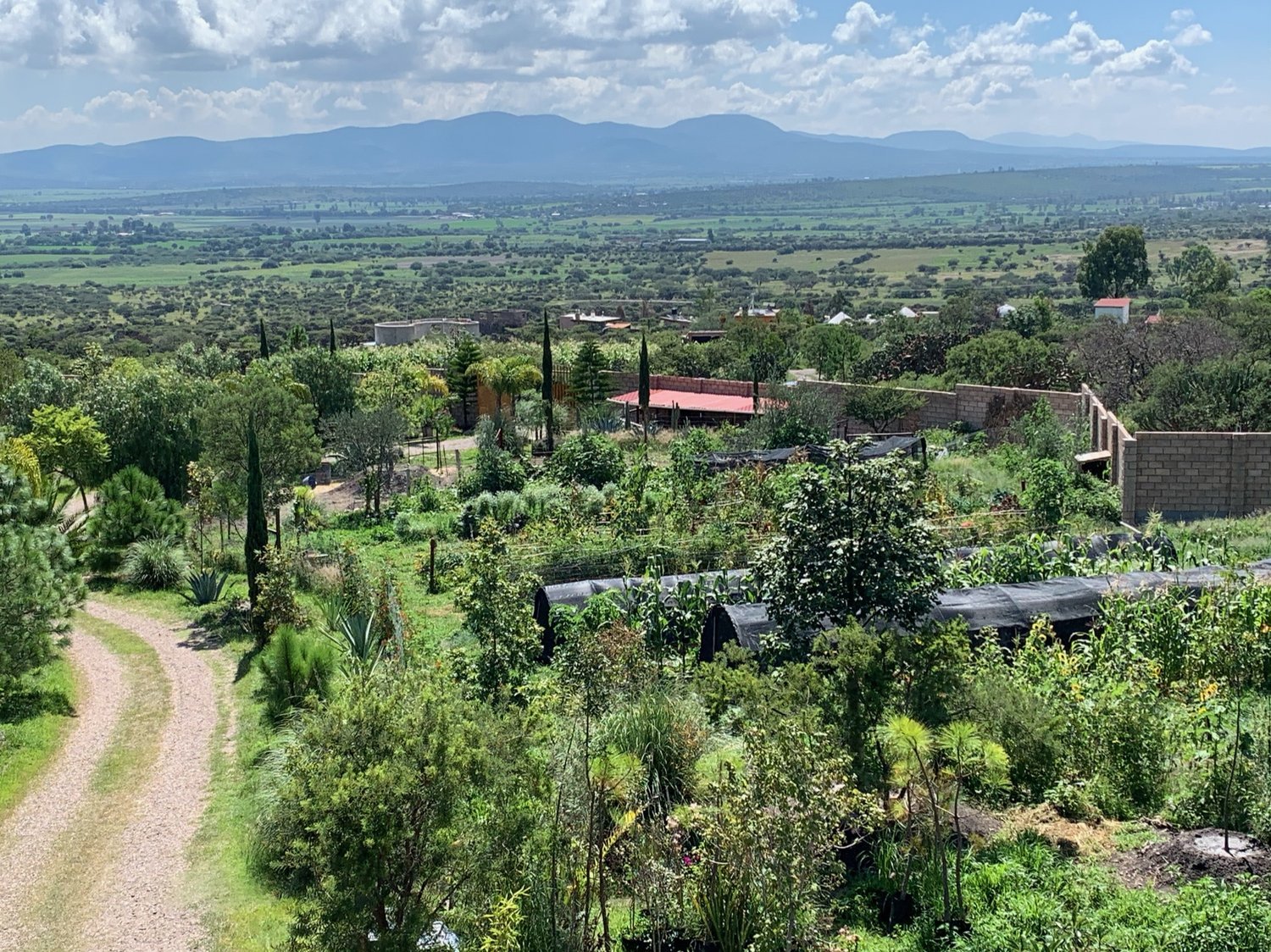
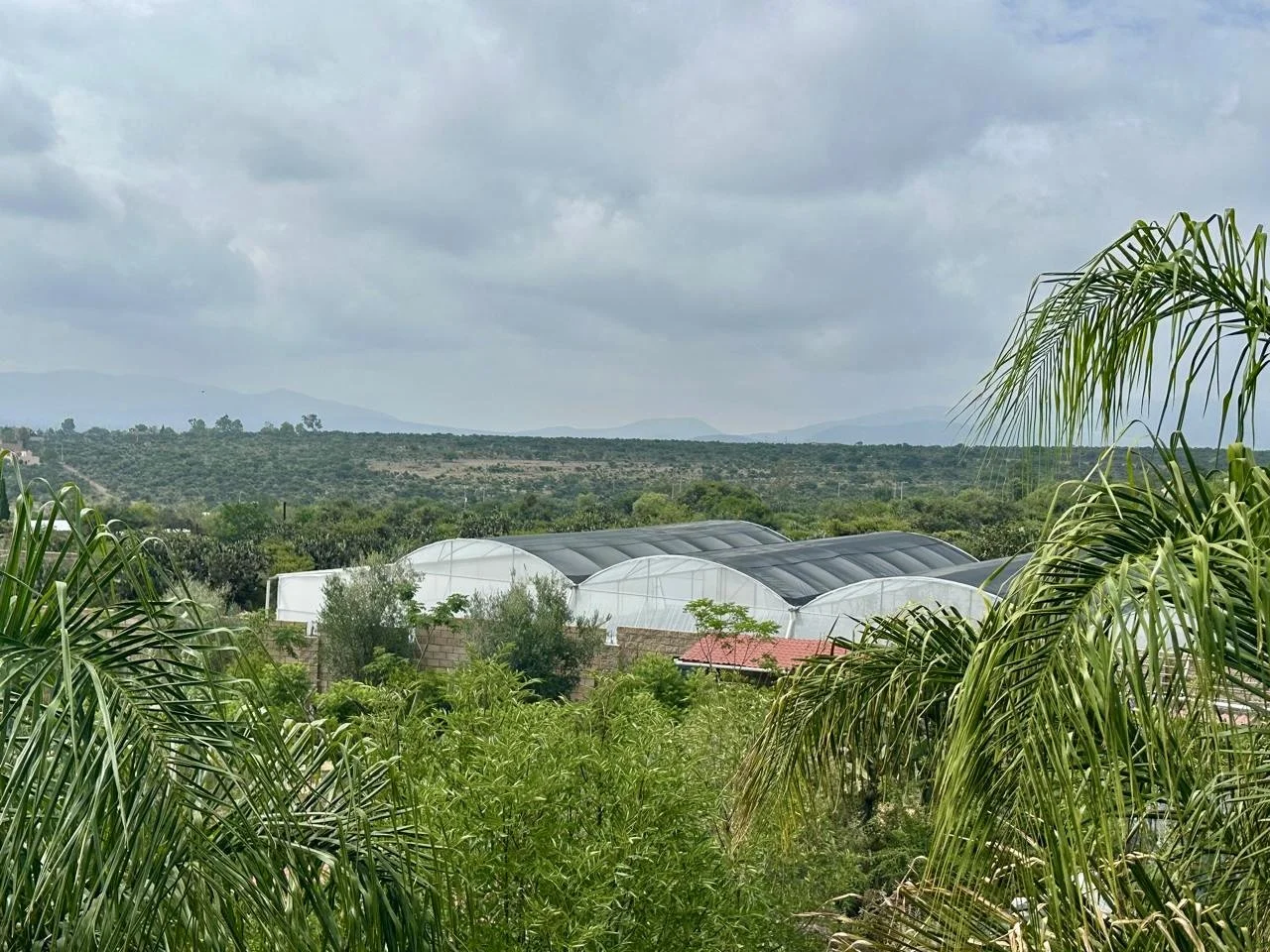
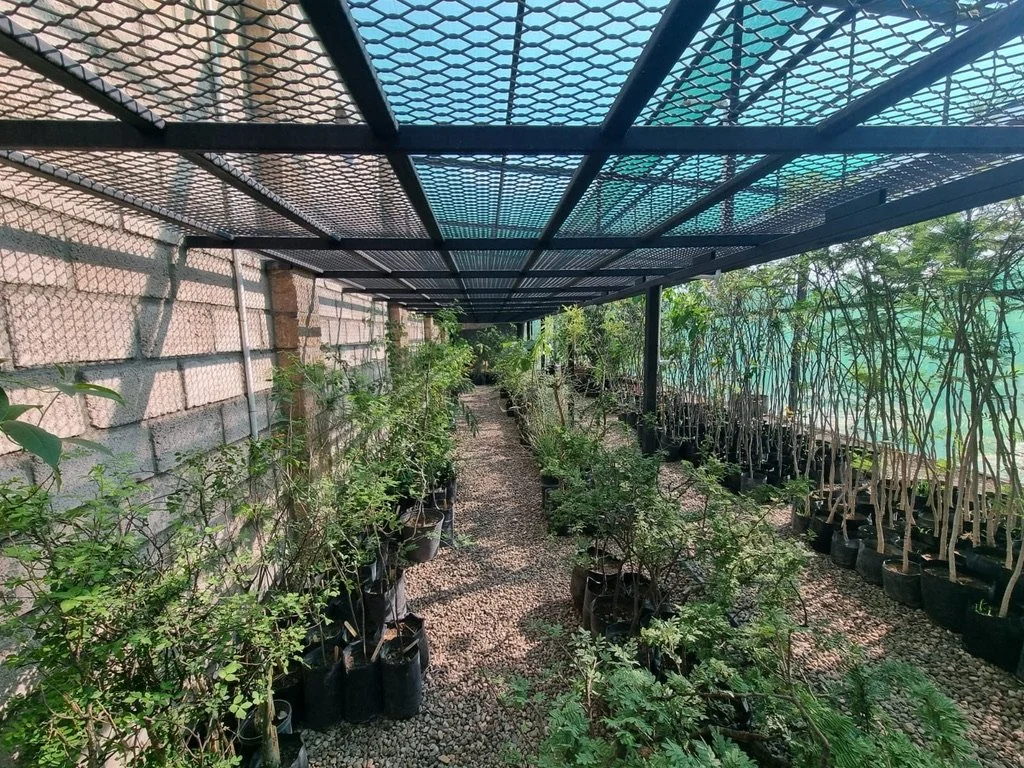
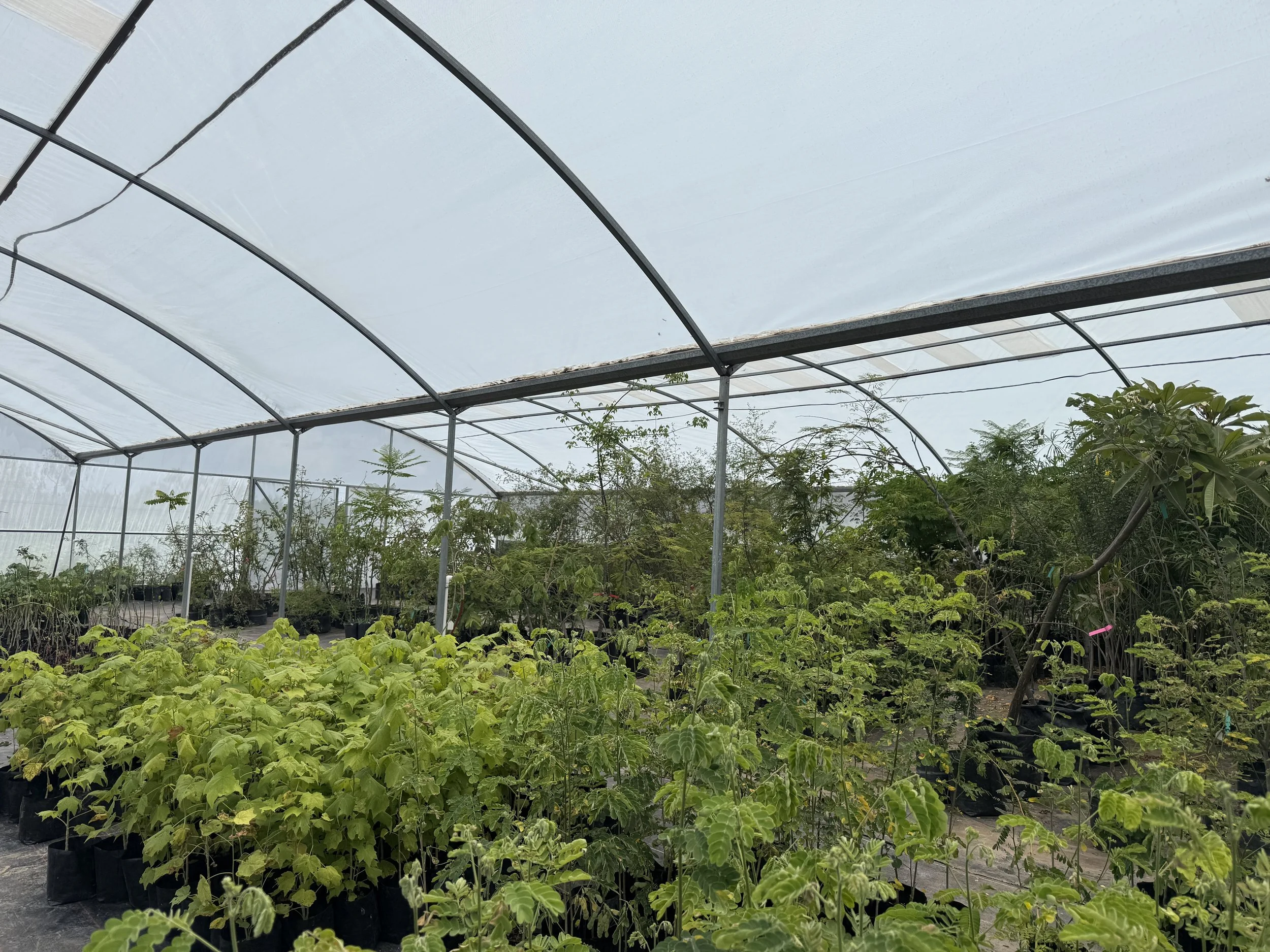
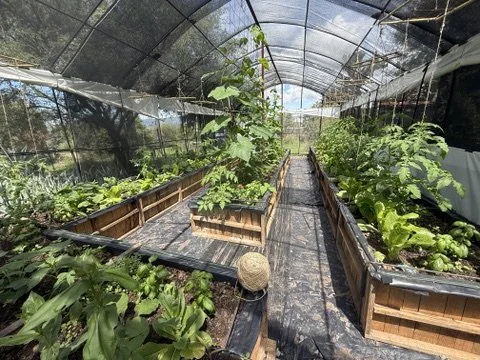
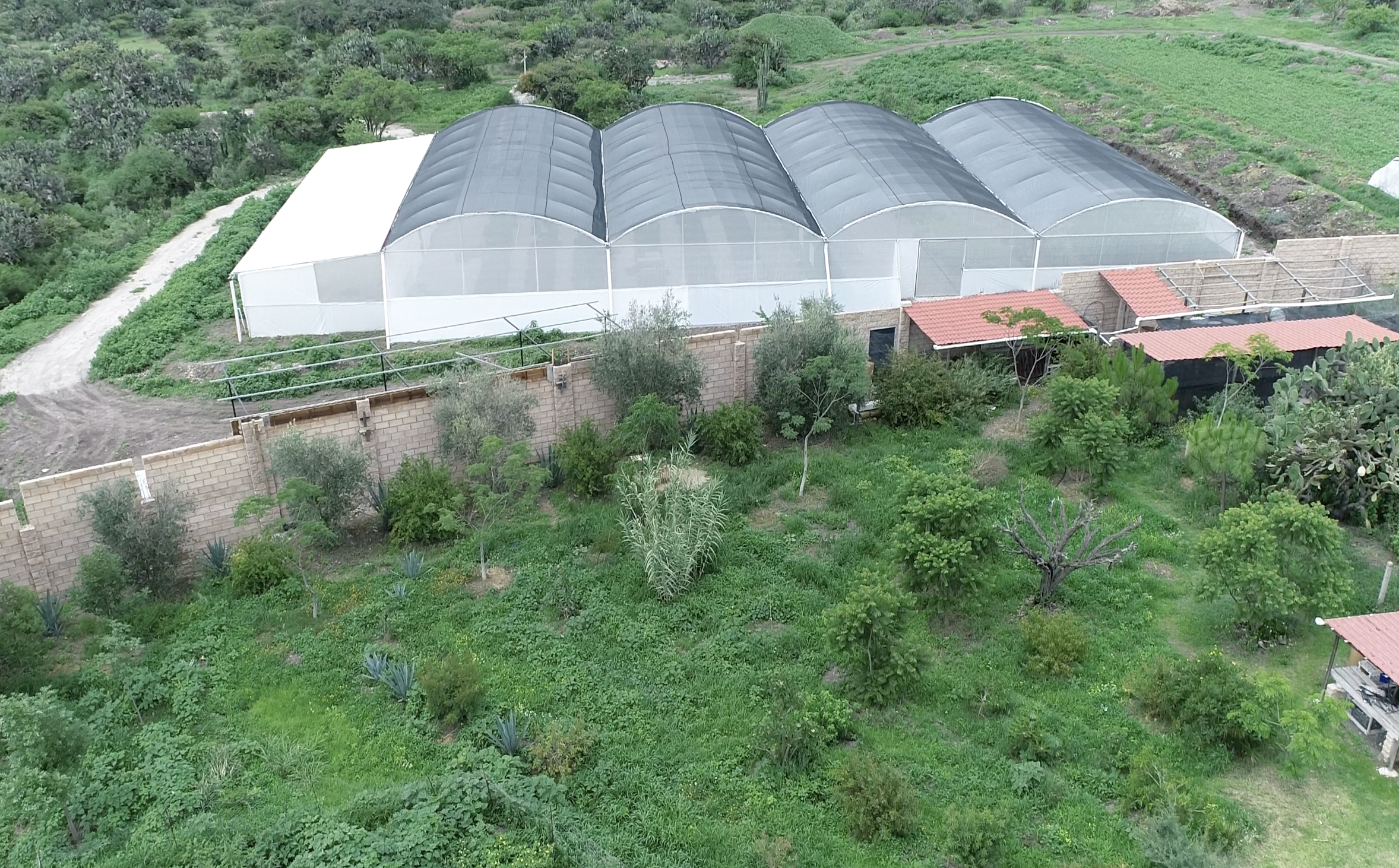
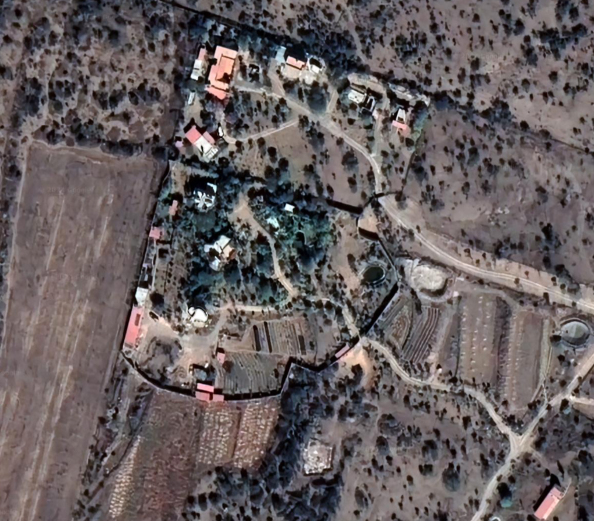
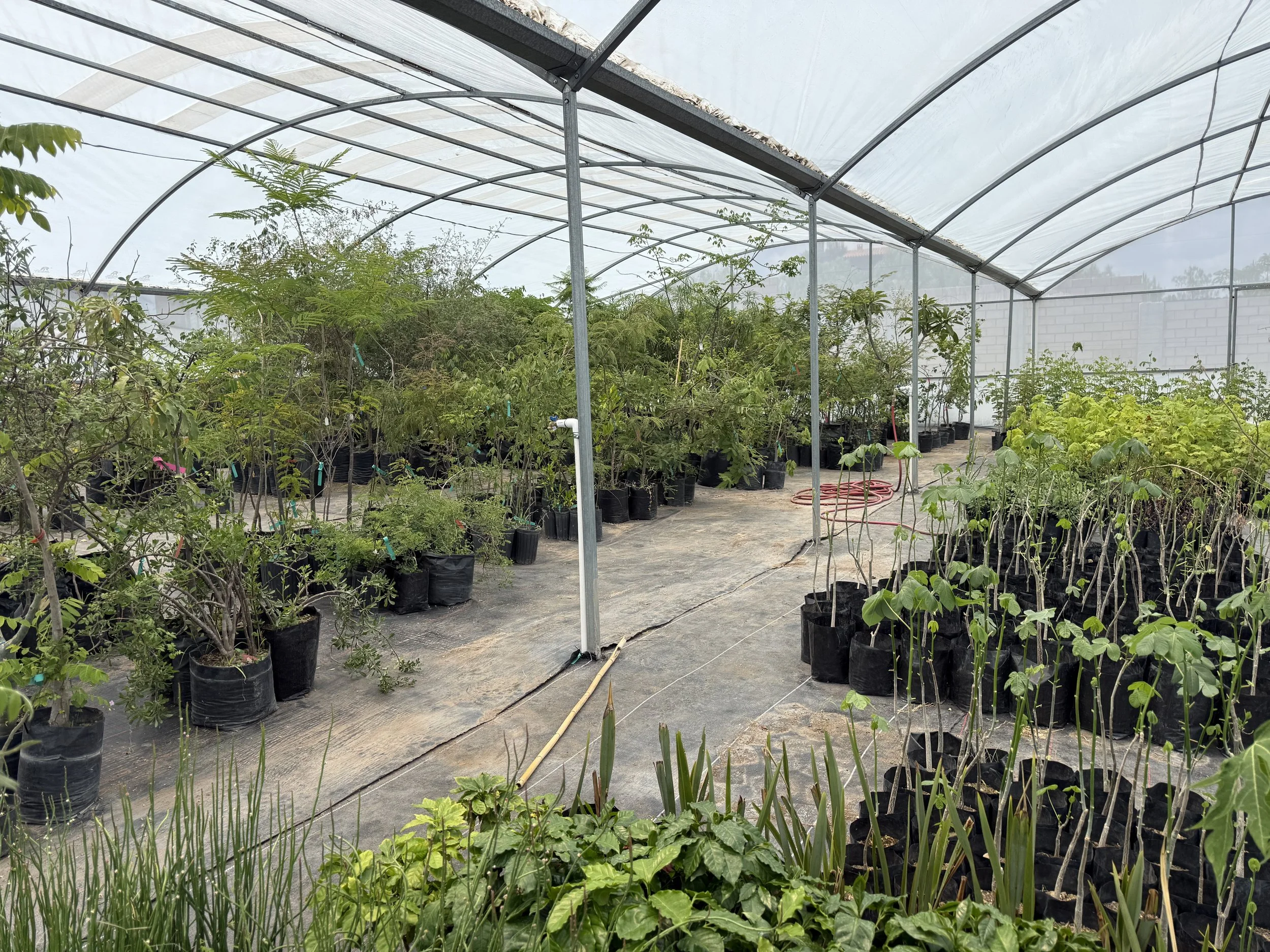
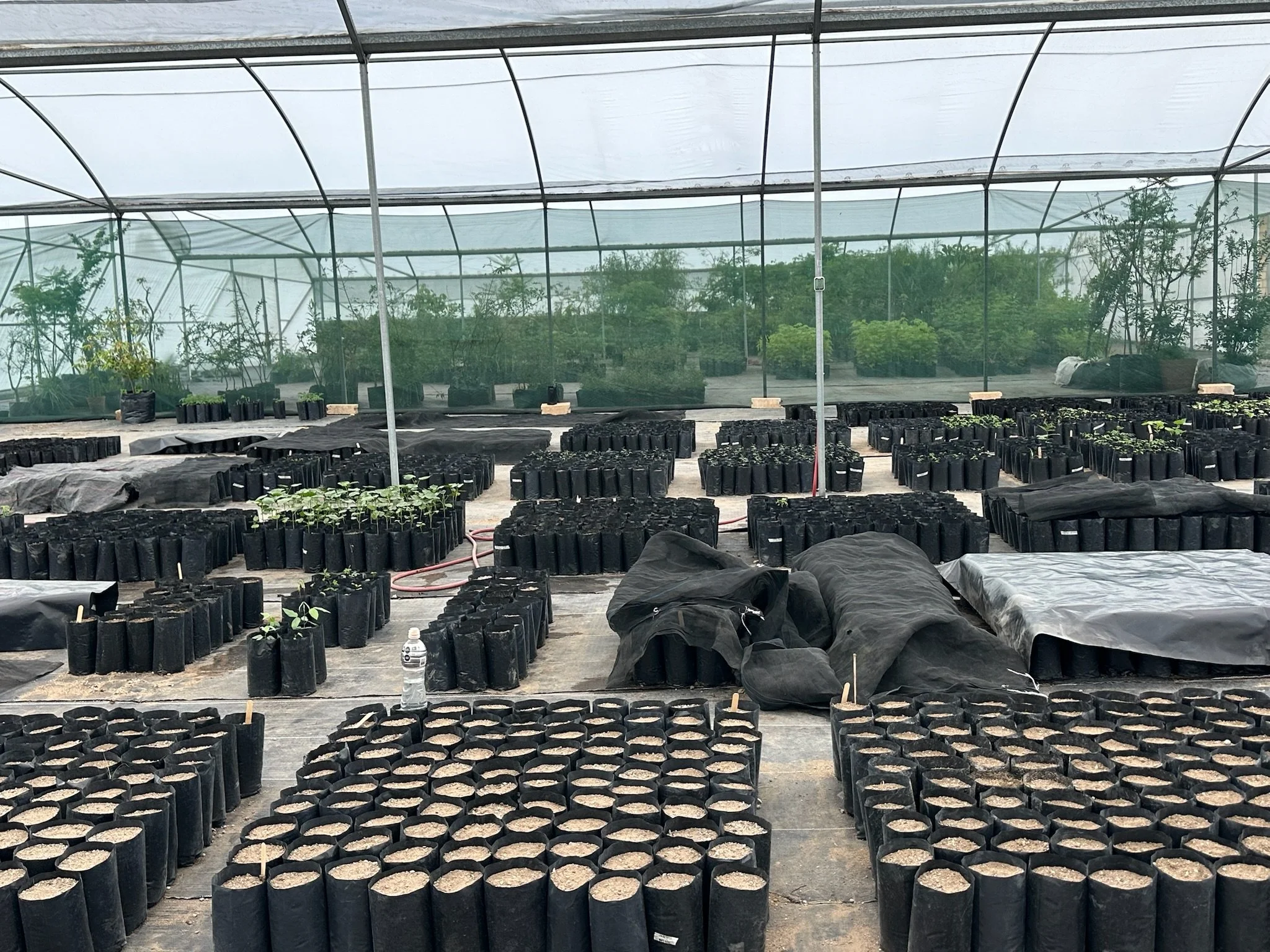
Today, through reservoirs, ponds, cisterns, keyline infiltration channels, and efficient drip irrigation, we capture, store, and carefully manage approximately 2.3 million liters of rainwater each year. Five greenhouses provide approximately 17,000 square feet of space for growing native trees and plants for restoration projects alongside vegetables and other food crops.
Every season the land teaches us something new, and every visitor leaves with a clearer picture of what a resilient rural future can look like when we invest in regeneration.
Tikkun became a long-term experiment in what happens when people remain in relationship with one damaged piece of land and help it regenerate. That experience now informs everything we do.
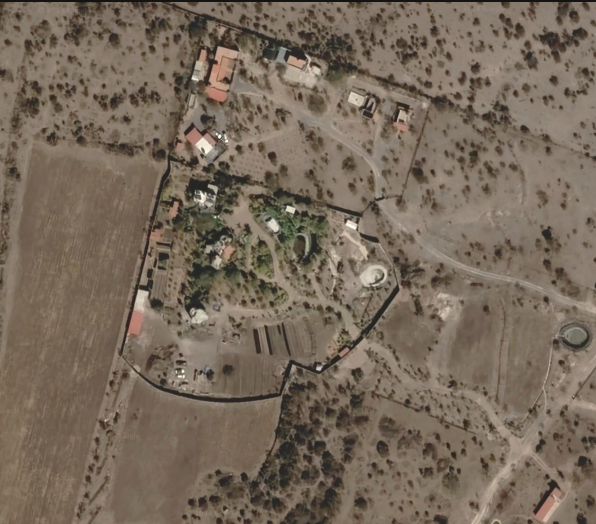
Satellite imagery of Tikkun 2012 - 2024




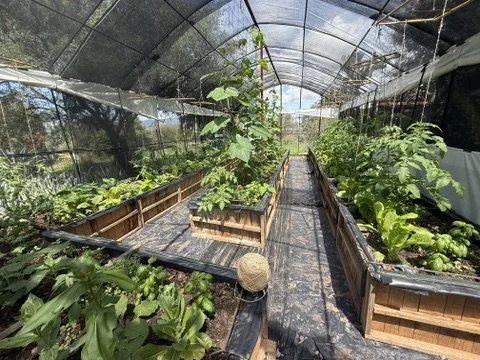
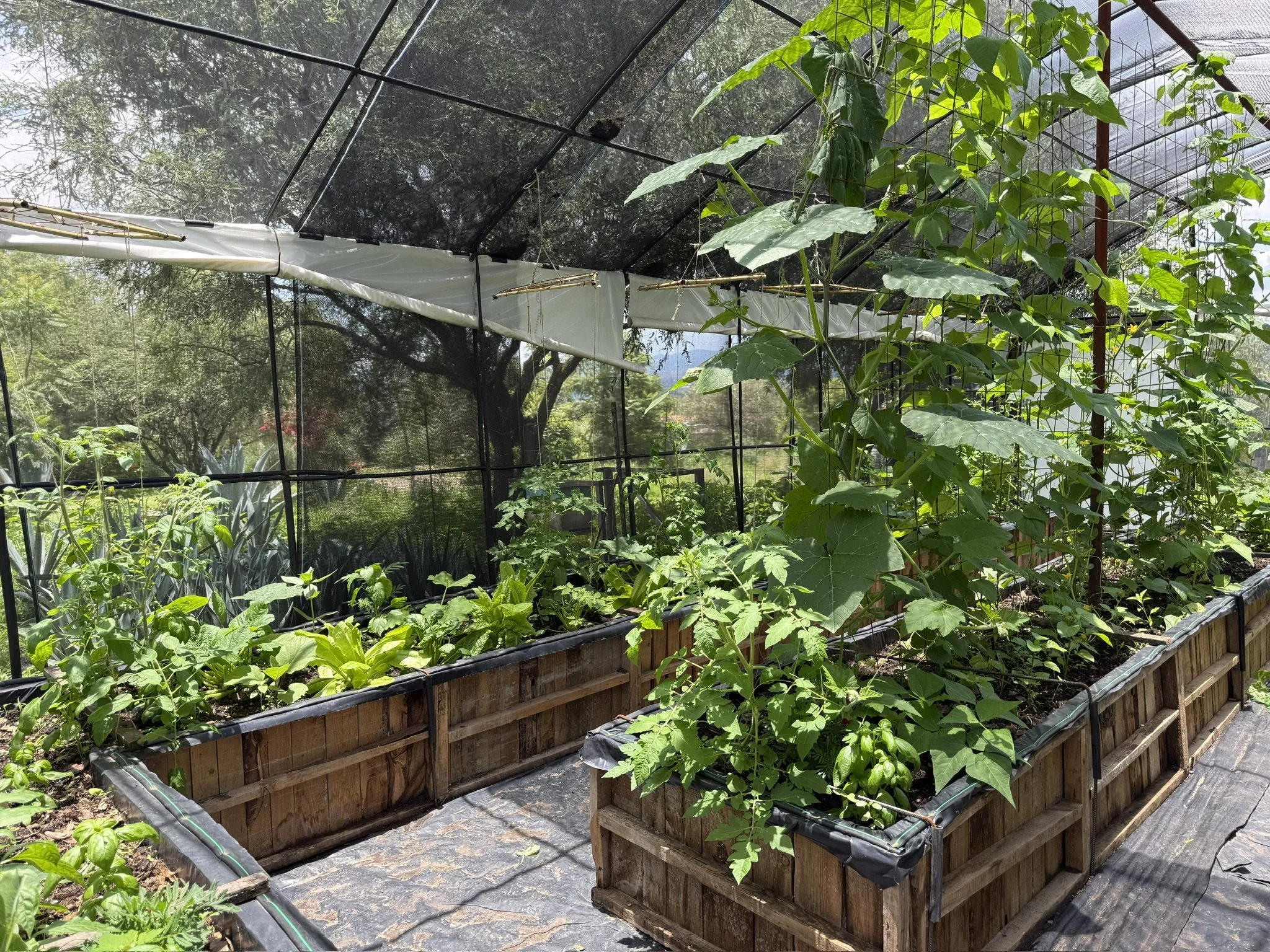
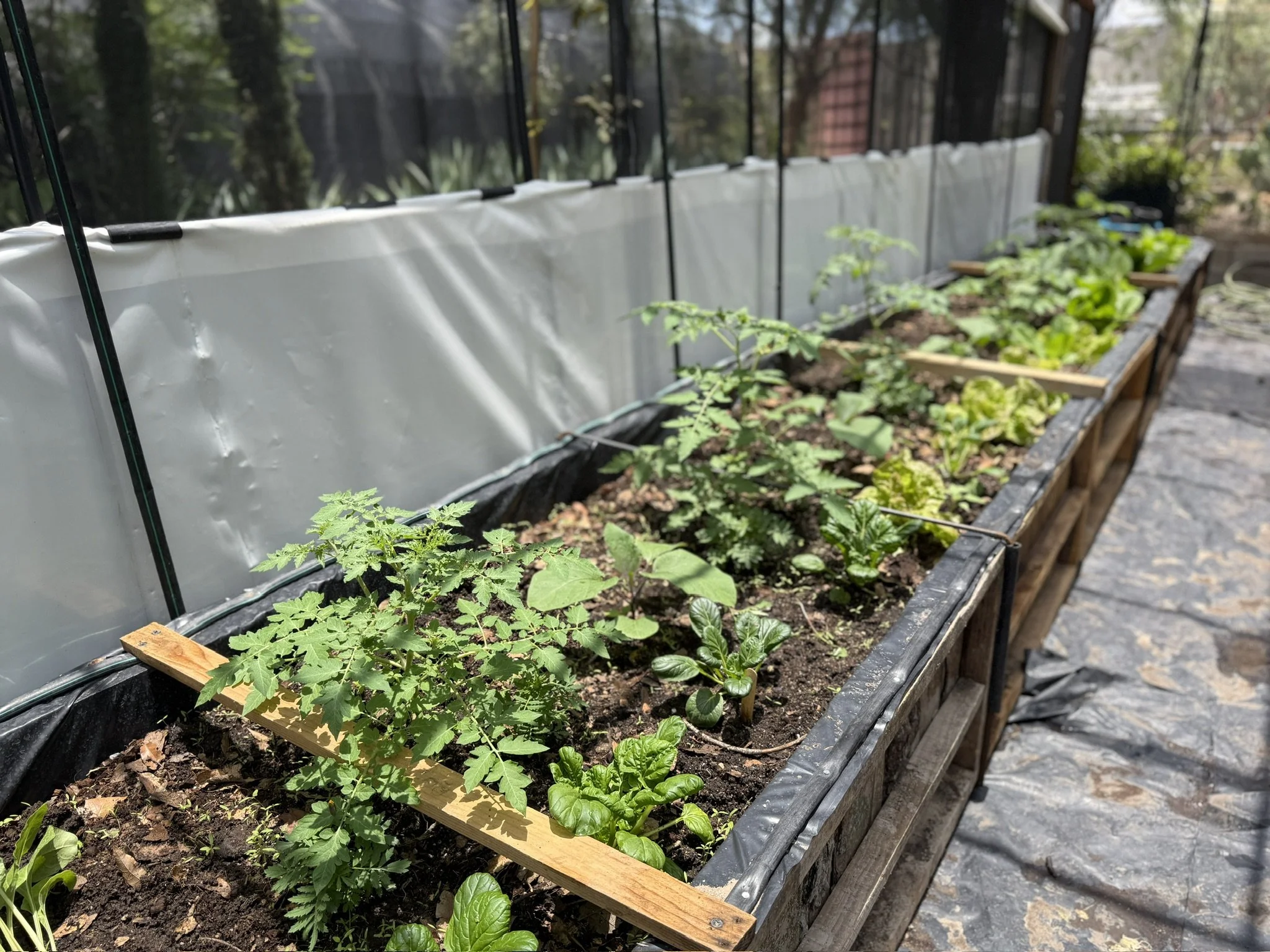
During the COVID 19 crisis, Tikkun transformed into a community food banks, growing fresh organic produce for 60 families in our surrounding villages.
As of 2025, groups of Monarch butterflies have begun to land at Tikkun during their annual migration to the forest of Michoacán - attracted to the Michoacán Pines we’ve planted.
Tikkun: Early Days
Tikkun: Today